The tennis bracelet, fitted to your wrist
A tennis bracelet is only as good as its fit and its settings. We explain length, construction and care, then help you choose one in Markham.
Get the length right before anything else
Measure your wrist, then add roughly half an inch to one inch for a tennis bracelet. A quarter inch gives a snug fit, half an inch a standard fit and three quarters a looser drape. The published length usually includes the clasp, so a 7 inch bracelet does not carry 7 inches of stones.
A tennis bracelet is a continuous line of stones, so it cannot hide a poor fit. Too tight and it pinches. Too loose and it spins, sliding the clasp onto the top of the wrist. Get it right and you stop noticing it, except when it catches the light.
Use a soft tape or a strip of paper, mark where it overlaps, and measure against a ruler. Measure the wrist bone, not the forearm. Retailers differ a little in their size charts, so we check the fit on your wrist.
Our bracelet size chart guide covers measuring at home. If a link bracelet turns out slightly long, links can often be removed, and our jewellery repair team can adjust it.
| Fit | Add to wrist | How it wears |
|---|---|---|
| Snug | About 1/4 inch | Sits close, rarely moves |
| Standard | About 1/2 inch | Moves a little, stays in place |
| Loose | About 3/4 inch to 1 inch | Drapes and slides, shows more movement |
What makes a tennis bracelet a tennis bracelet
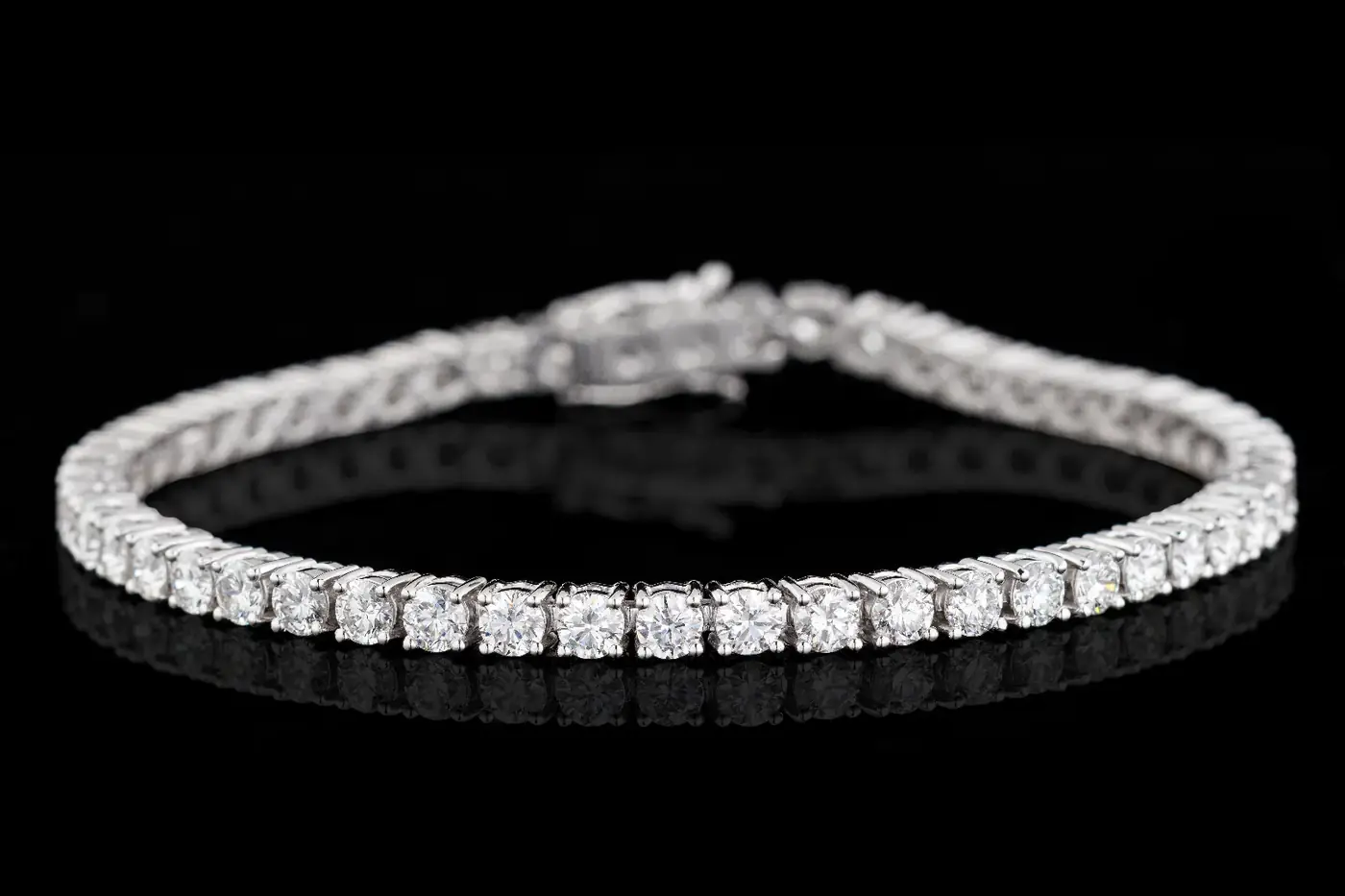
A tennis bracelet is a flexible line of identically sized stones, set closely so the bracelet reads as one band of light. It is usually secured with a box clasp and a safety catch. The name is often traced to a tennis champion who stopped a match in 1978 to look for hers.
The look comes from consistency. Every stone is the same size, each is set in its own small mount, and the links move together so the bracelet curves around the wrist.
Flexibility is a design feature. Each link is hinged to its neighbour, which is why a good tennis bracelet drapes rather than holds a fixed shape. A stiff one is a bangle, not a tennis bracelet.
Stones are most often round brilliant diamonds, but you will also see emerald cuts, ovals and mixed shapes. Our diamond shapes guide shows how each cut behaves in light.
The diamond tennis bracelet: settings and clasps
A diamond tennis bracelet is held by one of a few settings. Four-prong settings expose the most of each stone to light. Bezel settings wrap each diamond in metal for protection. Illusion settings hide the metal behind a plate to make each stone look larger. A box clasp with a safety catch is standard.
Four-prong settings show the diamond clearly, but the prongs can snag on knitwear. Bezel settings give the stone a smooth metal rim, which suits an active wrist.
Whichever you choose, ask how the stones are held and how the bracelet is secured. A loose prong or a weak catch is the common cause of a lost tennis bracelet.
That is also why a regular check matters. We repair bracelets and can look over the prongs and the clasp whenever you bring it in. A diamond tennis bracelet worn daily should be inspected from time to time, not only when something rattles.
| Setting | Light on the stone | Protection | Best for |
|---|---|---|---|
| Four-prong | Most | Moderate | Sparkle first |
| Bezel | Less | Most | Active wrists, daily wear |
| Illusion | Moderate | Moderate | Making smaller stones look larger |
| Basket | Good | Moderate | Raised look, easier cleaning |
A diamond bracelet that is not a tennis bracelet
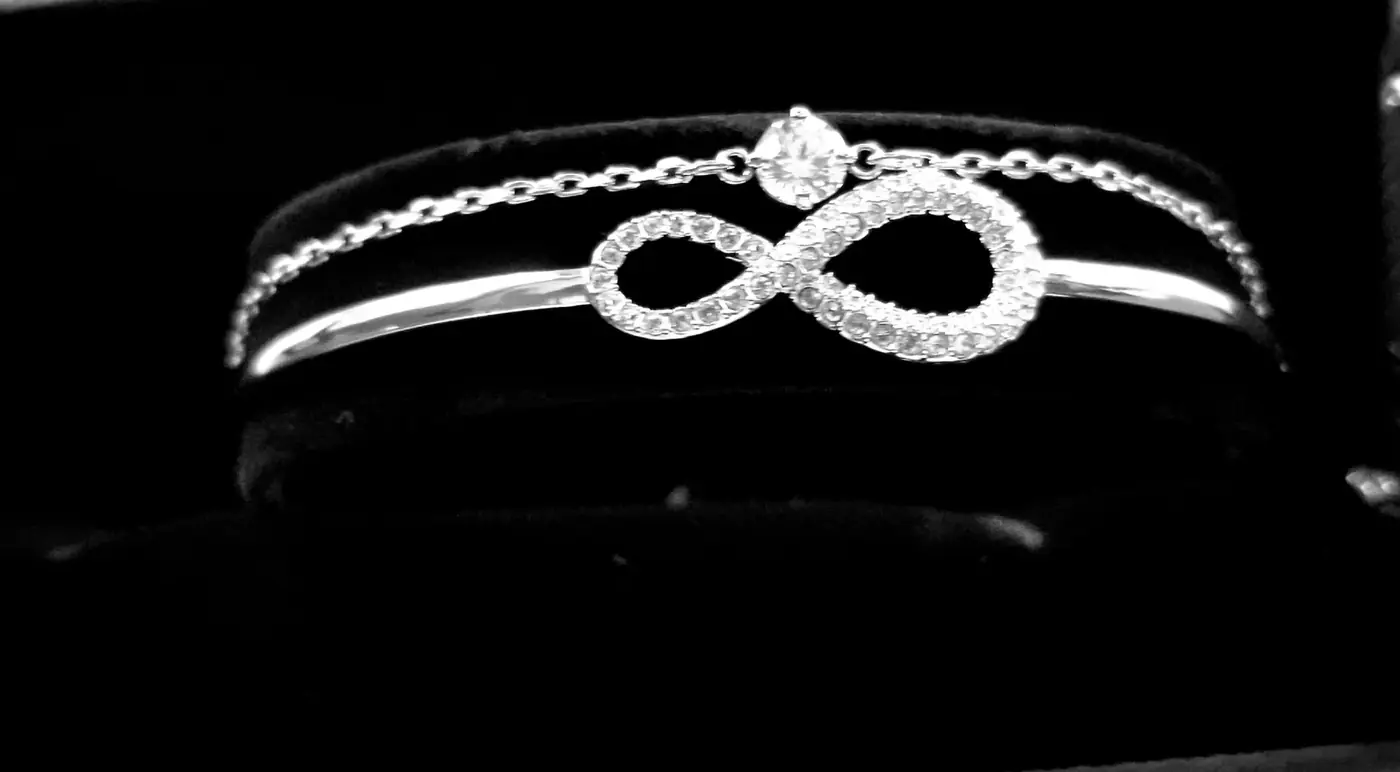
A diamond bracelet does not have to be a straight line of identical stones. Station bracelets space single diamonds along a chain. Bangles set stones into a rigid band. Cuffs and bolo styles sit differently on the wrist. Each suits a different taste, and each is worn in a different way.
A station bracelet is lighter than a tennis bracelet and lets the metal show. It layers well with a watch and suits those who find a full line too formal.
A diamond bangle holds its shape and feels substantial. It cannot be resized by adding links, so the fit must be right at the start.
Gold links without diamonds are also worth a look. See our gold bracelets page to compare, or the main diamond jewellery collection.
Choosing a womens diamond bracelet
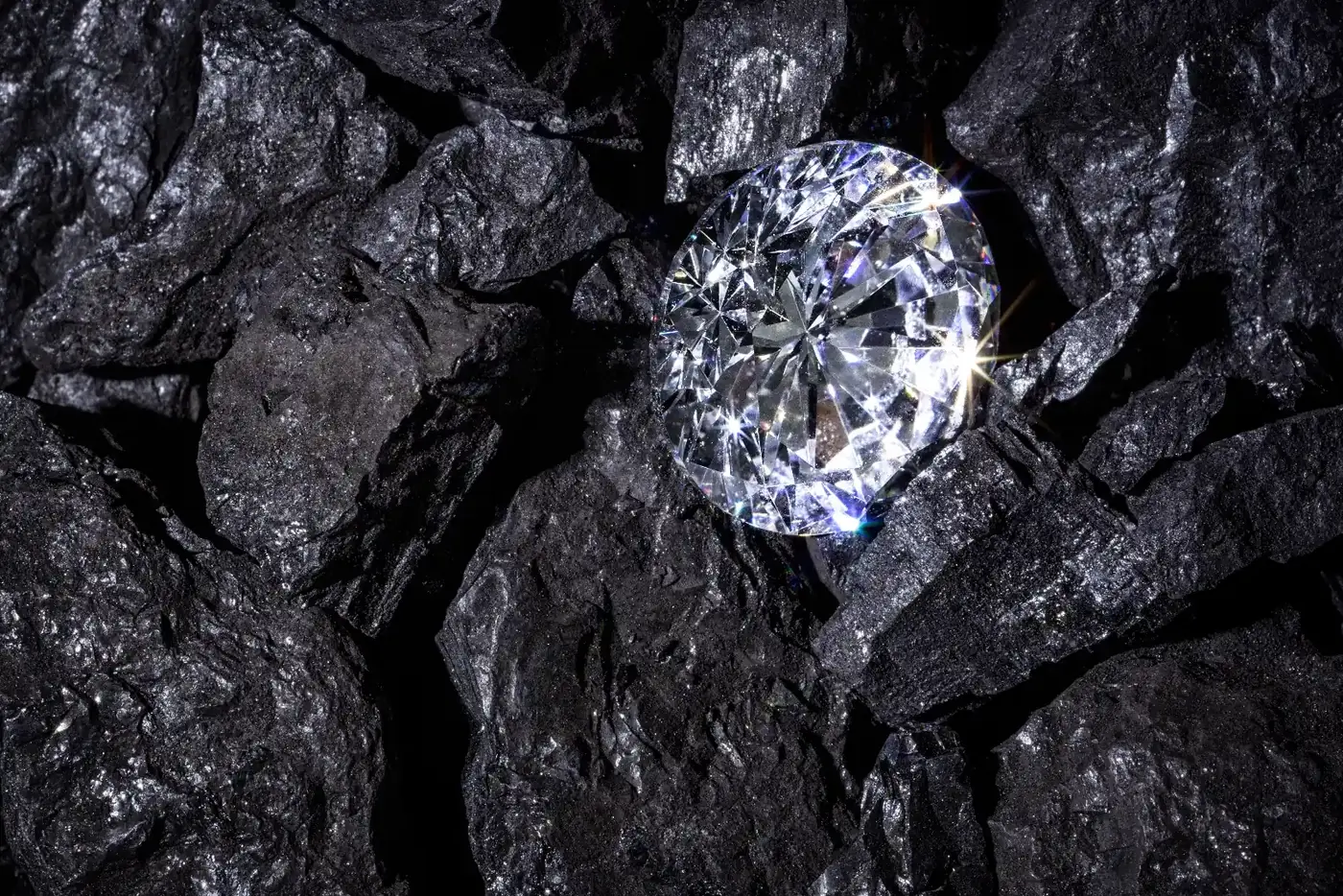
A womens diamond bracelet usually runs about 6.5 to 7.5 inches. The standard women's tennis bracelet length is 7 inches, while men's is typically 8 to 8.5. Wrist size, personal taste and how the bracelet will be worn decide the final length, so measure first.
Think about how you will wear it. If it sits beside a watch, a slimmer line of smaller stones looks balanced. If it is worn alone, a wider line with larger stones makes a statement.
Metal changes the mood. White gold or platinum reads cool and keeps attention on the diamonds. Yellow gold adds warmth and suits skin tones that look better in gold. Rose gold is softer.
We hand-pick diamonds with the highest-quality cuts. Natural and lab-grown stones are both available, and we explain quality against cost so you can decide with facts. If you want a design of your own, our custom jewellery page explains how that starts.
Natural or lab-grown stones for a tennis bracelet
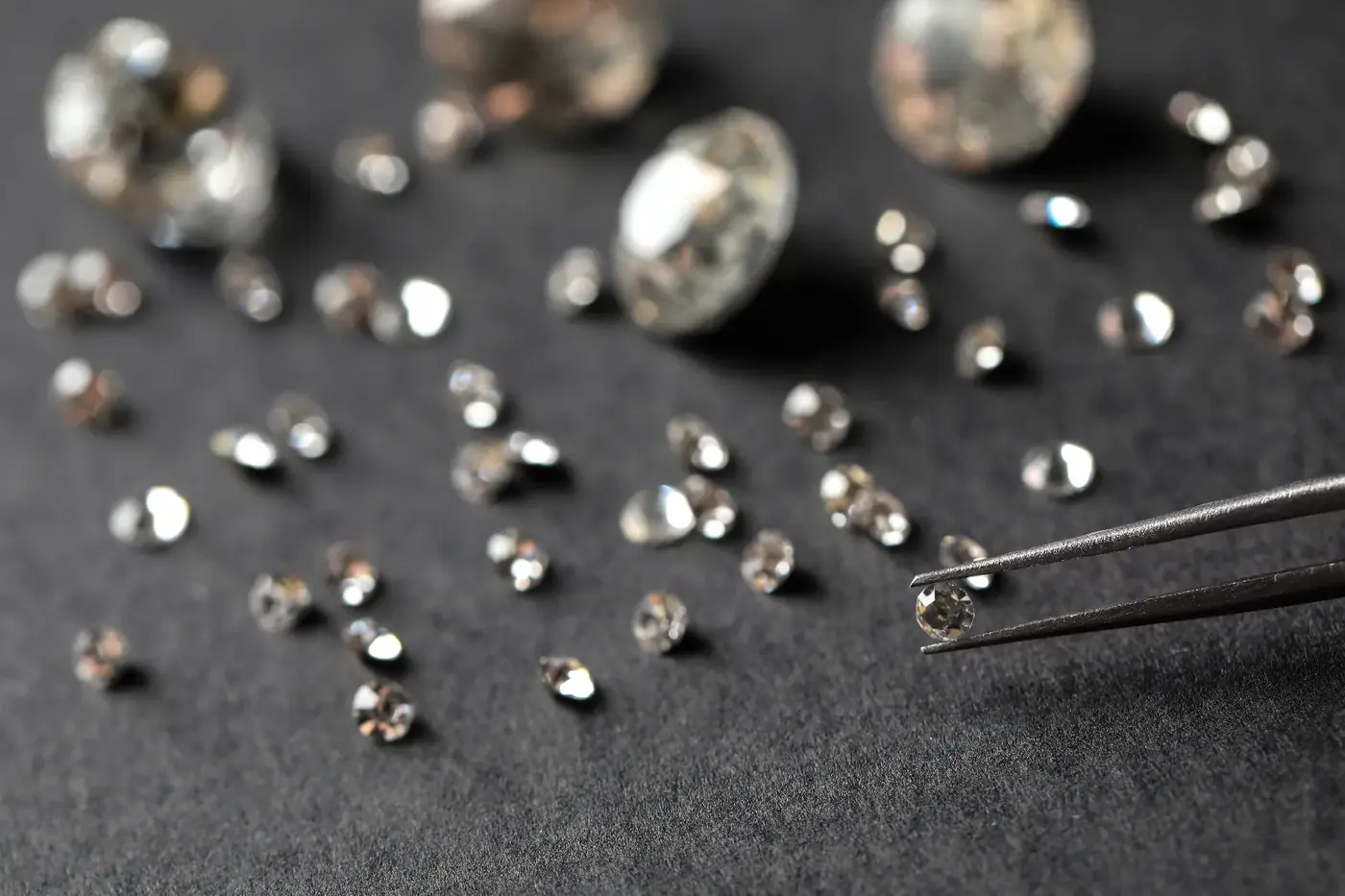
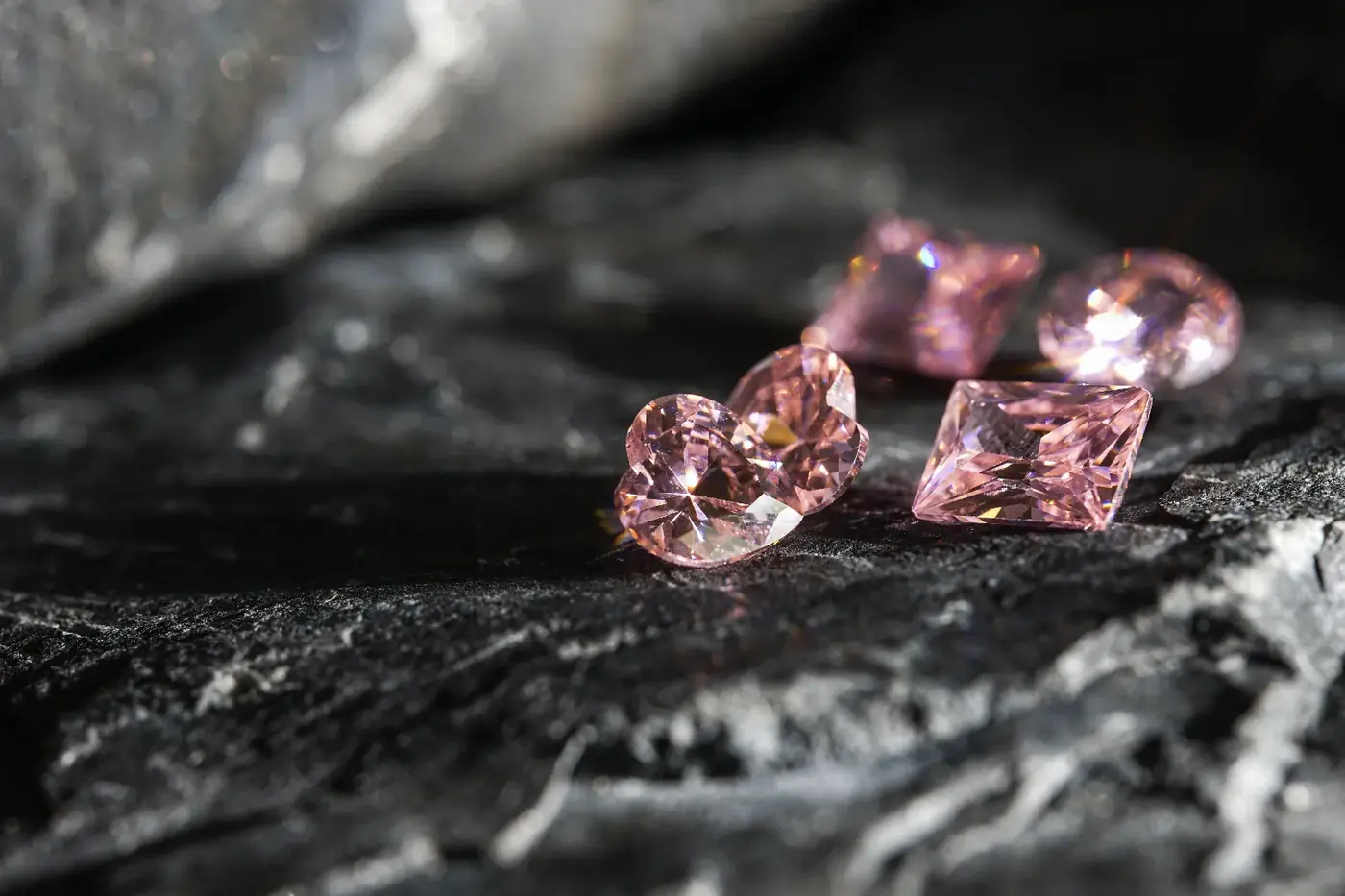
Both are real diamonds. GIA describes lab-grown diamonds as having nearly the same chemical, optical and physical properties as natural ones. The difference is origin. A tennis bracelet needs many matching stones, which is where the choice affects cost and matching. We supply both and explain the trade.
A tennis bracelet uses dozens of stones, so consistency of colour and cut matters more than on a single pendant. Matching many stones of similar quality is part of the craft.
The difference between the two is origin, not what you see. Our guide to natural versus lab-grown diamonds sets out the facts.
For the quality factors that apply to both, see the 4Cs guide. Colour and clarity grades matter less on tiny stones than the evenness across the line.
Looking after it, and valuing it
Wear a tennis bracelet with care. Take it off for sport, cleaning and heavy work, and clean it gently with mild soap and a soft brush. Check prongs and clasp regularly. We write jewellery appraisals, which record what the piece is and what it is worth for insurance.
A tennis bracelet takes knocks. Every stone is exposed along the wrist, so it brushes desks, doors and sleeves. Small habits protect it, so it can be worn for decades and handed down.
If it snags or a stone looks loose, stop wearing it and bring it in. A prong tightened early costs less than a diamond replaced.
An appraisal is a written description with a value, useful for insurance. Read about our jewellery appraisals service, and see our guide to cleaning jewellery at home.
A tennis bracelet Toronto jeweller in Markham
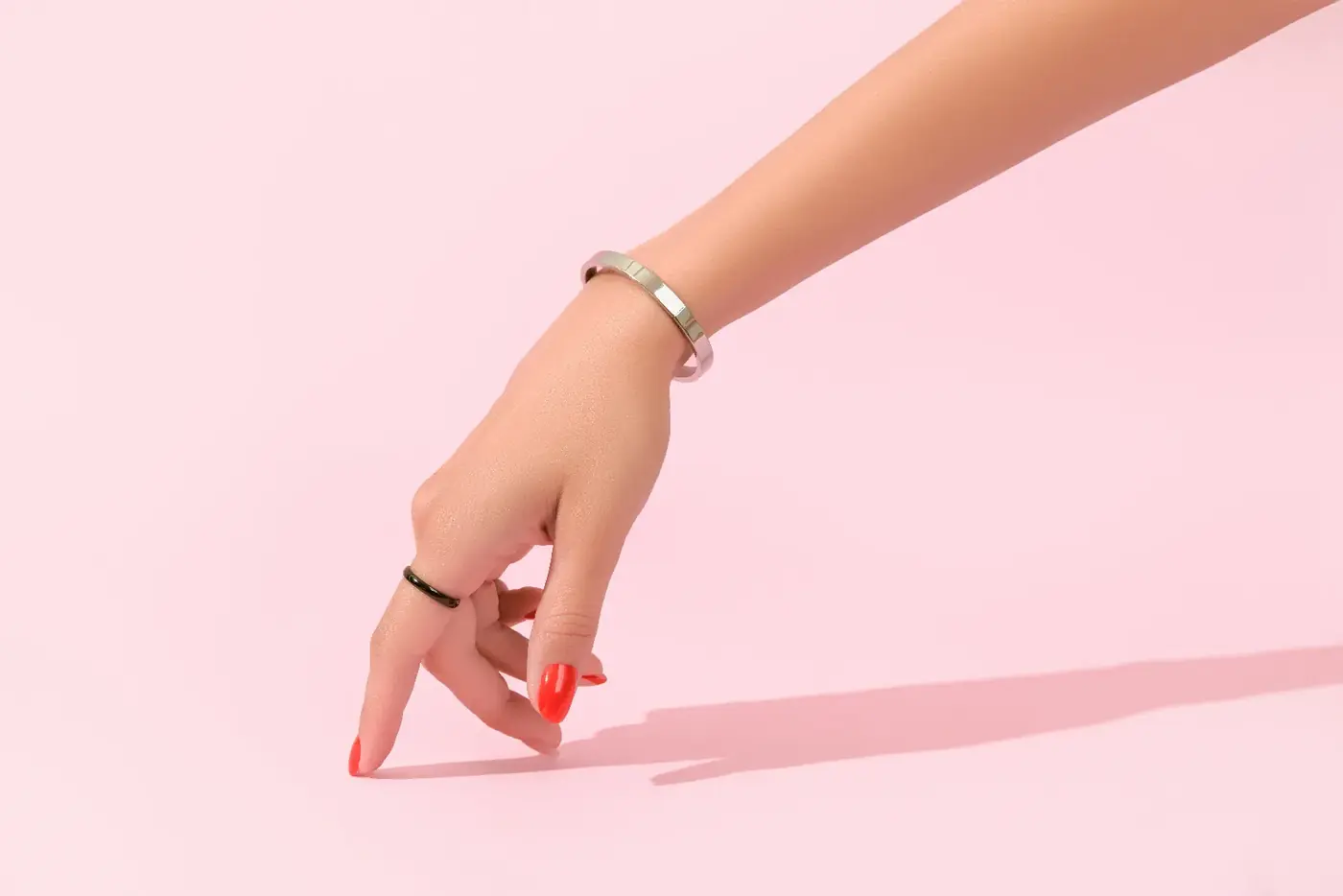
Lucio's Gold is a family-owned jeweller at 7800 Woodbine Ave in Markham, serving Toronto and the wider GTA for more than 30 years. Seeing a tennis bracelet on your own wrist beats any chart, so come and try one on. We encourage you to shop around and compare before deciding.
Toronto shoppers reach us along Highway 7 and Woodbine, near the 404 and 407. See our page for jewellery in Toronto for directions and the drive.
Tell us the wrist, the look and the budget direction. We show what suits and explain what drives cost, so you choose where it matters, with no pressure.
Call (905) 475-1702 or visit 7800 Woodbine Ave to try one on. Other diamond pieces, such as diamond necklaces and diamond earrings, can be seen on the same visit.
Questions, answered
What size tennis bracelet do I need?
Measure your wrist and add about half an inch for a standard fit. Add a quarter inch for snug and up to an inch for loose. Women's tennis bracelets are commonly 7 inches and men's 8 to 8.5 inches. The listed length usually includes the clasp, so confirm what it means.
What is a diamond tennis bracelet?
A diamond tennis bracelet is a flexible line of identical diamonds, each set in its own mount and joined by hinged links. It closes with a box clasp and a safety catch. Stones are usually round brilliants, though other shapes exist. The continuous line of light is its signature.
How is a tennis bracelet different from a diamond bracelet?
A tennis bracelet is one kind of diamond bracelet: a continuous, flexible line of matching stones. A diamond bracelet can also be a station bracelet with spaced stones, a bangle or a cuff. All are set with diamonds, but they drape, fit and layer differently.
Is a womens diamond bracelet different from a mens one?
The construction is the same, but the length and scale differ. Women's bracelets typically run about 7 inches, men's 8 to 8.5. Men's designs often use larger stones and sturdier links. Choose by wrist size and the look you want, not by label.
Can a tennis bracelet be made shorter or longer?
Often, yes, if it is made of links. Links can usually be removed or added to change the length by half an inch to an inch. Fixed or fused designs cannot. We repair bracelets, so bring it in and we will say what is possible.
Are lab-grown diamonds used in tennis bracelets?
Yes. Lab-grown diamonds are real diamonds with nearly the same chemical, optical and physical properties as natural ones, according to GIA. We supply both natural and lab-grown stones and explain how each fits your budget and taste. Discuss it with us before choosing.
Do you sell a tennis bracelet Toronto customers can try on?
Yes. We are in Markham, a short drive from Toronto, and we like customers to try a bracelet on their own wrist. Call (905) 475-1702 before you come, so we can plan the visit. We encourage you to compare elsewhere too.
Book a private consultation
Bring your idea for the tennis bracelet, fitted to your wrist to the counter at 7800 Woodbine Ave, call (905) 475-1702, or start here and we will reply the same business day.
7800 Woodbine Ave, Markham, ON L3R 2N7
(905) 475-1702