Lab grown diamonds vs natural, without the sales pitch
Lab grown diamonds vs natural is the question most ring buyers now ask. Both are real diamonds, and the real differences are origin, price behaviour and disclosure. We explain them plainly, with no pressure either way.
Are lab grown diamonds real?
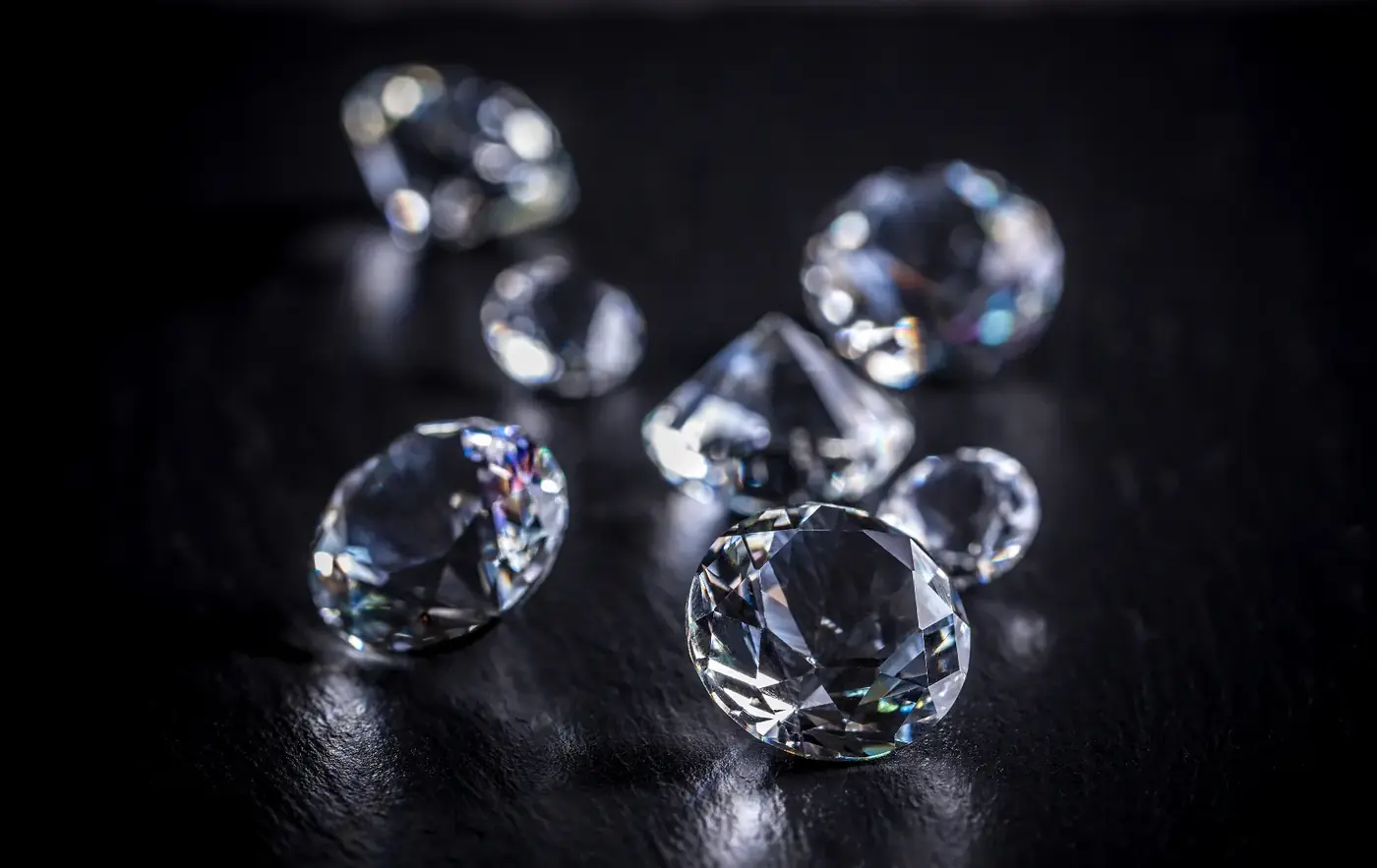
Yes. Lab grown diamonds are real diamonds: the same carbon, the same crystal structure and the same hardness as natural ones. GIA describes them as having essentially the same chemical composition and crystal structure. What differs is where they came from, a laboratory or the earth, and that origin is why disclosure rules exist.
Real does not mean identical in every respect. A natural diamond formed over a very long time deep in the earth, and some buyers love knowing that. A lab grown diamond is made in a machine in a matter of weeks.
So the honest answer to are lab grown diamonds real is yes for the material and no for the origin. Neither of those facts makes one stone a fake.
How each kind of diamond is made
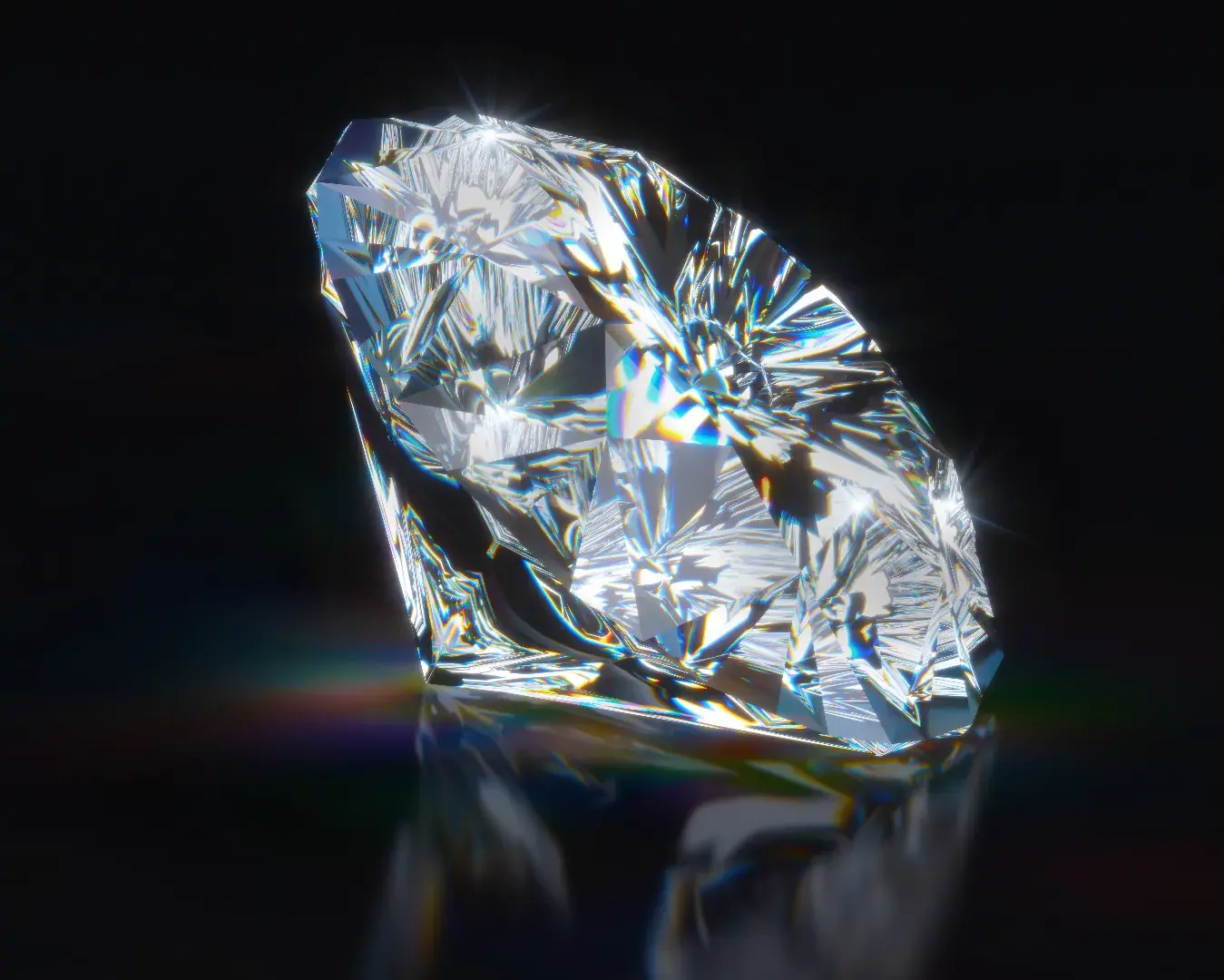
Natural diamonds crystallise from carbon under heat and pressure in the earth and are brought to the surface by volcanic activity. Lab grown diamonds are made by two main methods. HPHT copies the pressure and heat of the earth. CVD builds a diamond from carbon-bearing gas in a vacuum chamber, layer by layer.
In CVD, carbon-bearing gases break down in a chamber and the carbon settles onto a thin diamond seed plate. In HPHT, a small seed sits in a press that recreates the conditions of natural growth.
After growth, many lab grown stones are cut and polished with the same equipment as natural ones. That is why a finished stone can be graded for cut, colour, clarity and carat weight in the same way. So when you compare lab grown diamonds vs natural ones on paper, the grading language is the same.
Natural vs lab grown diamonds side by side
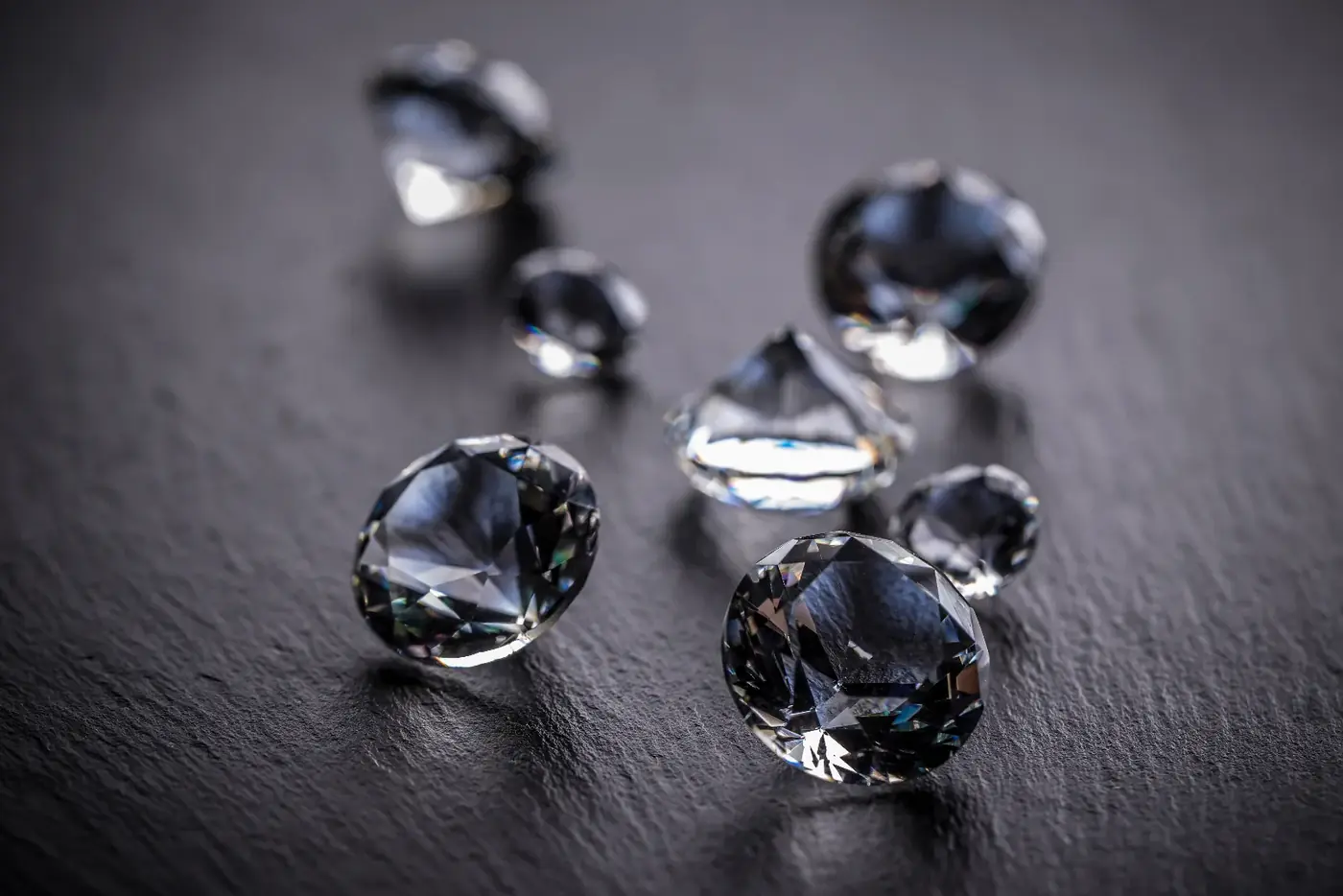
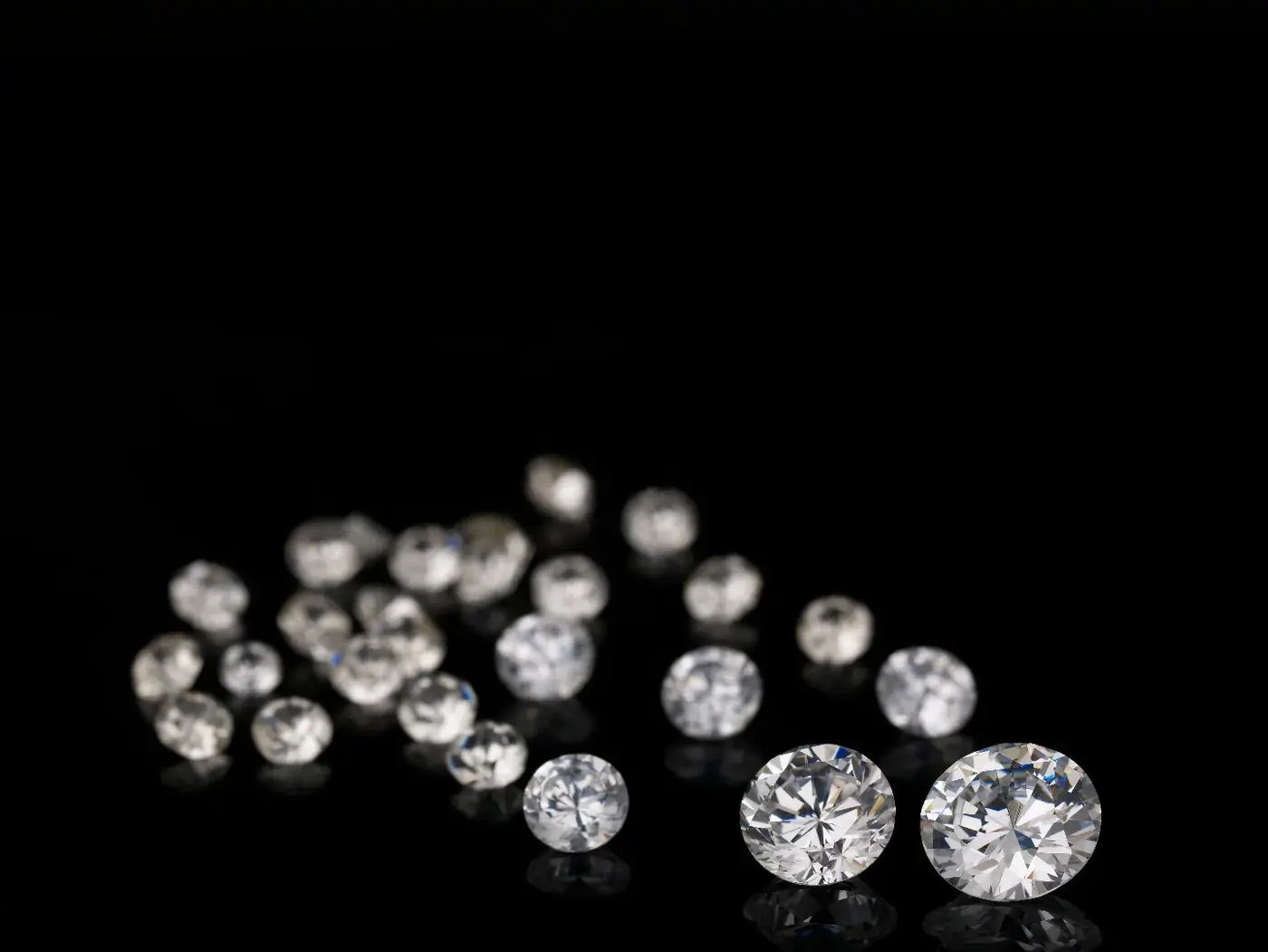
The table sets out what is the same and what differs. Hardness, brilliance and the 4Cs apply to both. Origin, rarity, price behaviour and the wording used to sell them are where they part ways. Use it as a checklist when you compare stones, and ask the seller to confirm each point in writing.
A table cannot decide for you. It can show you which rows matter to your own priorities, whether those are origin, budget or resale. There is no wrong answer, only the one that feels right to you.
| Point | Natural diamond | Lab grown diamond |
|---|---|---|
| Material | Carbon, crystallised in the earth | Carbon, grown in a machine, same crystal structure |
| Hardness | 10 on the Mohs scale | 10 on the Mohs scale |
| Graded on | Cut, colour, clarity, carat weight | Cut, colour, clarity, carat weight |
| Origin | Mined | Made in a laboratory |
| Identification | Needs lab equipment to separate from lab grown | Needs lab equipment to separate from natural |
| Disclosure | Sold as diamond | Must be clearly described as lab grown or laboratory created |
| Resale | Established second-hand market | Thinner and less settled market |
Can anyone tell the difference by eye?
No. Lab grown and natural diamonds look the same to the eye and under a loupe. GIA notes that traditional gemmological observations and old diamond testers cannot separate them. Laboratories use spectroscopy and other advanced instruments. That is why you should rely on documentation and honest disclosure, not on someone's claim to see the difference.
Growth patterns and inclusions can offer clues to a trained lab. HPHT stones often contain dark metallic inclusions, and CVD stones often contain dark graphitic ones. These need magnification and expertise.
A cheap diamond tester will not settle it, because both types conduct heat in the same way. If origin matters to you, ask for the report and the wording on the invoice.
Lab grown diamond resale value, plainly
Lab grown diamond resale value is the weakest point of the category. Natural diamonds have an established second-hand market, though they rarely return what you paid. Lab grown stones can be produced in volume, which has pushed prices down and makes their resale market thinner. Ask any seller about buy-back or trade-in terms in writing before you pay.
We will not quote figures here, because prices move and we do not want to guess. The safe rule is to treat any diamond as something you buy to wear, not as an investment.
If long-term value is part of your decision, ask how the seller handles a later trade-in, and compare answers from more than one jeweller. We encourage customers to shop around, and we are glad to talk through quality versus cost, for natural and lab-grown stones alike.
Whichever you choose, you will wear it for decades, so keep the original invoice and any grading report in a safe place, because they matter if you ever sell.
Buy a diamond for the life you will wear it in, not for the day you might sell it.
What the rules say about calling a stone lab grown
A seller must make the origin of a lab grown diamond clear. In the United States, the Federal Trade Commission's Jewelry Guides say a lab grown stone should carry a clear qualifier such as laboratory grown or laboratory created. The 2018 revision removed the word natural from the definition of diamond. In Canada, ask for the wording to be on your invoice.
The Federal Trade Commission's guidance applies to the United States, not Canada, but it reflects the standard many jewellers follow. The Guides ask that the qualifier be clear and conspicuous.
The FTC sent warning letters in 2019 to companies whose online ads did not make that disclosure clear enough. The point for you is simple: if an advert says only diamond, ask what kind.
Moissanite vs diamond: a different stone altogether
Moissanite is not a diamond, whether natural or lab grown. It is silicon carbide, a separate gem. It is slightly softer, about 9.25 on the Mohs scale against 10 for diamond. It shows more rainbow flashes because of higher dispersion, and it is doubly refractive, which a trained jeweller can see under magnification.
When people search moissanite vs diamond, they usually want a lower price and a similar look. Moissanite delivers a bright stone, but its sparkle is different, with more colourful flashes in direct light, almost like a disco ball next to a diamond's crisp white flash.
The table sets the two stones next to each other. Figures come from retailer and trade sources, so treat them as typical values.
It is also a different material, so the 4Cs system does not apply to it in the same way. If you are weighing it, look at it next to a diamond in daylight and decide with your own eyes.
To compare the look of different stones and metals in a design, try our 3D ring creator and bring your ideas to a conversation.
| Property | Diamond | Moissanite |
|---|---|---|
| Material | Carbon | Silicon carbide |
| Mohs hardness | 10 | About 9.25 |
| Refractive index | About 2.42 | About 2.65 to 2.69 |
| Dispersion (fire) | About 0.044 | About 0.104 |
| Optical character | Singly refractive | Doubly refractive |
| Graded on the 4Cs | Yes | Not in the same way |
Choosing between them with confidence
Choose by your own priorities. If origin and an established resale market matter, natural stones suit you. If you want a larger stone for the money and accept a thinner resale market, lab grown is a reasonable choice. We supply both. Either way, insist on clear wording on the invoice.
Ask five questions of any seller. Is the stone natural or lab grown, and which laboratory graded it? What does the invoice say about origin? What happens if you want to sell or trade it, and can you see it in daylight?
Lucio's Gold is a family-owned jeweller in Markham with more than 30 years serving the GTA. We supply both natural and lab-grown diamonds, in rings and loose, and we hand-pick stones for the quality of their cut. See our lab-grown diamond rings page, browse loose diamonds, or call (905) 475-1702. Come and see both side by side, and ask us anything.
For the grading side of the decision, our diamond 4Cs guide covers cut, colour, clarity and carat weight. Our diamond shapes guide helps with the shape choice.
If you already own a stone and want it described on paper, we write jewellery appraisals.
Questions, answered
Are lab grown diamonds real diamonds?
Yes. Lab grown diamonds are real diamonds with essentially the same chemical composition, crystal structure and hardness as natural ones. The difference is origin: one is made in a laboratory, the other formed in the earth. Because the two look alike, the law and good practice require sellers to state clearly when a stone is lab grown.
Can you tell a lab grown diamond from a natural one?
Not by eye, and not with a basic diamond tester. Separating them takes laboratory instruments such as spectroscopy, and sometimes magnification to study inclusions and growth patterns. That is why you should ask for a laboratory report and for the origin to be written on your invoice, rather than trusting anyone's visual judgement.
Do lab grown diamonds hold their value?
Generally less reliably than natural diamonds. Lab grown stones can be made in volume, which has pushed prices down and left a thinner resale market. No diamond should be treated as an investment. If resale matters to you, ask the seller about buy-back or trade-in terms and get any answer in writing before you buy.
Is moissanite the same as a diamond?
No. Moissanite is silicon carbide, a different gemstone. It is slightly softer than diamond, about 9.25 on the Mohs scale, and it shows more coloured flashes of light. A trained jeweller can tell it from diamond because it is doubly refractive. It can be a good choice if you like the look and want to spend less.
Does a lab grown diamond come with a grading report?
It can. Laboratories issue separate reports for lab grown diamonds, and the report states clearly that the stone is laboratory grown. Not every stone has a report, so ask whether one exists and which laboratory issued it. We supply lab-grown and natural diamonds and write jewellery appraisals for stones you already own.
Which is better for an engagement ring, natural or lab grown?
Neither is better in every case. Natural suits buyers who value origin and an established resale market. Lab grown suits buyers who want more size or quality for the same budget and accept a thinner resale market. Both are graded the same way, so judge each stone on its cut, colour, clarity and weight, and see it in person.
What is the main difference between natural vs lab grown diamonds?
The main difference is origin. Natural diamonds formed in the earth, and lab grown diamonds are made in a machine. The material is the same carbon, and both are graded on cut, colour, clarity and carat weight. Price, resale and the wording used to sell them differ. Ask for the origin on the invoice.
Book a private consultation
Questions about lab grown diamonds vs natural, without the sales pitch? Send the form, ring (905) 475-1702, or drop by 7800 Woodbine Ave. A real person writes back, usually within the business day.
7800 Woodbine Ave, Markham, ON L3R 2N7
(905) 475-1702