
Bracelet size chart: measure once, fit properly
This bracelet size chart is a measuring and fitting guide. Take one honest wrist measurement, read across to a length, and learn how bangles, links and tennis bracelets each need a different allowance, so the bracelet feels right from the first day.
How to measure wrist size without guessing
To measure wrist size, wrap a strip of paper or soft tape around the narrow part of the wrist, just past the bone, and mark the overlap. Lay the strip on a ruler. Take the reading late in the day, when wrists run slightly larger, and write down the exact figure.
Paper and string are more accurate than a stiff builder's tape, because they curve with the skin. Keep the strip flat, with no twist.
Repeat the measurement on both wrists. Most people have one slightly larger wrist, and you should size to the one that will wear the bracelet.
A bracelet you already own can stand in for a tape. Lay it flat, closed, and measure end to end including the clasp.
- Use paper, string or a soft tape.
- Sit with your hand relaxed, palm up.
- Mark the overlap and measure against a ruler.
- Note the figure in both centimetres and inches.
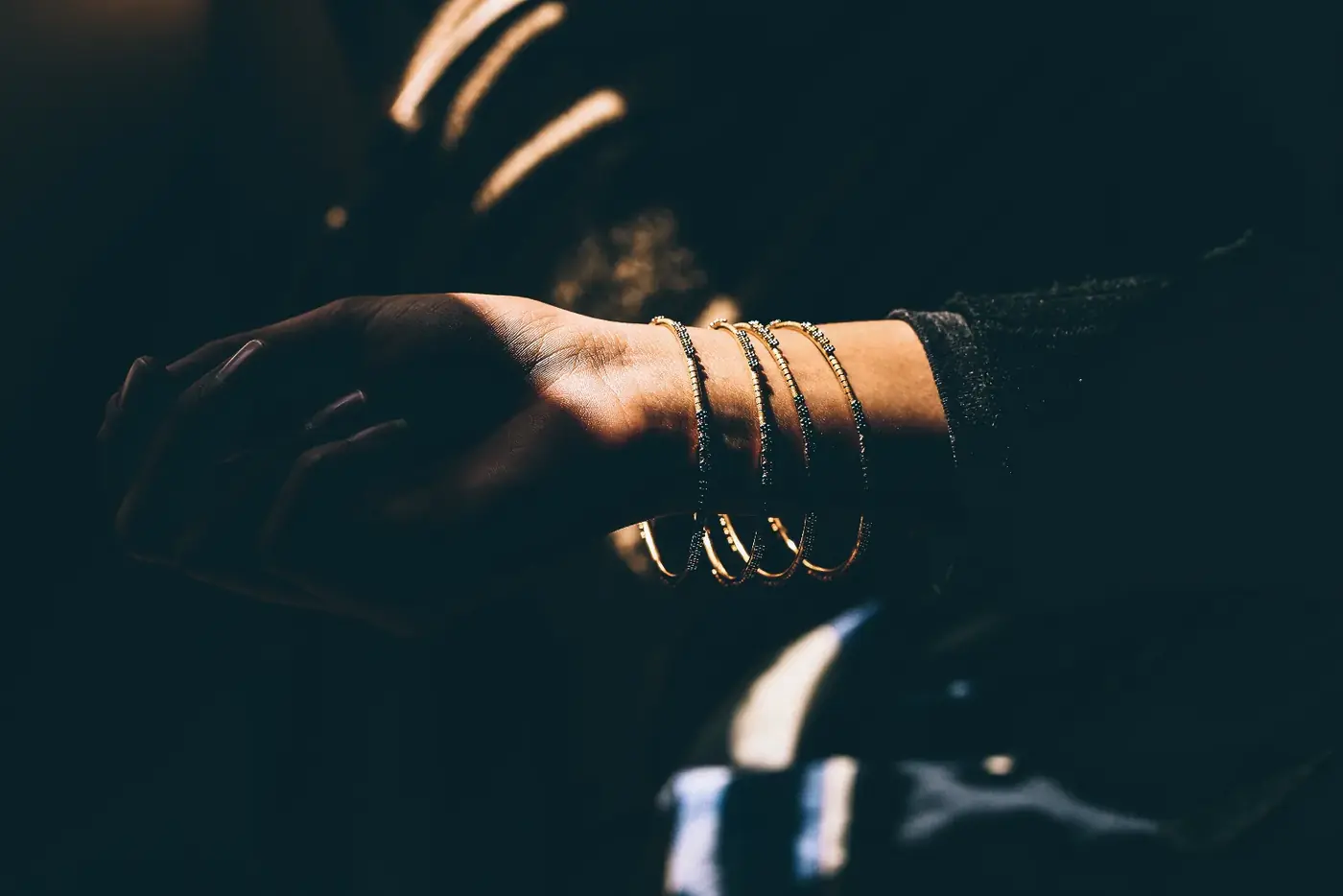
The bracelet size chart by wrist measurement
Read your wrist figure down the left column, then choose the fit across the row. A snug bracelet adds a quarter inch, a standard fit adds half an inch, and a loose drape adds three quarters. Jewellery commonly comes in half inch steps, so round to the nearest length.
Charts are a starting point, not a verdict. A heavy chain takes up more room than a fine one, so thick styles belong in the loose column.
| Wrist | Snug | Standard | Loose |
|---|---|---|---|
| 5.5 in (14 cm) | 5.75 in | 6 in | 6.25 in |
| 6 in (15 cm) | 6.25 in | 6.5 in | 6.75 in |
| 6.5 in (16.5 cm) | 6.75 in | 7 in | 7.25 in |
| 7 in (18 cm) | 7.25 in | 7.5 in | 7.75 in |
| 7.5 in (19 cm) | 7.75 in | 8 in | 8.25 in |
| 8 in (20 cm) | 8.25 in | 8.5 in | 8.75 in |
Five measuring mistakes that throw the number off
Most sizing errors come from measuring in the wrong place, pulling the tape too tight or measuring a cold, early morning wrist. Avoid these five slips and the number you take will match how the bracelet actually wears. Each one is easy to spot and quick to correct.
Measuring at the forearm instead of just past the bone gives a figure that is too large. Measuring over a sleeve or watch does the same.
Pulling the strip tight gives a figure that is too small. The strip should touch the skin evenly, without denting it.
Forgetting the allowance is the most common mistake of all. A wrist figure is not a bracelet length, and the chart exists to bridge that gap.
Measuring once is a gamble. Two readings that agree are worth far more than one that feels right, and they spare you the small letdown of a bracelet that slips.
A wrist figure is not a bracelet length: add the allowance.
Bangle or link: two ways of measuring
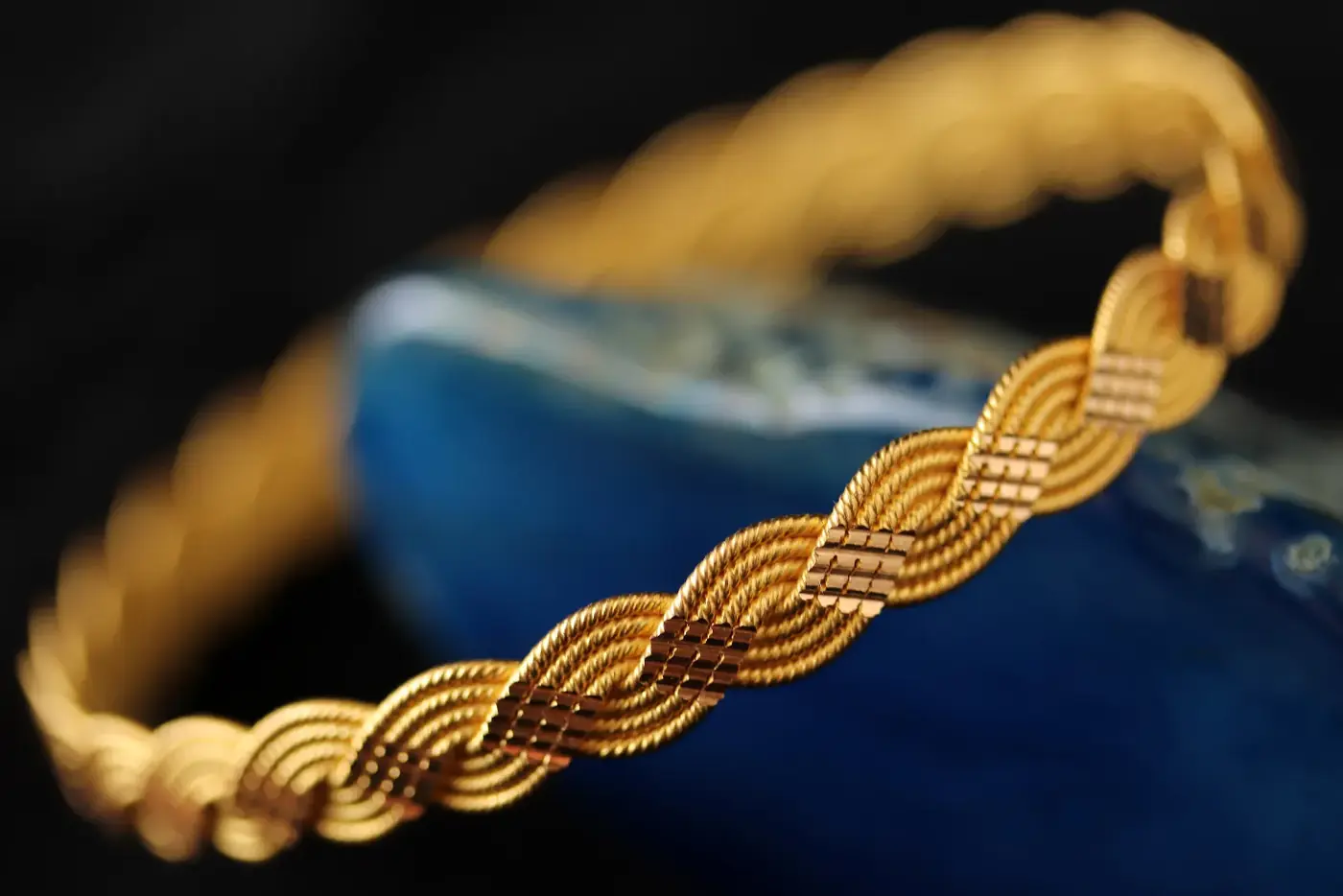
A link or chain bracelet is sized by length around the wrist, while a rigid bangle is sized by inside diameter, because it must slide over the hand. That is why gold bangle size is taken from the knuckles, not the wrist, and why a good wrist fit can still be a poor bangle fit.
To size a bangle, tuck your thumb against your palm and measure around the widest part of the hand. Divide that figure by pi, about 3.14, to find the diameter the bangle must clear.
Typical inside diameters run from roughly 57 mm to 70 mm. Oval and hinged bangles behave differently from round ones, so try the exact shape you like.
If you want to see the finished pieces, our gold bracelets page is the place to browse.
| Bracelet type | Measure | Fit target |
|---|---|---|
| Link or chain | Wrist circumference | Wrist plus allowance |
| Rigid bangle | Hand across the knuckles | Inside diameter just larger |
| Hinged bangle | Wrist circumference | Snug, opens to fit on |
| Cuff | Wrist and opening | Gentle grip, adjustable |
What is a tennis bracelet, and why does fit matter more?
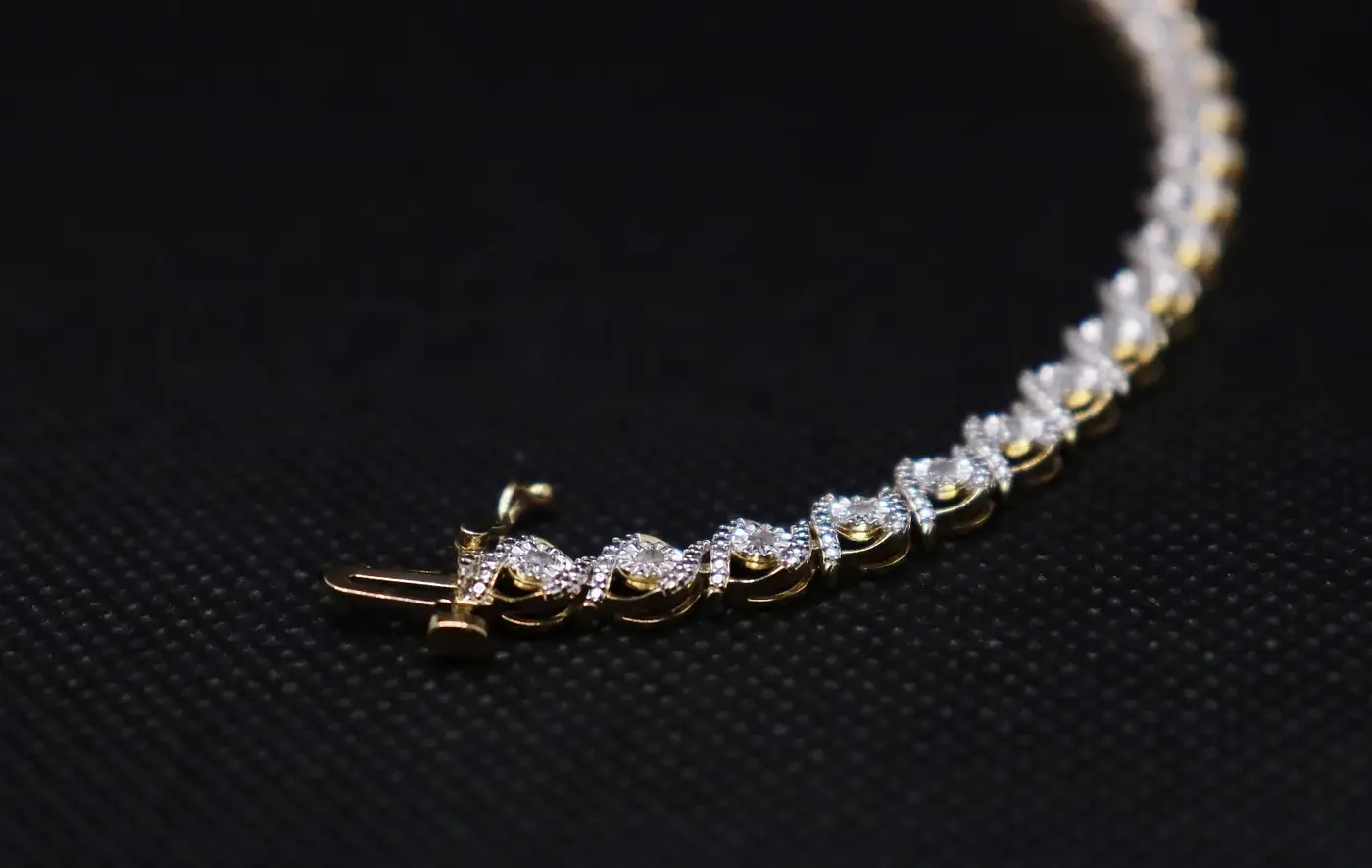
A tennis bracelet is a thin, flexible line of matching stones, usually diamonds, set in one unbroken row. The name stuck after tennis player Chris Evert lost one mid match in 1987. Because the links do not stretch, a tennis bracelet is less forgiving to size than an ordinary chain.
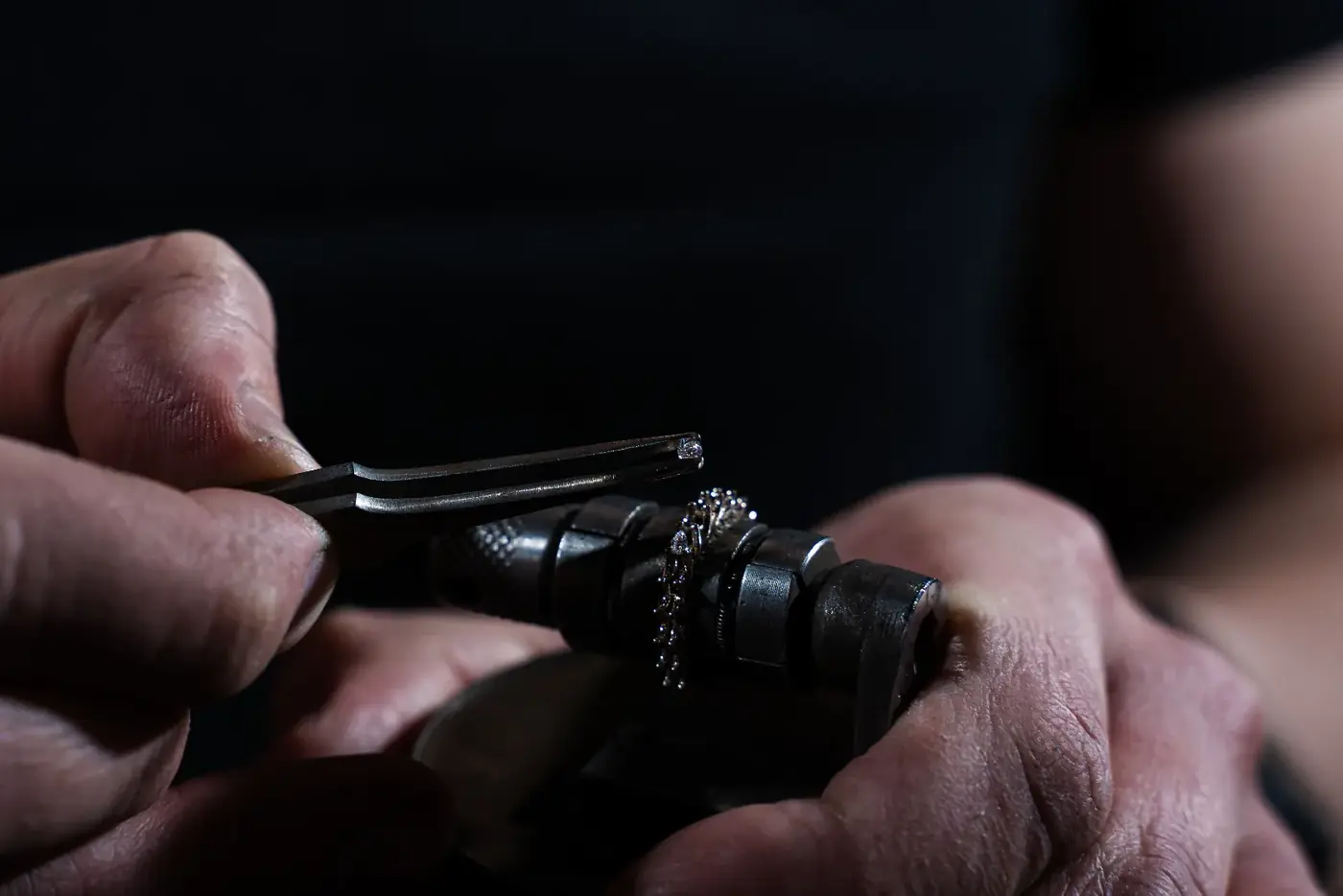
Each stone is set separately and the links hinge around the wrist. A few millimetres too long, and the line spins and the clasp ends up on top.
To compare styles after you have your number, see our tennis bracelets page.
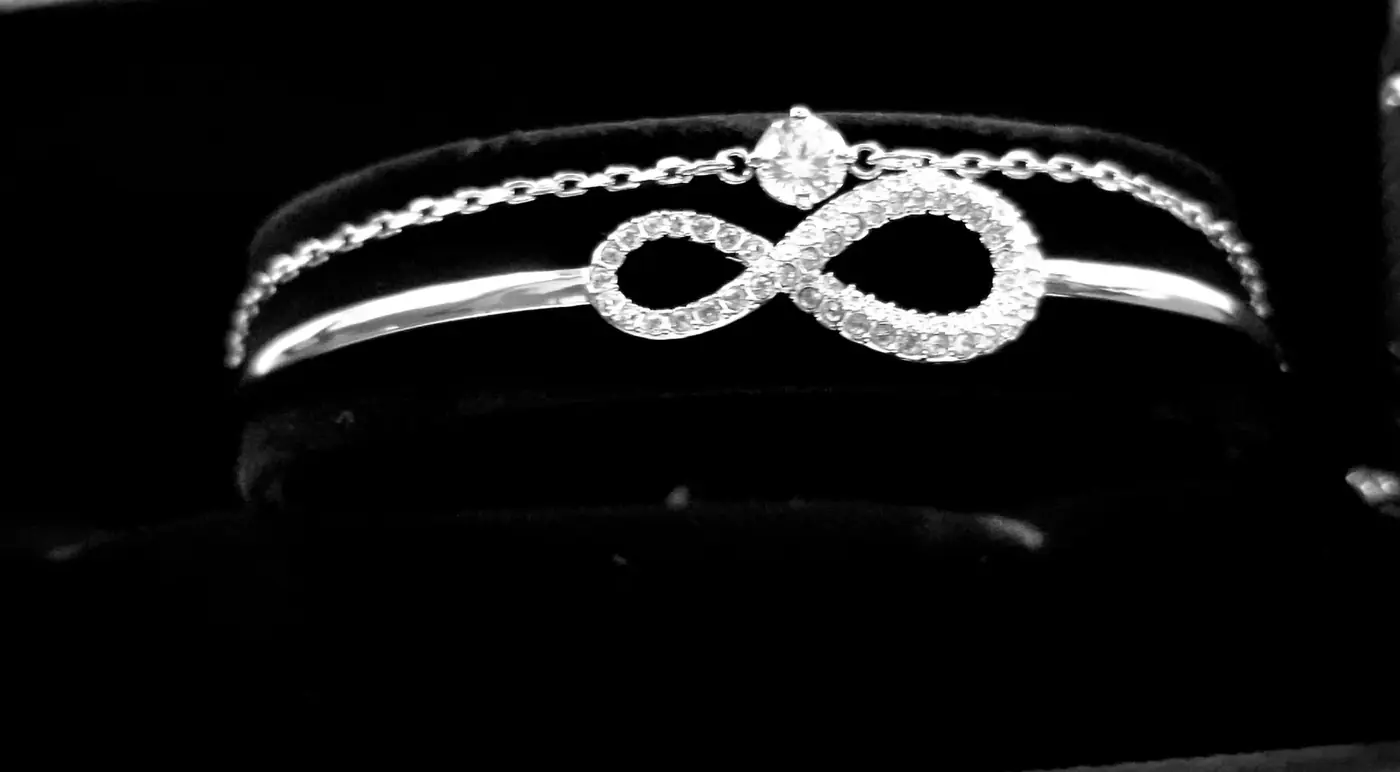
How a tennis bracelet should sit
Tennis bracelet size is often 6.5 to 7 inches for women and 7.5 to 8 inches for men, but let your wrist decide. The bracelet should rest just behind the wrist bone, move a little when you shake your hand, and leave space for one fingertip underneath.
Too tight, and the stones press into the skin and the line cannot curve. Too loose, and it rolls and can slip over the hand.
Wear the bracelet through a few ordinary movements before settling. Type, reach, wave and make a fist. It should stay put through all of them.
A watch changes the answer. If you will wear both on one arm, measure with the watch on and allow a little more length.
Sizing differences for men and women
Men's bracelets generally run about 8 to 9 inches and women's about 6.5 to 7.5 inches, but wrist size, not gender, should decide. Wider and heavier styles need more allowance. Measure the actual wrist, and treat any average length as a rough guess.
Wrist sizes overlap far more than the labels suggest. Plenty of women wear 8 inch bracelets and plenty of men wear 7.5.
For wide curb or Cuban styles, add the larger allowance, because the links stack up on the inside of the wrist.
Hands matter too. A wearer with a broad hand and a slim wrist may need a bangle sized for the hand and a hinged style for the wrist.
What to do if a bracelet is loose or tight
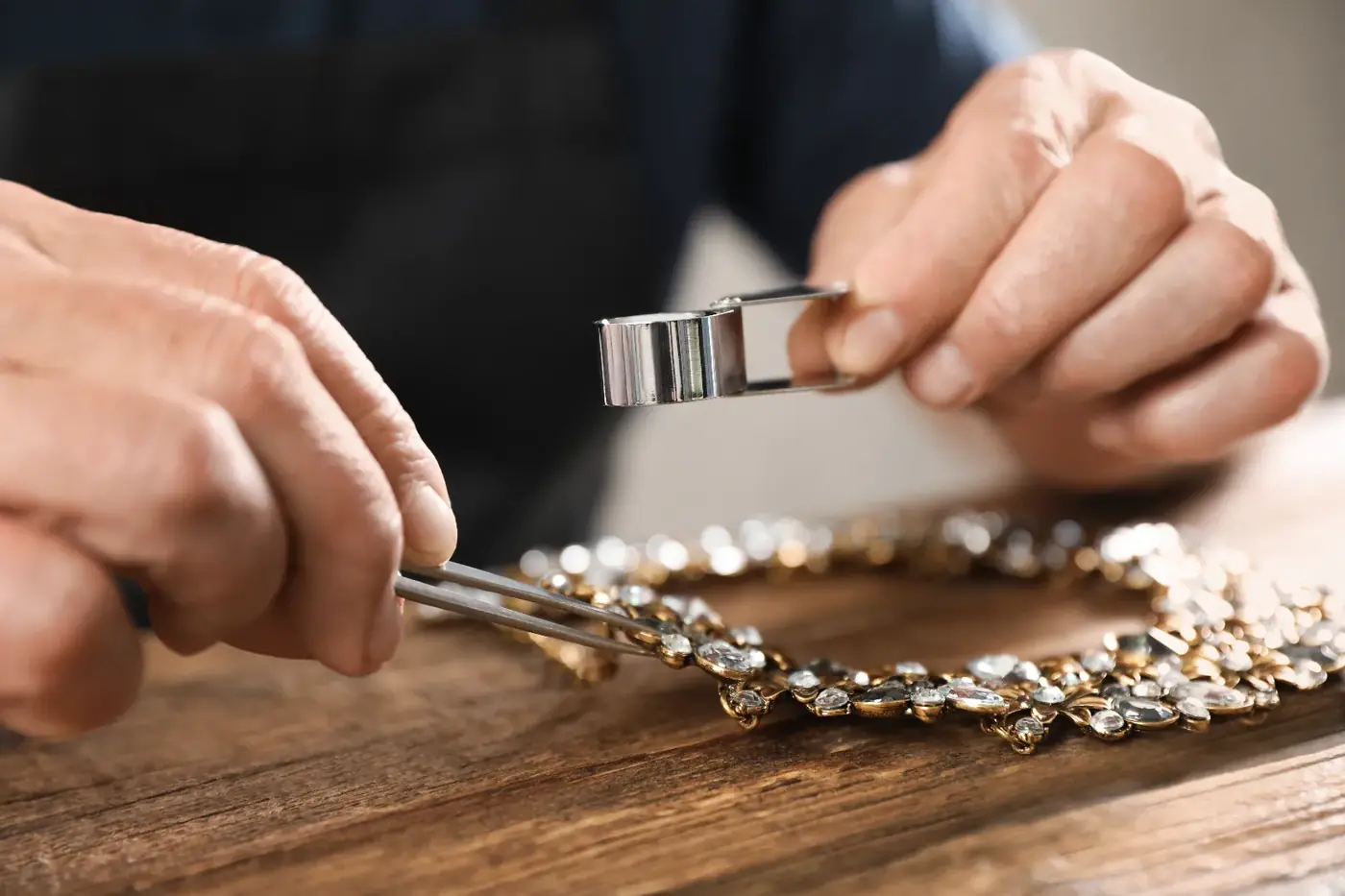
If a bracelet is too loose, a jeweller can usually shorten a link or chain style by removing links. If it is too tight, links can often be added. Solid bangles are much harder to alter, so measure carefully. Avoid bending or forcing it yourself, which can weaken a clasp or setting.
Keep any links that are removed. They allow the bracelet to be lengthened later if your fit preference changes.
We repair bracelets, so bring the piece to us rather than stretching or twisting it at home. See our jewellery repair page for more.
Come and try it on at 7800 Woodbine Ave in Markham, or call (905) 475-1702, and we will check the fit with you in person. Ask anything, there is no pressure.

A quick fit test before you commit
Slide a fingertip under the bracelet, shake your hand and make a fist. A good fit lets the finger pass, keeps the bracelet from sliding past the hand and leaves no marks. If it fails any one of these checks, try the next size before settling.
Skin and weather alter fit. Wrists swell in heat and after exercise, so test on a normal day, not straight after a workout.
Clasps change the feel as well. A flat fold-over clasp lies smoother than a hook, and a safety catch adds a small amount of length.
If you are buying as a gift, borrow a bracelet the wearer already uses and measure that.
Measuring for someone else without spoiling a surprise
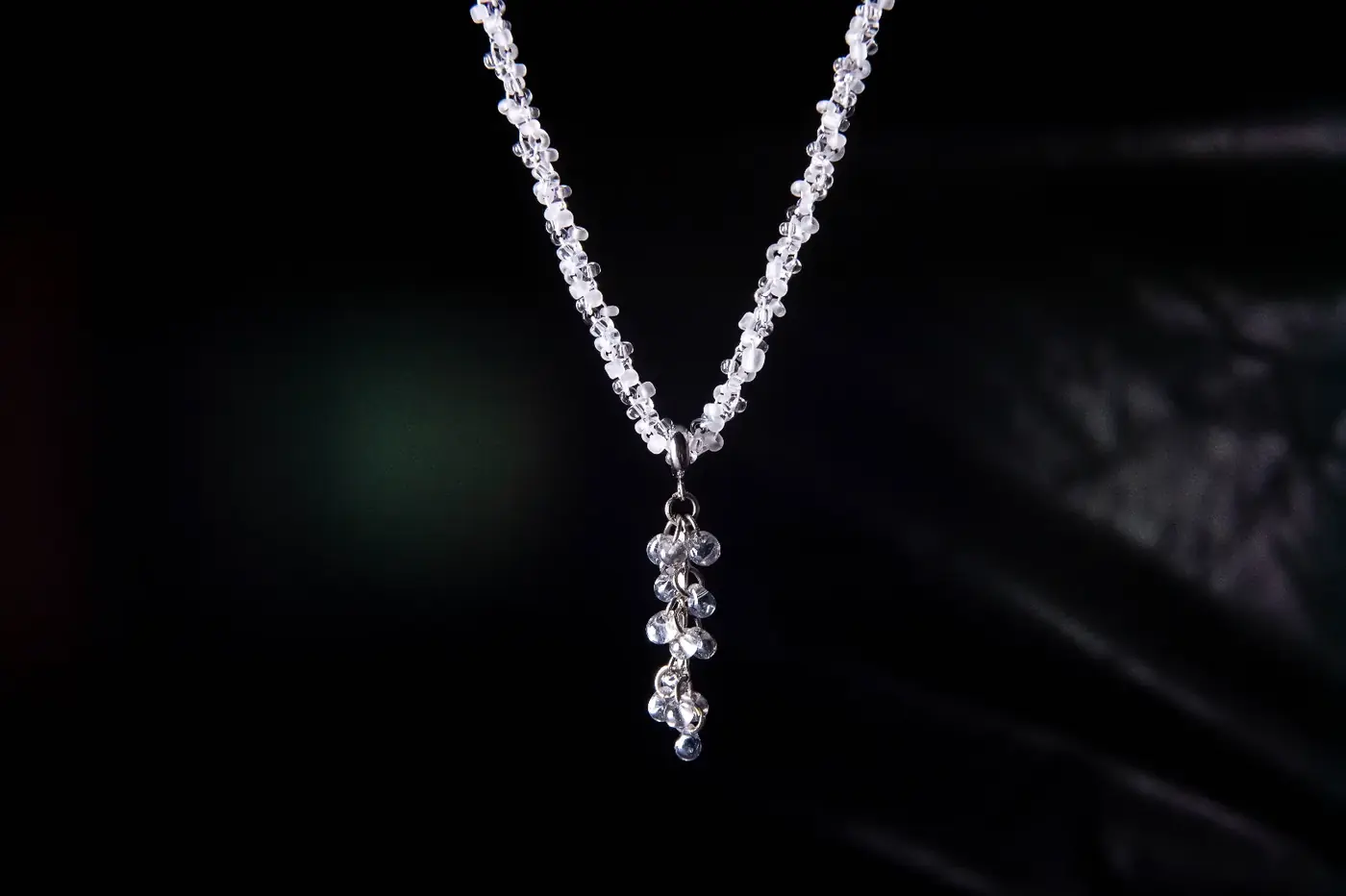
To size a bracelet as a gift, borrow one the wearer already uses and measure it flat from clasp to clasp. A watch strap works too, with the clasp end allowance in mind. Failing that, ask a close relative, or choose an adjustable style that forgives a small error.
Slide the borrowed bracelet onto a ruler without stretching it. Record the length and which hole or clasp position the wearer normally uses.
If you cannot borrow one, choose a hinged bangle or an adjustable chain. These accept a range of wrists, so a half inch error will not matter.
A gift bracelet can often be adjusted afterward, so a small miss is not a disaster. Bring the piece in and we will look at it with you.
Questions, answered
How do I measure wrist size at home?
Wrap a strip of paper or a soft tape snugly around the wrist just past the wrist bone and mark where it overlaps. Measure the strip against a ruler. Do it late in the day and repeat once. Then use the bracelet size chart to add the right allowance.
What bracelet size is right for a 7 inch wrist?
For a 7 inch wrist, a snug fit is about 7.25 inches, a standard fit about 7.5 inches and a loose fit about 7.75 inches. Heavy chains belong in the loose column. If you fall between two lengths, choose the larger one for comfort.
What is a tennis bracelet?
A tennis bracelet is a slim, flexible line of identical stones, usually diamonds, set in a continuous row. It took its name from tennis player Chris Evert, who lost one during a 1987 match. The links hinge but do not stretch, so correct length matters.
What tennis bracelet size should I choose?
Many women wear 6.5 to 7 inches and many men 7.5 to 8 inches, but your wrist measurement decides. The bracelet should sit behind the wrist bone with room for one fingertip underneath. If it rolls or slides toward the hand, it is too loose.
How is gold bangle size different?
A gold bangle is sized by inside diameter because it must pass over your hand. Measure around your knuckles with the thumb tucked in, divide by 3.14, and choose a bangle slightly larger than that diameter. Typical sizes run roughly 57 to 70 millimetres.
Can a bracelet that is too loose be fixed?
Often yes. Link and tennis styles can usually be shortened by removing links, and a repair visit will tell you what suits the piece. We repair bracelets at 7800 Woodbine Ave in Markham. Call (905) 475-1702 and bring the bracelet in rather than adjusting it yourself.
Book a private consultation
Planning bracelet size chart: measure once, fit properly? A short note is enough to begin. Use the form, call (905) 475-1702, or visit us on Woodbine Avenue in Markham.
7800 Woodbine Ave, Markham, ON L3R 2N7
(905) 475-1702