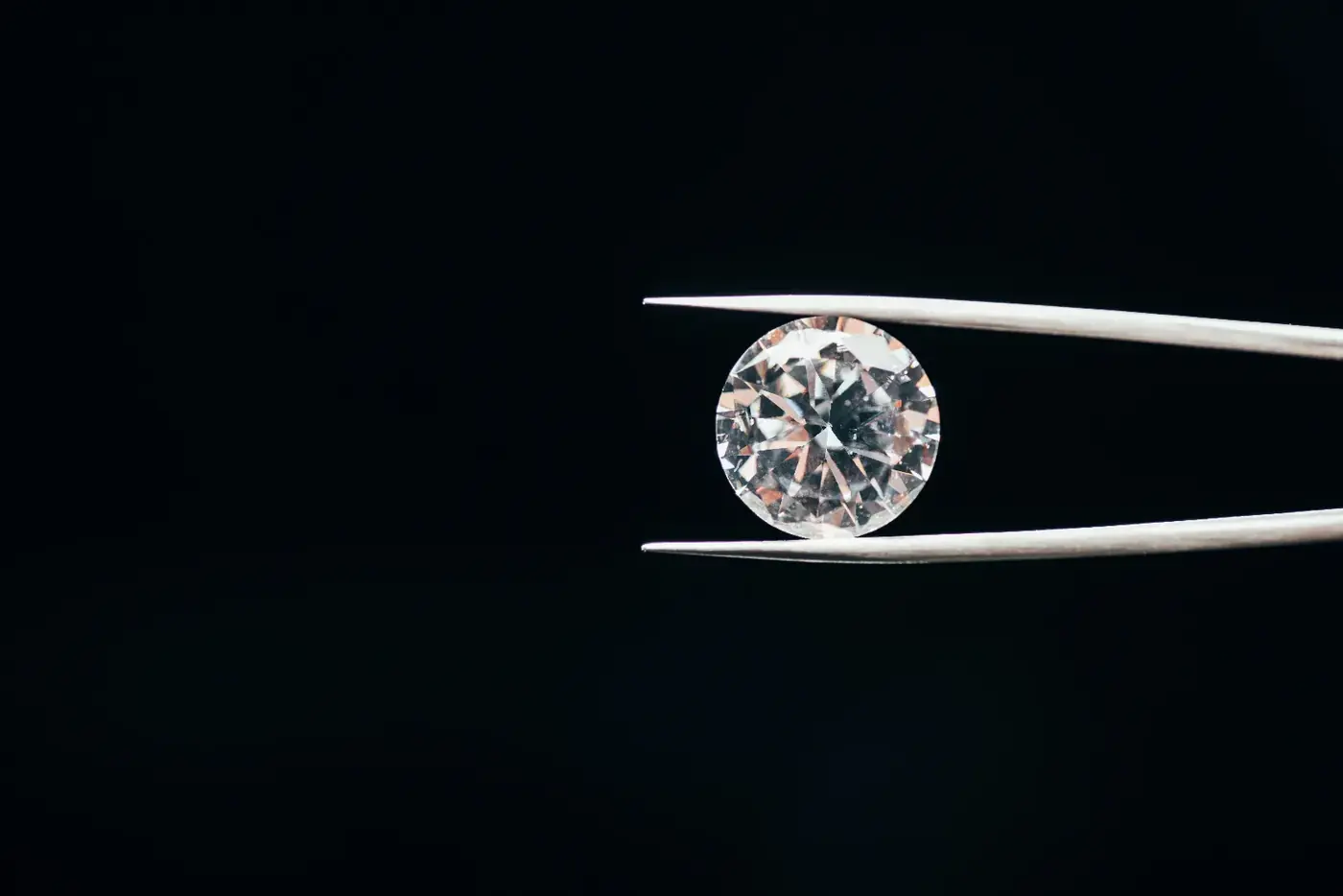
The diamond 4Cs, explained in plain terms
The diamond 4Cs are cut, colour, clarity and carat weight. Each one is graded on its own scale, and knowing which ones your eye can actually see saves you money.
Where the diamond 4Cs came from
The 4Cs are a shared language for describing a diamond: cut, colour, clarity and carat weight. The Gemological Institute of America created the system and its grading scales are now used across the trade. It lets two people compare stones without seeing them, but the numbers never replace looking at the diamond itself.
Before a common system existed, one seller's fine stone was another's average one. The 4Cs gave buyers and jewellers the same vocabulary, so you can ask better questions and understand the answers.
Remember that a grade describes a stone, not a ring. Two diamonds with identical grades can look different in the light, so use the 4Cs to narrow the field and your eyes to choose.
Diamond cut grade: the C that makes a stone sparkle
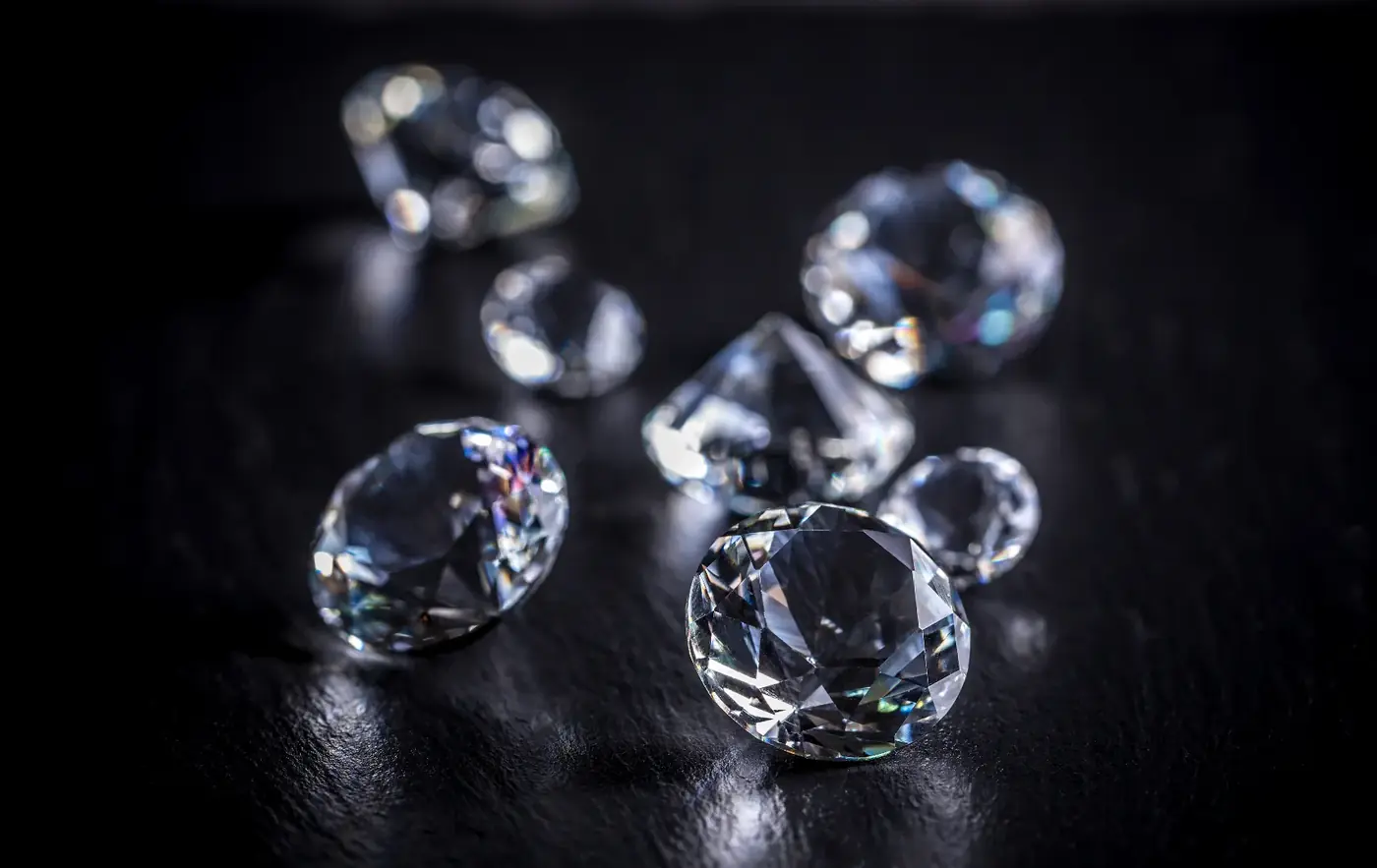
Cut describes how well a diamond's facets are proportioned and finished, not its shape. A well cut stone returns light to your eye as brightness, fire and scintillation. A poorly cut stone leaks light out the bottom or sides and looks dull, even if its colour and clarity grades are high.
A diamond cut grade from GIA runs from Excellent through Very Good, Good and Fair down to Poor. GIA assigns cut grades only to standard round brilliants in the D to Z colour range. Fancy shapes such as ovals, pears and emeralds are not given an overall cut grade.
GIA looks at brightness, fire, scintillation, weight ratio, durability, polish and symmetry together. That is why cut is the one factor we would never trade away. We hand-pick our diamonds for the highest-quality cuts, because cut decides how alive the stone looks in the setting.
If you are choosing a fancy shape, look at it in person and in more than one light. Our diamond shapes guide compares the cuts side by side, and our loose diamonds page explains how we think about choosing a stone.
How to read a diamond color grade
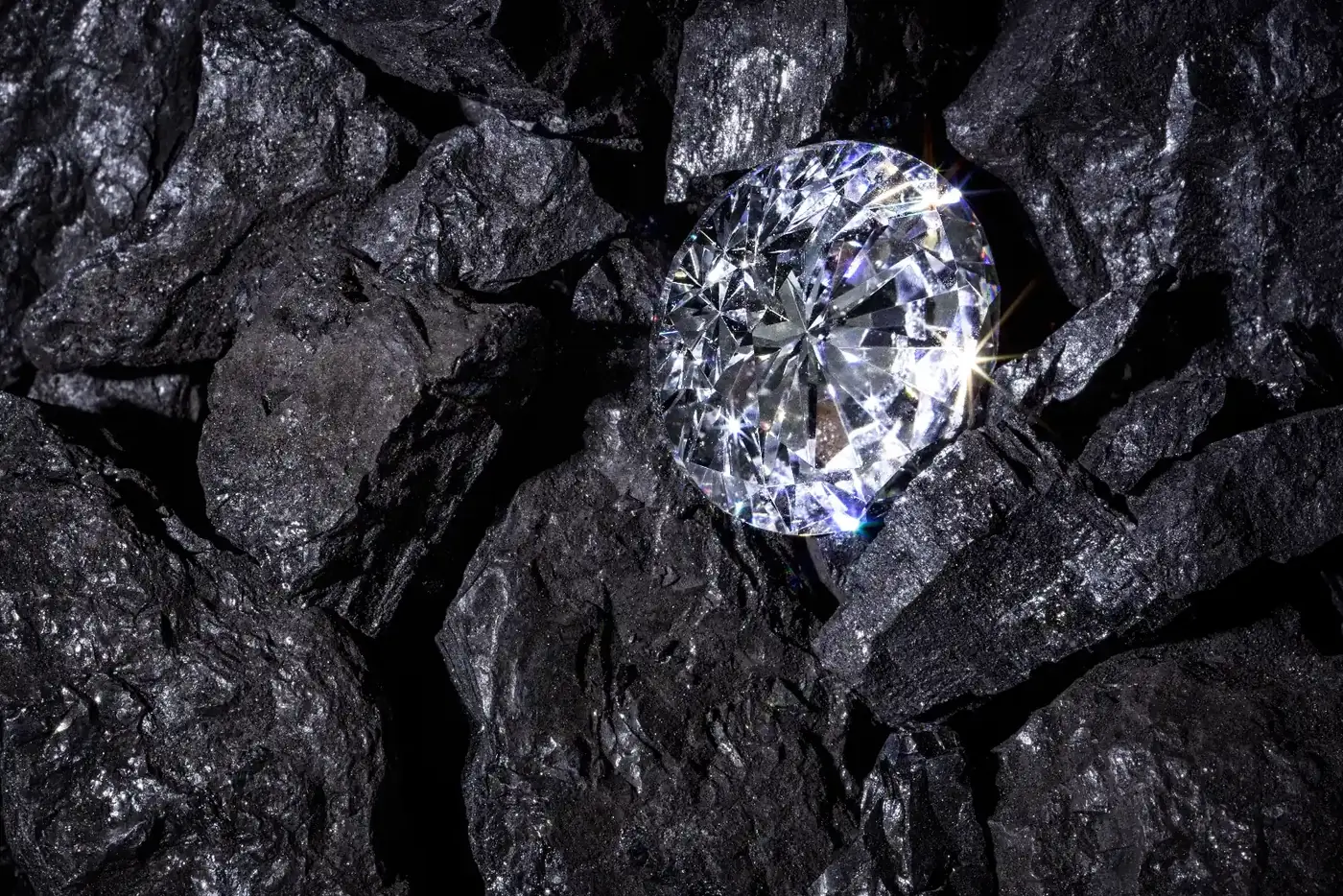
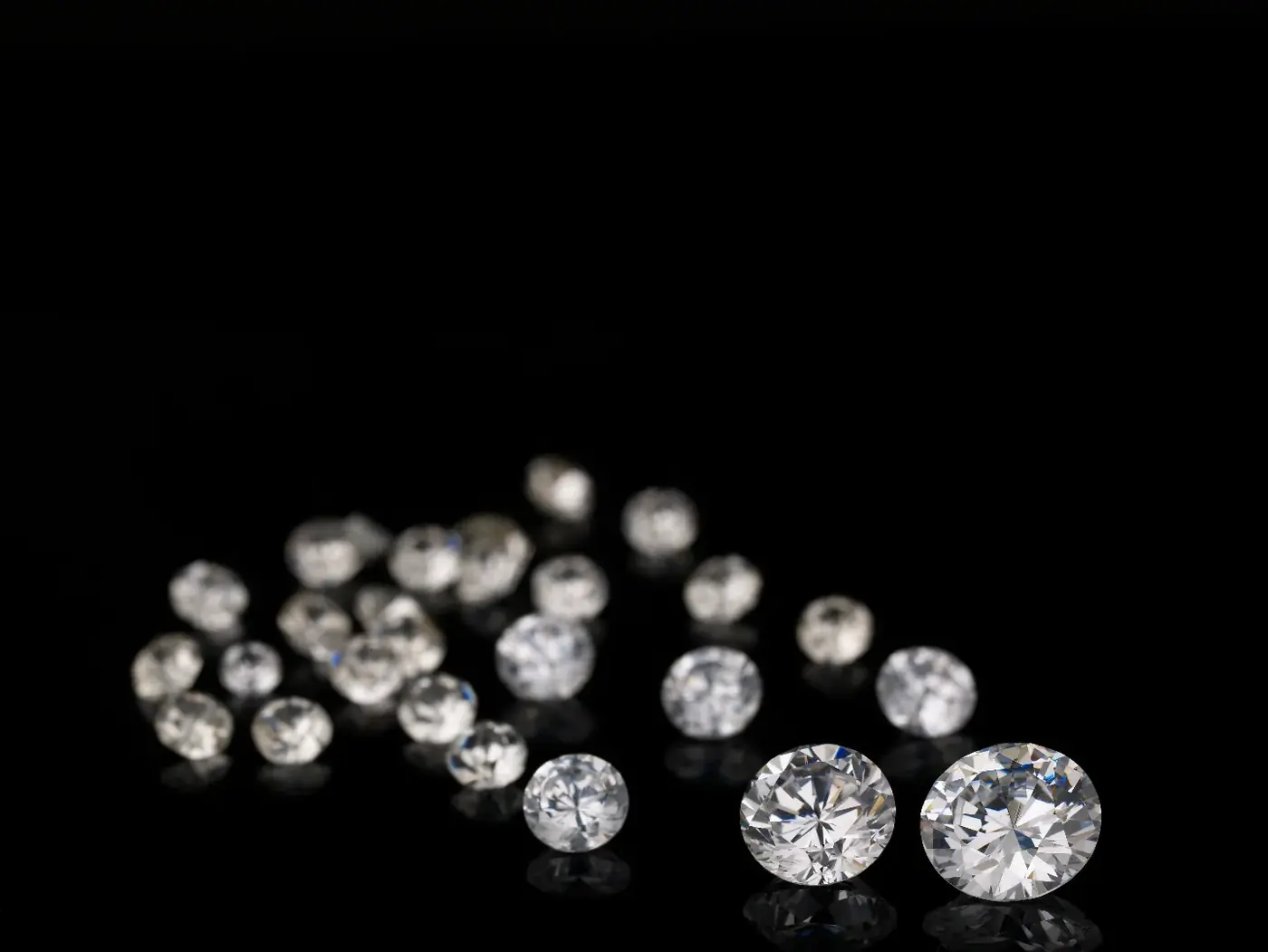
A diamond colour grade measures how much yellow or brown tint a white diamond carries, from D, which is colourless, down to Z. Less tint is rarer. The steps between neighbouring letters are very small, and most people cannot see them once the stone is set in a ring, especially in yellow or rose gold.
A diamond color grade scale has 23 letter grades, D through Z. The first group, D to F, is called colourless. G to J is near colourless, and K to M is faint.
Setting changes what you notice. In white gold or platinum, a stone with a little warmth looks warmer. In yellow or rose gold, a near colourless stone often looks as white as a higher color grade.
Ask to see two stones side by side, a grade or two apart, on a white surface. The difference you can see is the difference worth paying for, and the one you cannot see is not. If you are weighing metals for the ring, our engagement rings page covers that choice.
| Grades | Group | What you will notice |
|---|---|---|
| D, E, F | Colourless | No visible tint, rarest |
| G, H, I, J | Near colourless | Tint very hard to see once set |
| K, L, M | Faint | Slight warm tint, noticeable in white metals |
| N to R | Very light | Visible warm tint |
| S to Z | Light | Clear yellow or brown tint |
Reading the diamond clarity chart without overpaying
The diamond clarity chart ranks the tiny inclusions and surface marks inside a stone under 10x magnification. It has 11 grades from Flawless to Included. Grades in the middle often look clean to the unaided eye, so the highest grades cost more than most people can see. Judge by the eye, not the label.
Clarity is graded on the size, nature, number, position and relief of characteristics. A tiny feather near the edge matters less than a dark spot beneath the table.
Two diamonds with the same grade can look very different. One may hide its inclusion under a prong, while another shows it in the centre. This is why a grade is a starting point only. Check the clarity chart for the grade, then check the stone for the picture.
| Grade | Name | What to expect |
|---|---|---|
| FL | Flawless | No inclusions or blemishes visible at 10x magnification |
| IF | Internally Flawless | No inclusions, only minor surface marks |
| VVS1, VVS2 | Very, Very Slightly Included | Inclusions very hard to see at 10x |
| VS1, VS2 | Very Slightly Included | Minor inclusions, seen with effort at 10x |
| SI1, SI2 | Slightly Included | Inclusions noticeable at 10x, sometimes visible to the eye |
| I1, I2, I3 | Included | Inclusions are obvious and may affect durability or brilliance |
Diamond carat weight is weight, not size
Diamond carat weight is a measure of mass. One carat equals 200 milligrams, and a carat is divided into 100 points. A stone does not always look as big as its weight suggests. Shape, depth and cut change the face-up size, so two one carat diamonds can differ in width by a noticeable amount.
Prices tend to jump at round numbers such as one carat. A stone just under the mark often looks the same to the eye and costs less, which is worth asking about.
A deep cut hides weight in the base of the stone. A shallow, spread cut shows more width, but can lose brilliance. This is another reason cut comes first.
Measure the millimetres across the top, not just the weight on paper. Finger size and ring style also change how large a stone looks on the hand. The wedding bands you plan to wear alongside it can change that picture too.
Use the table to see how weight and typical round diameter relate, and remember that cut changes the real figure.
| Carat weight | Points | Milligrams |
|---|---|---|
| 0.25 carat | 25 points | 50 mg |
| 0.50 carat | 50 points | 100 mg |
| 0.75 carat | 75 points | 150 mg |
| 1.00 carat | 100 points | 200 mg |
| 2.00 carat | 200 points | 400 mg |
How to balance the four Cs on a budget
Start with cut, then spend on the factors your eye can notice. Choose a near colourless grade that suits your metal, an eye-clean clarity grade, and a weight that fits your hand and budget. Trade a small amount of colour or clarity for a better cut or a larger stone. Do not trade cut.
A useful order is cut, then size, then colour, then clarity. That is a rule of thumb, not a law, and a particular stone can break it.
Ask any seller to show you the stone, not only a report. We explain what drives cost so you can choose where it matters, and we encourage you to shop around and compare before you decide. There is no rush.
You can also test combinations of shape and metal in the 3D ring creator to see how a stone sits before you talk through grades. A classic solitaire engagement ring puts the 4Cs on full display, so each grade matters there.
Buy the cut your eye loves, then let the other three Cs fit around it.
Grading reports: what they say and what they do not
A grading report records a diamond's measurements, shape, and grades for the 4Cs, and usually a plot of its inclusions. It is a record of the stone at one moment. It does not tell you how the diamond looks face up or whether it suits your ring. Ask which laboratory graded it and compare like with like.
Grading laboratories do not all grade to the same strictness. A report from one lab can be more generous than another's, so a label such as SI1 is not always the same stone.
Natural and laboratory-grown diamonds receive different reports. If a stone is lab-grown, that must be stated clearly. We supply both natural and lab-grown diamonds, so we can show you either. Our guide to natural vs lab grown diamonds explains the difference.
Whatever report you are shown, ask to see the diamond in daylight and under a jeweller's lamp, and take your time. Come and look at stones with us whenever you are ready. If you already own a stone, we write jewellery appraisals that describe it on paper.
The fifth C: shape, setting and what you will wear
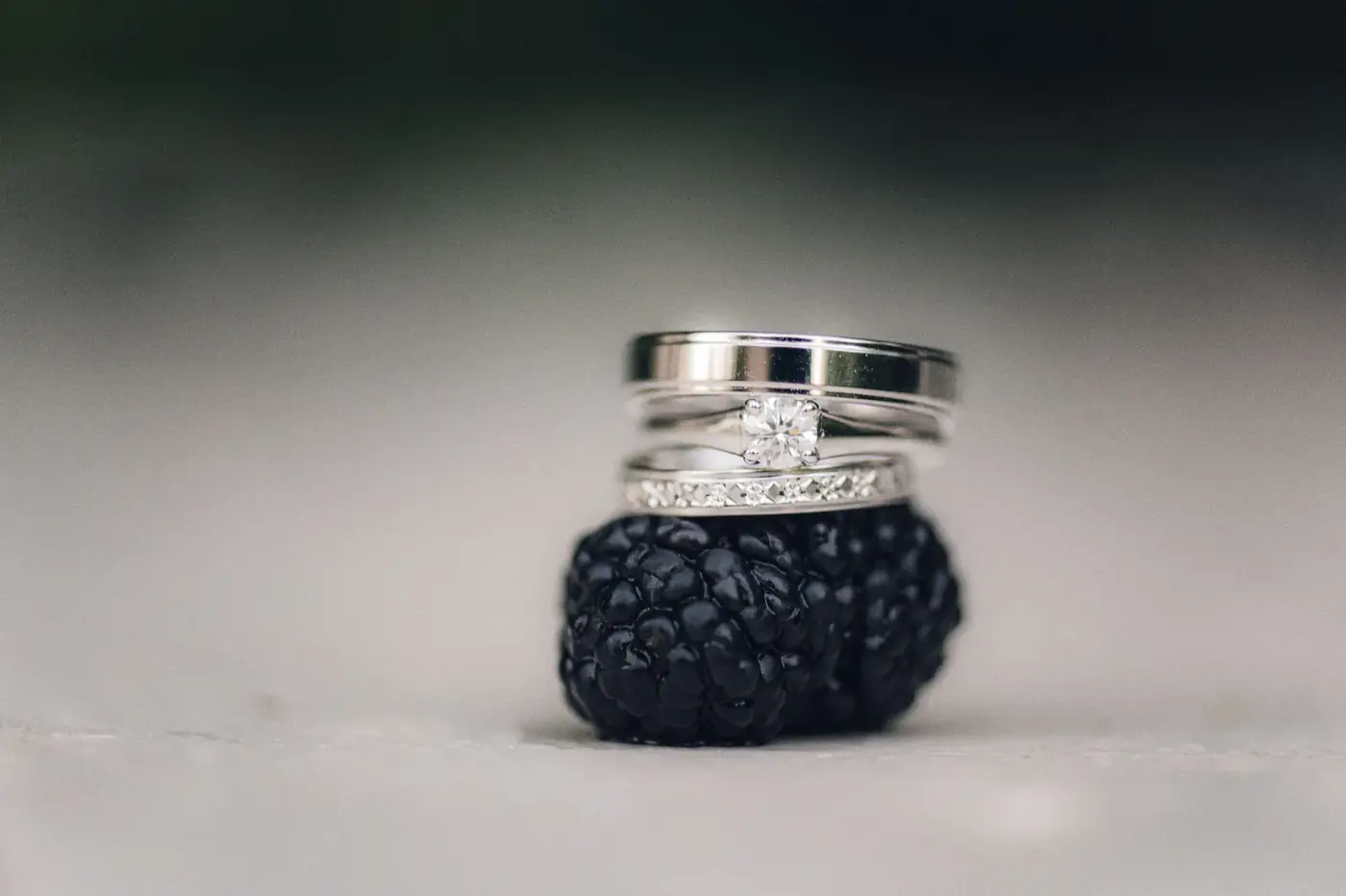
Shape and setting are not part of the grading system, but they shape the result. A round diamond hides colour and inclusions better than a step cut such as an emerald, which shows them. A halo, a bezel or a three-stone design can also change which grades matter most for the final ring.
Step cuts such as emerald and asscher show clarity and colour more, so those grades matter more. Brilliant cuts such as round and oval hide small inclusions with sparkle.
Think about the daily wear too, because you may wear this stone for decades. A low setting suits an active hand, and a delicate pavé setting suits a careful one. These choices belong in the same conversation as the grades.
If you want to build the whole design, our custom jewellery page describes how we work from an idea to a finished piece.
Questions, answered
What are the diamond 4Cs?
The diamond 4Cs are cut, colour, clarity and carat weight. Together they describe a diamond's quality and help you compare stones. Cut controls sparkle, colour measures tint, clarity records inclusions and carat weight measures mass. GIA created the grading system that most of the industry uses today, but a grade is only a guide until you see the stone.
Which of the 4Cs matters most?
Cut matters most for how a diamond looks, because it controls the light you see. A well cut stone with modest colour and clarity grades usually beats a poorly cut stone with higher ones. After cut, spend on the factors your eye can see, usually size and a colour that suits your metal. Clarity beyond eye-clean often adds cost without adding visible beauty.
What is a good diamond colour grade for an engagement ring?
A near colourless grade, G to J, is a popular choice, because the tint is very hard to see once the stone is set. In yellow or rose gold you can often go lower without noticing. In white metals, compare stones side by side. The right grade is the lowest one that still looks white to you in your chosen setting.
What clarity grade looks clean to the eye?
Many stones from VS1 to SI1 look clean without magnification, but it depends on the individual diamond. Where the inclusion sits and what type it is matters as much as the grade. Always inspect the actual stone, ideally with a loupe, and ask the jeweller to point out any inclusion so you know what you are buying.
How much is one carat of diamond?
One carat is a weight of 200 milligrams, or 0.2 grams, and it is split into 100 points, so a 0.50 carat stone is 50 points. This is a unit of weight, not of size, so the width of a one carat diamond depends on its shape and cut. We do not quote prices in a blog post, because they depend entirely on the stone.
Does GIA grade cut on every diamond?
No. GIA gives a cut grade, from Excellent to Poor, only to standard round brilliant diamonds in the D to Z colour range. Fancy shapes such as pear, oval and emerald get measurements and a polish and symmetry assessment, but no overall cut grade. For these shapes, your own eye and a jeweller's advice carry more weight.
Book a private consultation
Planning the diamond 4cs, explained in plain terms? A short note is enough to begin. Use the form, call (905) 475-1702, or visit us on Woodbine Avenue in Markham.
7800 Woodbine Ave, Markham, ON L3R 2N7
(905) 475-1702