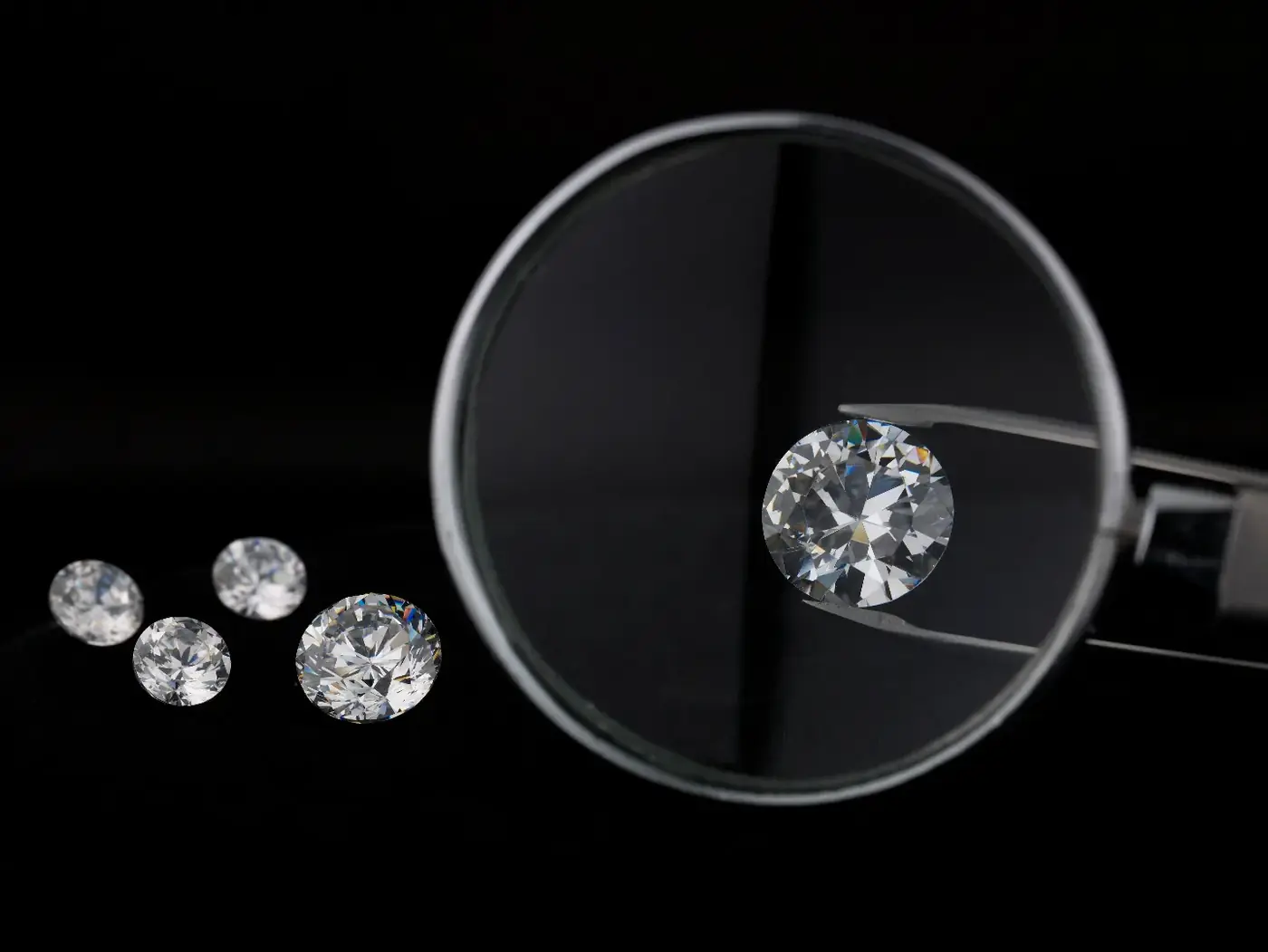
Lab grown diamond or natural? Loose stones, explained honestly
A lab grown diamond is a real diamond, and so is a natural one. We supply both, explain the difference honestly, and show loose diamonds Toronto buyers can compare at 7800 Woodbine Ave in Markham.
Why start with a loose diamond
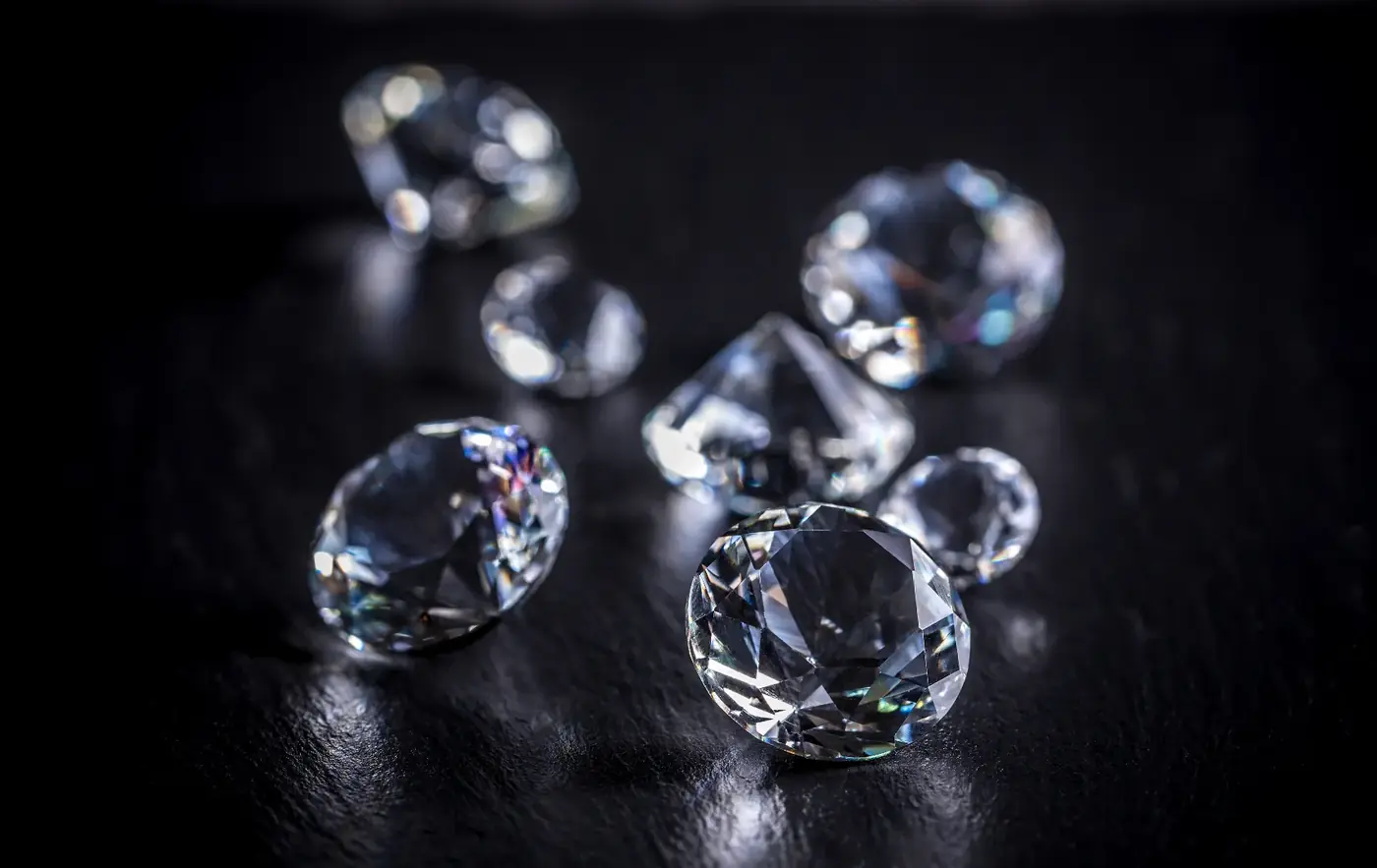
Choosing a stone before the setting lets you judge the diamond on its own merits. You see the cut, the colour and the inclusions without prongs or metal getting in the way. It also gives you freedom to pick the setting, metal and ring style that suit the stone, rather than the other way round.
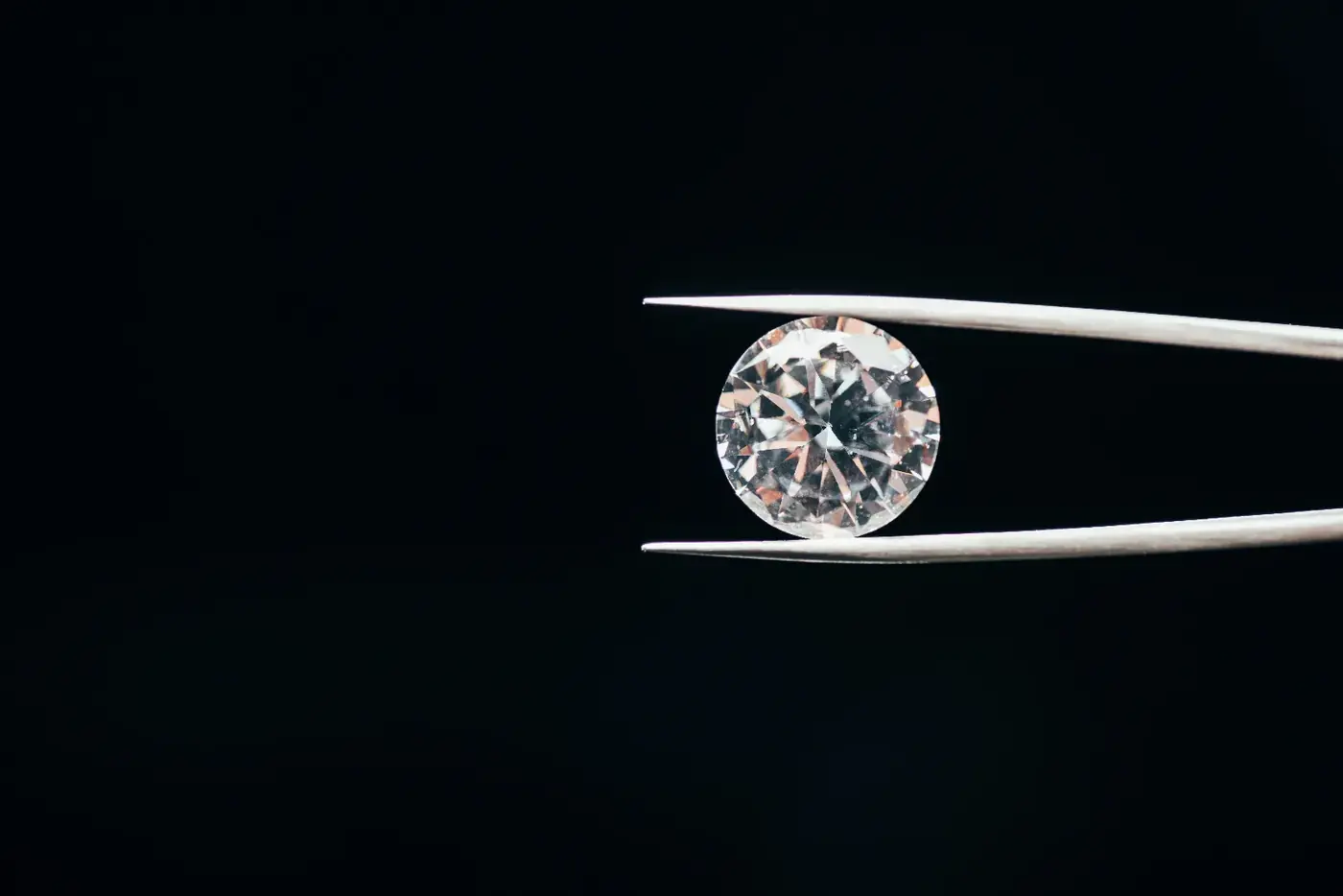
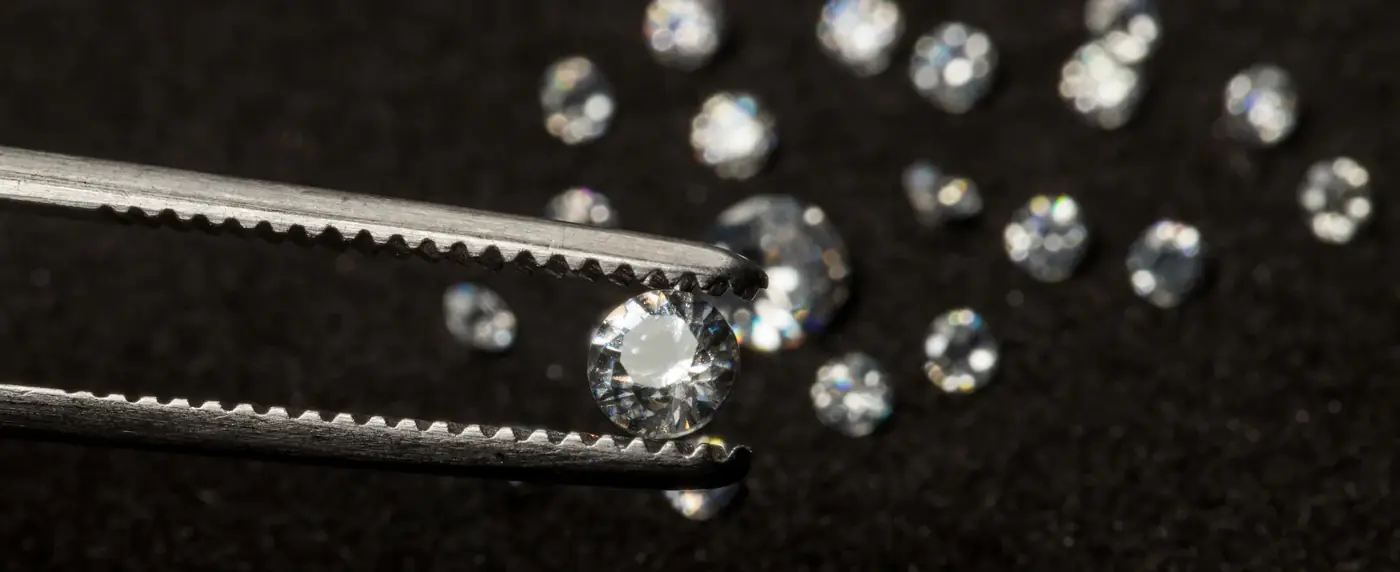
A loose diamond sits in tweezers under a light, and you can turn it, tilt it and watch it come alive beside another. If you are looking at loose diamonds Toronto jewellers display, differences that vanish in a mounted ring are plain at that point.
At Lucio's Gold we hand-pick diamonds with the highest-quality cuts, and we spend time explaining quality versus cost. We would rather you understand what you are paying for than take our word for it, so ask us anything.
We are family-owned, with more than 30 years serving the GTA, and we encourage customers to shop around and compare. Seeing several loose stones in a row is the fastest way to learn what you like. Our Markham store is easy to reach from Highway 404.
Look at the diamond first. The ring can be built around it.
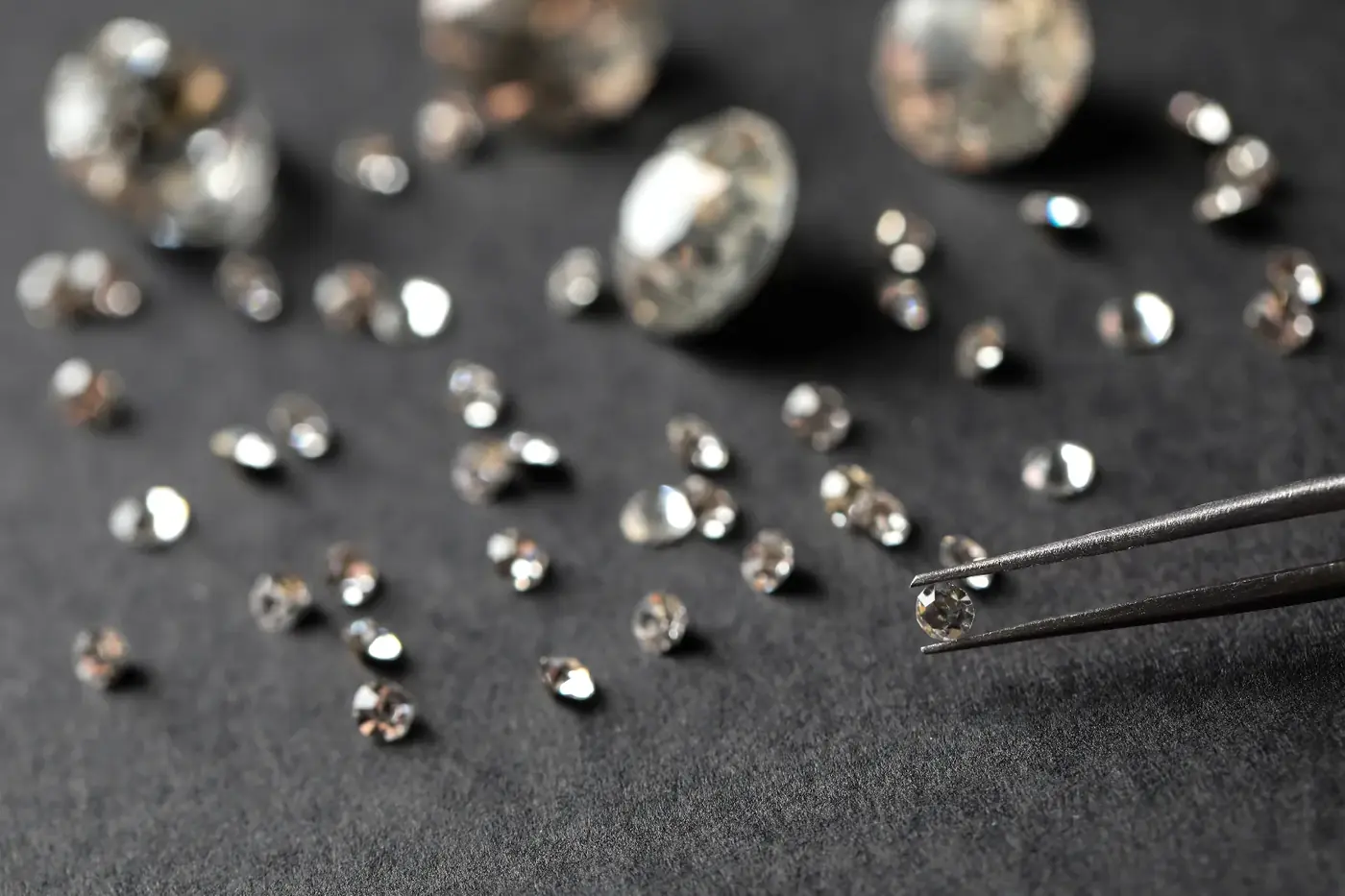
The 4Cs: cut, colour, clarity and carat
The 4Cs are the shared language of diamond quality, developed by GIA: cut, colour, clarity and carat weight. Cut governs how the stone handles light. Colour grades from D to Z. Clarity describes inclusions, from Flawless to Included. Carat is a unit of weight, 200 milligrams, not a measure of size.
Cut is the one that decides sparkle. A well-cut stone returns light through the top; a shallow or deep one leaks it. This is why we pay close attention to cut, whatever the other grades say.
Colour runs on a letter scale from D, colourless, to Z, with light yellow or brown tints toward the end. Most of the difference between neighbouring grades is subtle and best seen side by side.
Clarity covers internal marks and surface blemishes. Many inclusions cannot be seen without a loupe. Carat weight tells you mass, so two stones of equal carat can look different in width depending on their proportions. Our longer 4Cs guide takes each grade in turn. Shape is a separate choice, and our diamond shapes guide compares the options.
| C | What it measures | What to look for |
|---|---|---|
| Cut | Proportions, polish and symmetry that shape how light moves | Even brilliance across the stone, no dark or washed-out patches |
| Colour | How colourless the stone is, on a D to Z scale | A grade whose tint you cannot see once the stone is set |
| Clarity | Inclusions and blemishes, from Flawless to Included | A stone that looks clean to the eye at normal distance |
| Carat | Weight, where one carat equals 200 milligrams | A weight that fits your ring's setting and your hand |
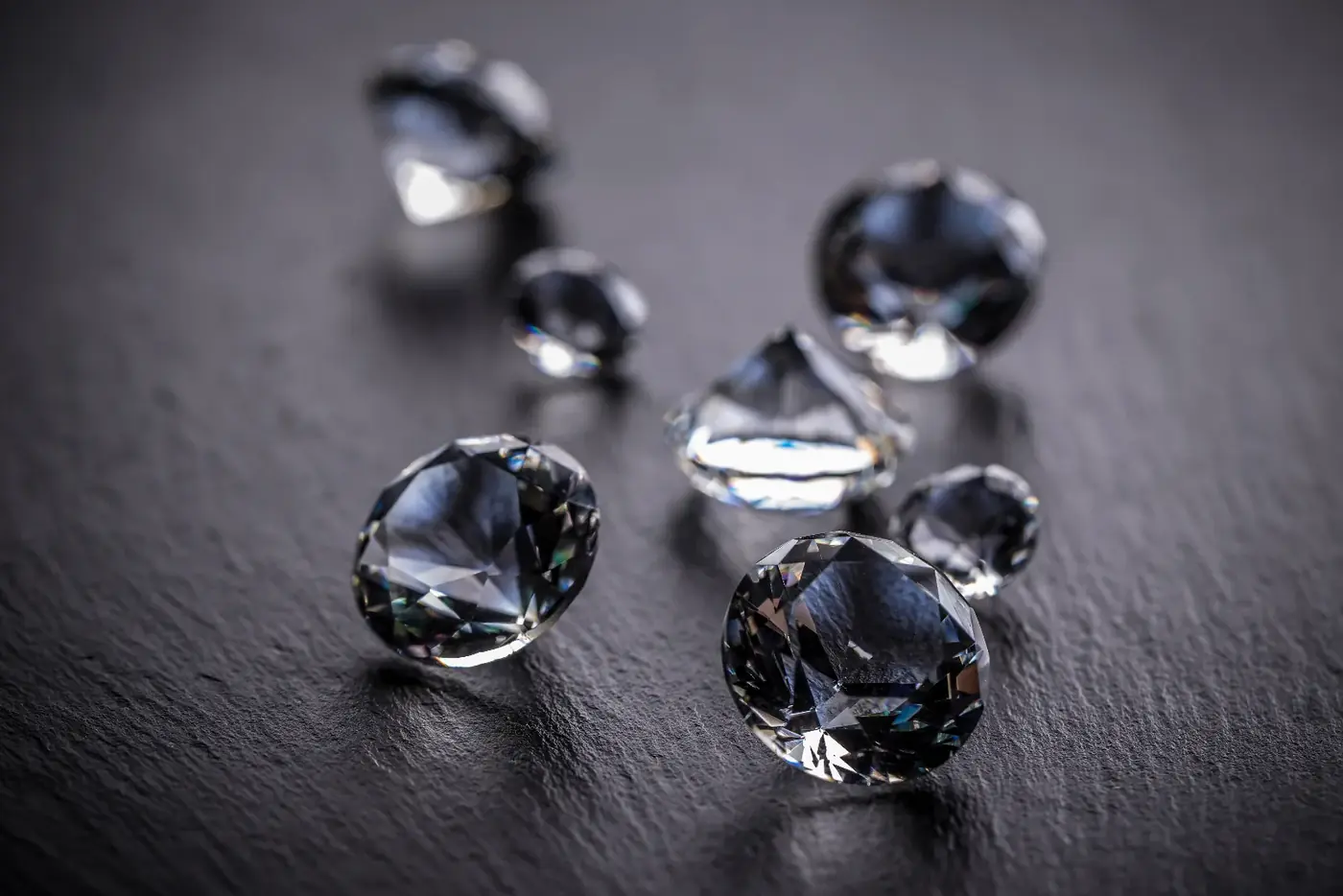
Lab grown diamond versus natural, honestly
A lab grown diamond is a real diamond made in a controlled setting, with essentially the same chemical composition and crystal structure as a mined one. The difference is origin. Sellers must disclose it, and the two usually differ in price and resale. We supply both lab grown and natural diamonds, and we explain each plainly.
GIA, which grades both kinds, explains that natural and laboratory-grown diamonds share the same basic properties. Special equipment can tell them apart, which is why disclosure matters.
Choosing between them is personal. Some buyers value a natural stone's geological story. Others prefer the lab grown option for its different cost and its lower mining footprint. Our guide to natural versus lab grown diamonds sets out the differences.
Come in and see both side by side, and look at them in your own hand. We would rather you understand what you are looking at than choose on a label. Call (905) 475-1702 or visit 7800 Woodbine Ave in Markham.
- Ask for the origin of any diamond in writing.
- Ask how the stone is graded and by whom.
- Ask how a lab grown stone differs in price from a natural one of equal grade.
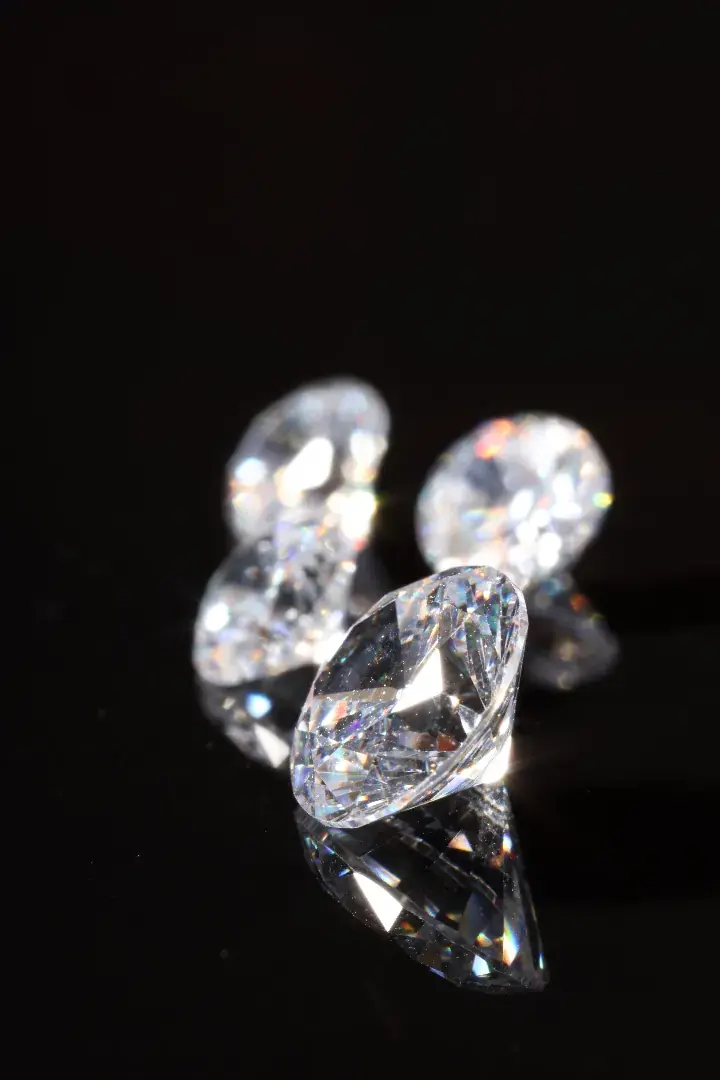
Whatever its origin, a diamond should be described honestly on paper.
Questions to ask about any lab grown diamond
Ask any seller of a lab grown diamond the same questions as for a natural one, plus one: how is the origin disclosed? Request the origin, the grading report and the 4Cs in writing, then compare. A fair seller welcomes the questions and answers them plainly, in store or on the phone.
The most useful comparison is stone against stone. Ask to see a lab grown diamond next to a natural one of similar grades and look at the cut, not the label. The eye often prefers one cut over another regardless of origin.
Ask also how the stone will be described on any receipt or appraisal. The Canadian jewellery trade expects clear wording, and so should you. Leave with a document that says what the stone is. We also write jewellery appraisals if you need a stone described on paper.
We would rather you ask us plainly, and then ask others. No question is too small. We are family-owned and happy to explain how we think about natural and lab grown stones, and we supply both.
Synthetic diamond Canada: what the word means
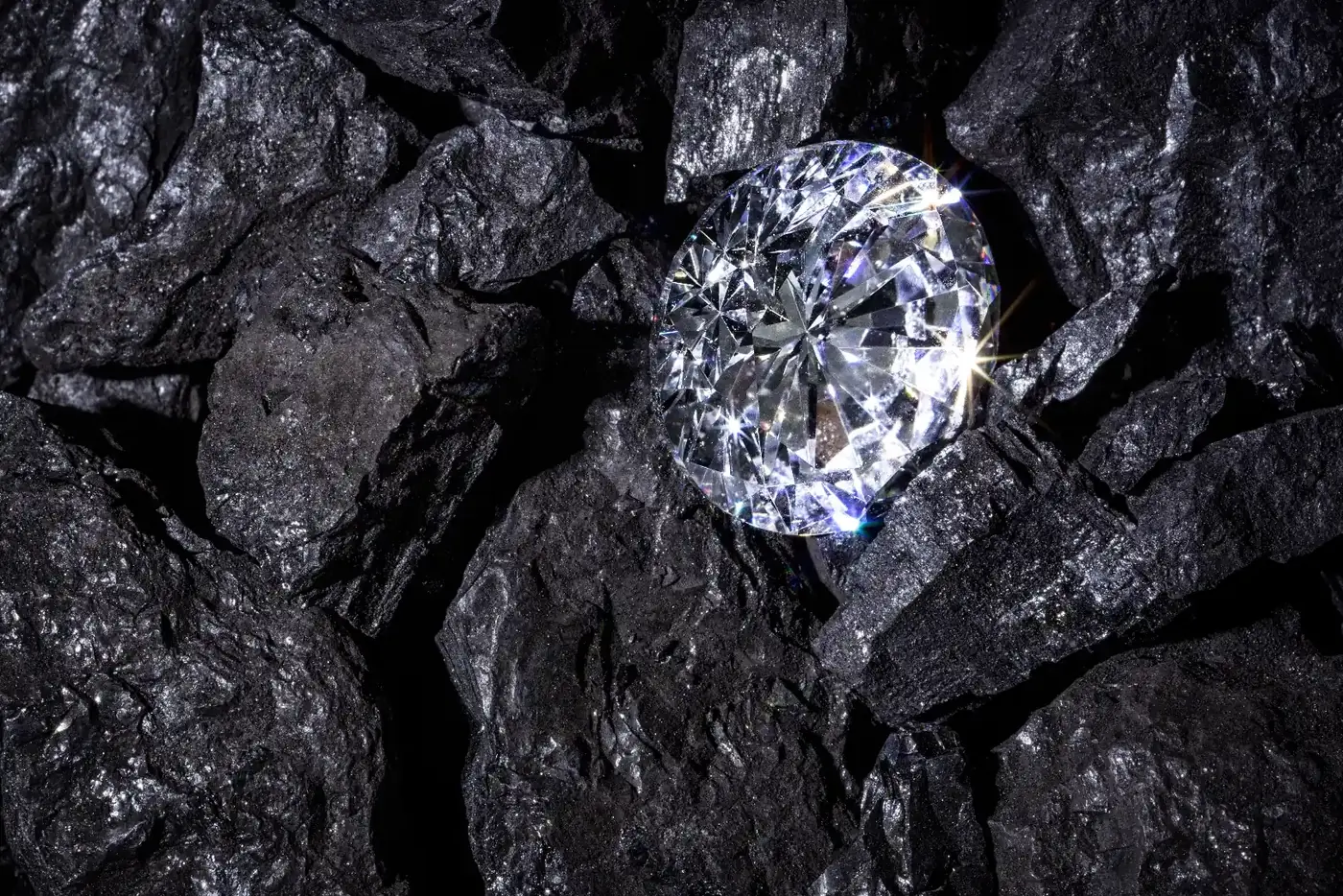
A synthetic diamond in Canada is the trade's word for a diamond grown in a laboratory, the same thing most shoppers call a lab grown diamond. Canadian industry guidance says the stone should be described as lab grown, lab created or synthetic, with that wording placed right before the word diamond, and on your receipt.
The guidance is voluntary industry practice rather than a statute written for this one product. General rules against misleading descriptions still apply to jewellery sellers, which is why clear wording protects both sides.
Be cautious about sweeping environmental claims. Some sellers market lab grown diamond Canada wide as better for the planet, and the guidance warns that such claims need support. Ask what a claim rests on.
Buyers across the GTA ask us about synthetic diamond Canada rules and about lab grown stones in general. We supply both lab grown and natural diamonds, and we will answer in plain words. Call (905) 475-1702.
Ask what a claim rests on, then trust the answer you can check.
From lab grown stone to ring
A lab grown diamond sets into a ring exactly as a natural one does, in the same prongs, bezels and metals. When the cut and grades match, you cannot tell them apart by eye. Our dedicated page on lab grown diamond rings covers settings and design choices, and our creator lets you try styles on screen.
Our page on lab grown diamond rings goes into stone choice, settings and metals for that style of ring, so we will not repeat it here.
You can try designs on screen with our 3D ring creator before you visit. It shows no prices, and sends a design brief so we can discuss a written quote with you in person.
Diamond wholesale Toronto searches, and what they mean
Wholesale describes the trade market where jewellers buy stones, not a retail price list. Searching for diamond wholesale Toronto can be useful for learning, but a lower sticker price is not the whole picture. Cut, grading, disclosure and the person standing behind the stone all affect the value you actually receive.
The pull of a wholesale price is understandable. Still, two diamonds with the same 4C grades can differ in cut quality and beauty. Cheaper on paper can be dearer in the eye.
We do not advertise wholesale pricing on this page, and we do not promise discounts. What we do is hand-pick stones, show you the differences, and explain what drives cost, so you choose where it matters.
Always compare like with like: the same grades, the same report and the same origin. We encourage you to shop around, and to bring us the quotes you collect so we can talk them through.
- Compare stones with the same cut quality, not only the same grades.
- Make sure each quote names the grading report.
- Ask what is included: the stone alone, or the finished ring.
How to buy loose diamonds Toronto sellers present
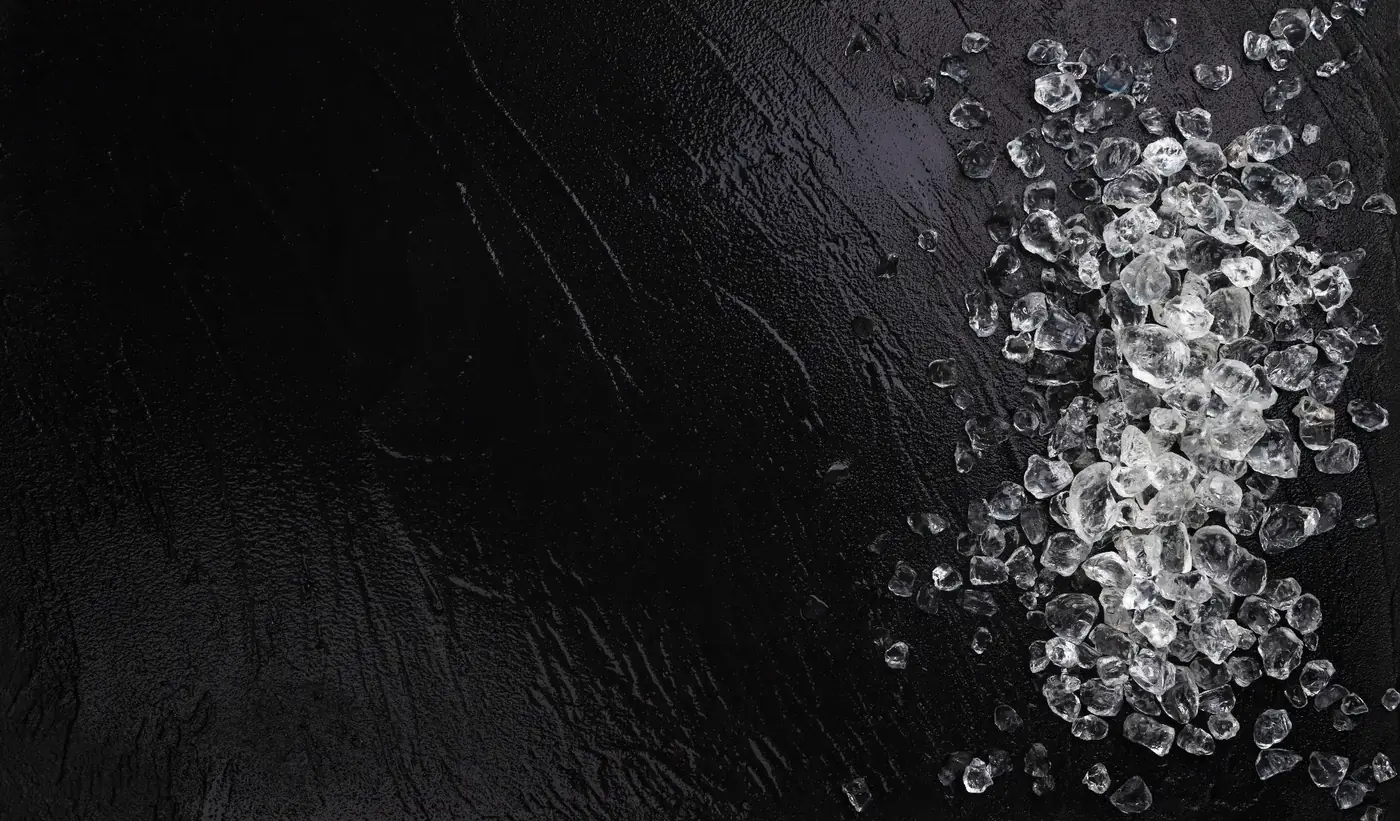
To buy loose diamonds, set priorities, see stones in person and ask for everything in writing. Decide which of the 4Cs matters most to you, look at several stones in the same light, and read the grading report. Then take a day before you decide. A good stone will still be there.
Most buyers do best prioritizing cut, then choosing colour and clarity to fit their budget and the ring's metal. A slightly lower grade in a well-cut stone often looks better than a higher grade in a poor cut.
A diamond is also a purchase you may wear for decades, and one day hand down. Ask about the setting, the metal and what happens if you need to resize or repair it. We resize rings and repair jewellery, and our jewellery repair page explains how.
Bring a notebook. Write down each stone's grades, weight, origin and the report it comes with. Back at home, the page tells you what memory cannot, and the choice feels calmer.
Reading a diamond grading report
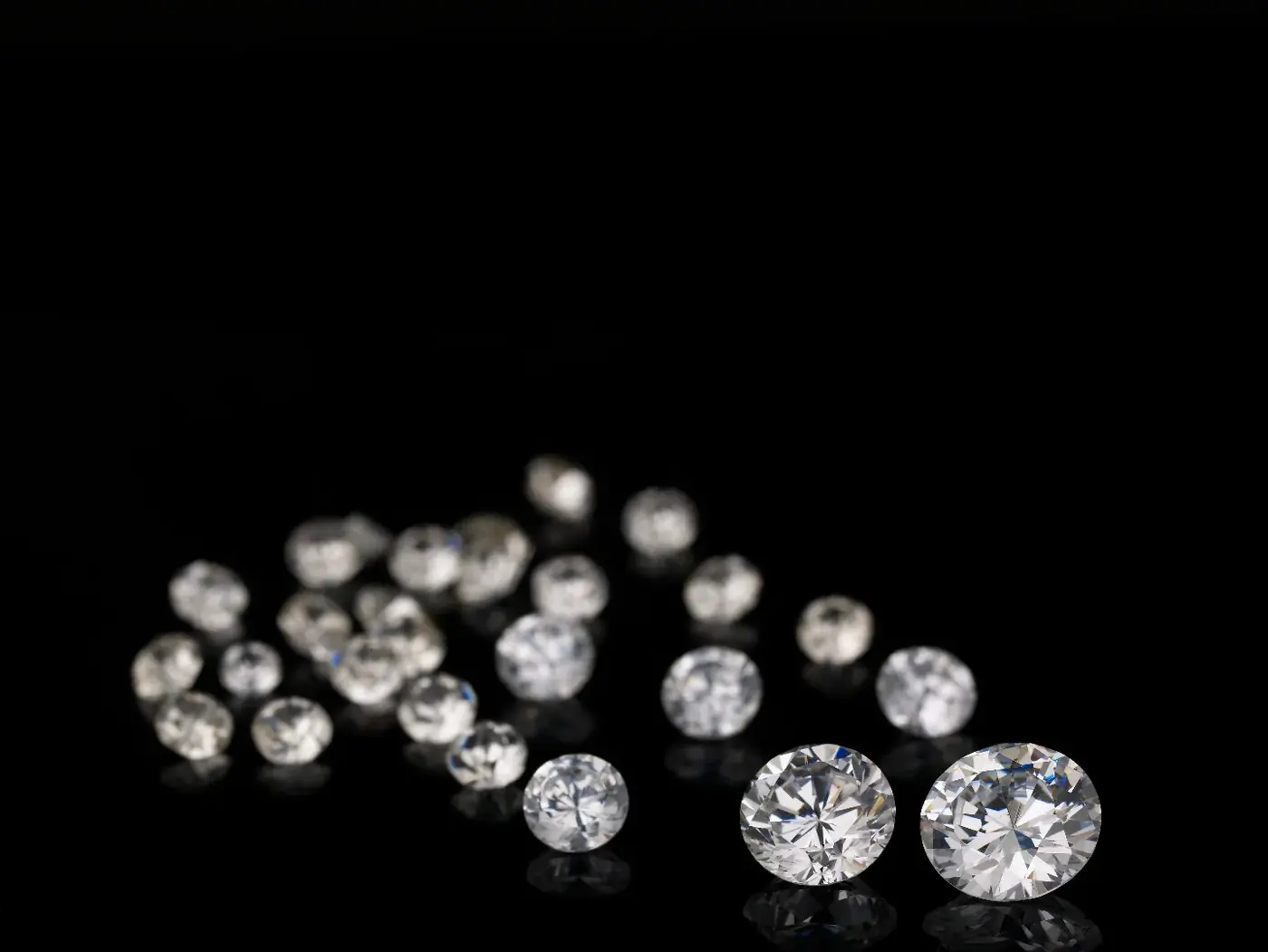
A grading report is an independent description of a diamond: its weight, measurements, cut, colour and clarity grades, and a plot of its inclusions. It does not give the stone a price or tell you if you will love it. It confirms what the stone is, so you can compare it fairly with others.
Start with the measurements and weight. Then read the clarity plot, which maps inclusions on a diagram, and note where they sit. An inclusion near the edge is often hidden by a prong, while one under the table is easier to see.
Reports differ between laboratories, and grades from one lab are not always read the same way as another's. We do not make claims about specific labs here. Ask us which reports accompany the stones in store.
A report is a tool, not a verdict. Hold the stone beside others and trust your eyes as well as the paper.
From stone to finished ring
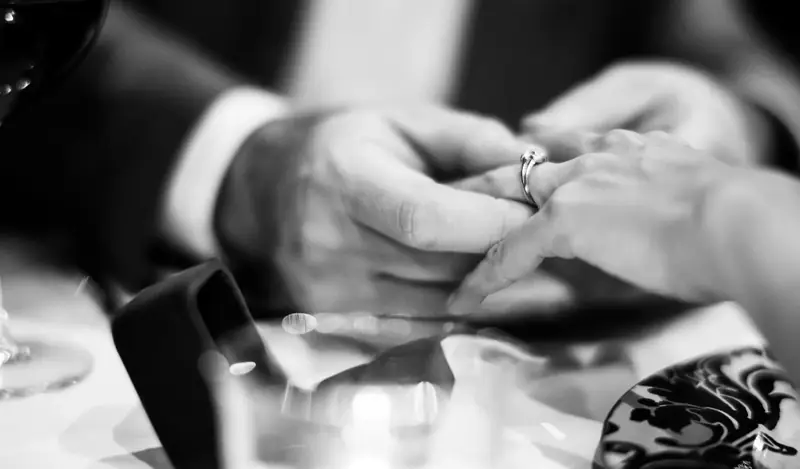
Once you have chosen a stone, the setting is next. We talk through metal, head style, band width and ring size, and then the piece is made to suit the stone. Timing and cost depend on the design, so we discuss both in person. Expect questions before any work begins, and bring a photo or a sketch if you have one.
We start with what the stone needs. A larger diamond may call for stronger prongs. A smaller one can shine in a halo or a pavé band. The setting should flatter the stone, not compete with it.
Then comes the metal. Yellow gold, white gold, rose gold and platinum all change how a stone reads. See our wedding bands page if you are matching a band to the ring, or our engagement rings page for styles.
For custom work beyond a ring, our custom jewellery page explains how a piece goes from sketch to setting. We do not quote timeframes online, because they depend on the design.
The right setting makes a good stone look better.
Explore the range
Questions, answered
Where can I buy loose diamonds Toronto jewellers display?
Lucio's Gold, a family-owned jewellery store at 7800 Woodbine Ave in Markham, works with loose diamonds and serves the GTA. We hand-pick stones with the highest-quality cuts and spend time explaining quality versus cost. Call (905) 475-1702 to ask what we can show you, and compare with other jewellers too.
Do you sell a lab grown diamond?
Yes. We supply both lab grown and natural diamonds, and we explain the difference plainly so you can choose for your own reasons. Come to 7800 Woodbine Ave in Markham or call (905) 475-1702 and we will show you both. We do not list brands or prices on this page.
Is a lab grown diamond a real diamond?
Yes. A lab grown diamond has essentially the same chemical composition and crystal structure as a mined diamond, which GIA also notes. The difference is origin, and sellers must disclose it. Price, resale and personal values differ, so decide what matters to you and ask for the origin in writing.
Is diamond wholesale Toronto buyers search for cheaper?
Wholesale prices are trade prices, and a lower number does not always mean better value. Cut quality, the grading report and disclosure all change what a stone is worth to you. We do not promise discounts. We do hand-pick stones and explain the differences, and we encourage you to compare quotes carefully.
What are the 4Cs of a diamond?
They are cut, colour, clarity and carat weight, the standard way GIA describes diamond quality. Cut shapes sparkle, colour runs from D to Z, clarity covers inclusions and carat is weight, where one carat equals 200 milligrams. Cut is the one that most affects how a stone looks, so give it priority.
Which C matters most when choosing a diamond?
For most buyers it is cut, because it determines how well the stone handles light. A well-cut diamond of modest colour and clarity often looks livelier than a poorly cut one with higher grades. After cut, choose colour and clarity to match your budget and the metal you plan to use.
Can I choose the diamond and then design the ring?
Yes, and many people prefer it. Pick the stone first, then choose the setting, metal and band to suit it. You can sketch ideas in our 3D ring creator, which shows no prices and sends a design brief. We then discuss the details and a written quote with you in person.
Is a synthetic diamond in Canada the same as lab grown?
Yes. Synthetic diamond is the trade's older word for a diamond grown in a laboratory. Canadian jewellers' guidance says the stone should be described as lab grown, lab created or synthetic, placed right before the word diamond. Ask for the origin on your receipt. We supply lab grown and natural stones.
Can a lab grown diamond go in an engagement ring?
Yes. It sets into a ring like any other diamond, in the same prongs, bezels and metals. Choose the stone first, then the setting and band. Our page on lab grown diamond rings covers the details, and you can sketch ideas in our 3D ring creator, which shows no prices.
Do you offer ring resizing and appraisals for diamond jewellery?
Yes. We resize rings and write jewellery appraisals, so a diamond ring you buy or already own can be fitted and described on paper. Bring it to 7800 Woodbine Ave in Markham or call (905) 475-1702. We do not publish prices or timing here, because both depend on the piece.
Book a private consultation
Tell us about lab grown diamond or natural? loose stones, explained honestly. Call (905) 475-1702 or visit 7800 Woodbine Ave in Markham, and a jeweller replies the same business day.
7800 Woodbine Ave, Markham, ON L3R 2N7
(905) 475-1702