Sterling silver jewelry and pearls in Markham
Sterling silver jewelry and pearl jewelry sit side by side at Lucio's Gold in Markham, where you can compare silver and pearls in person and learn what 925 means.
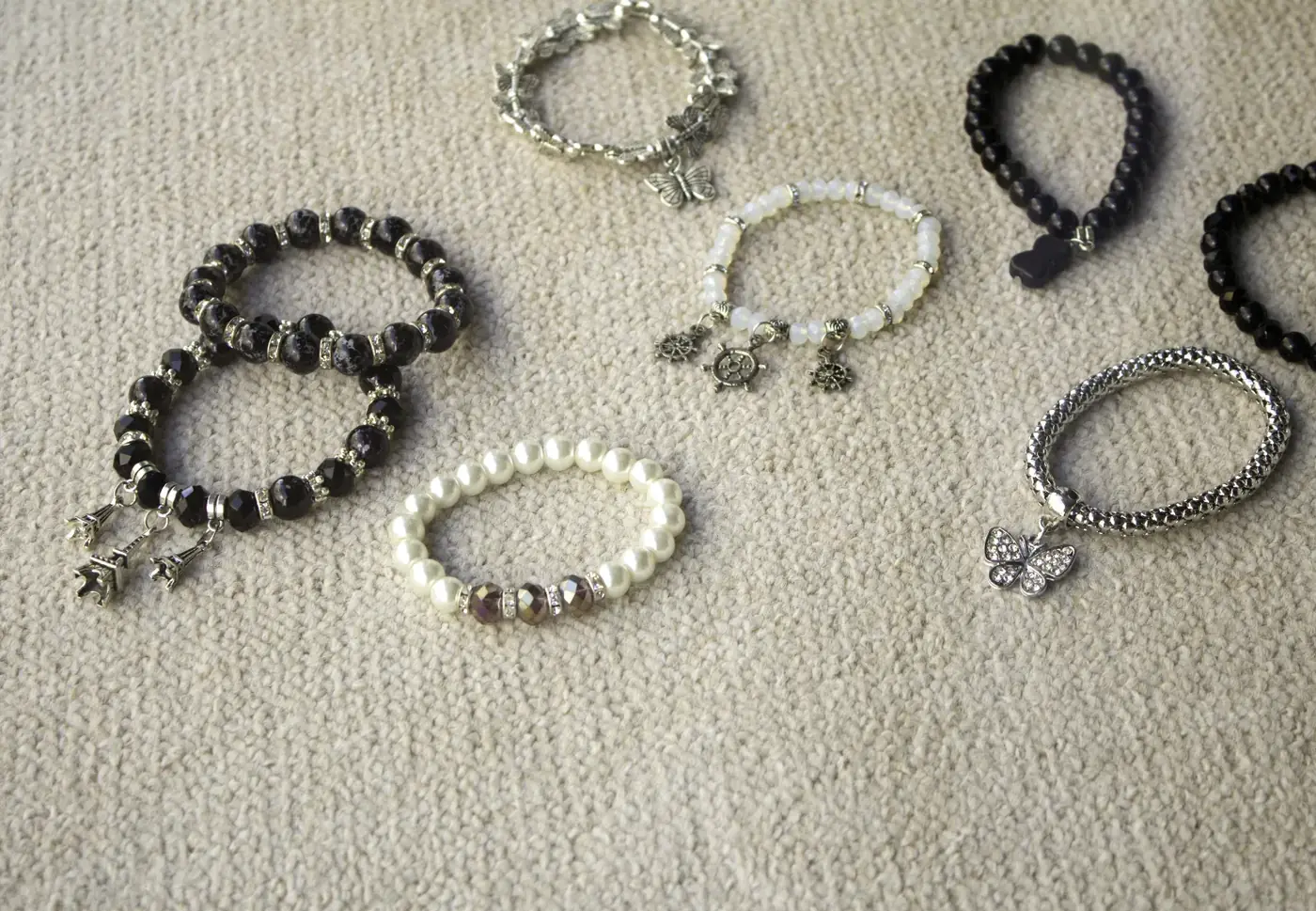
Sterling silver jewelry: judged in your hand
Sterling silver jewelry is best judged in your hand and in daylight, where you can see the finish, the weight and the construction. Lucio's Gold, a family-owned shop at 7800 Woodbine Ave in Markham, has served the Greater Toronto Area for more than 30 years. Come in and compare pieces side by side.
Silver looks similar in a photo and different on the wrist, so come and try it on. Weight, thickness and the quality of the clasp all show up in person. A thin ring that looks delicate on screen can bend easily in daily wear.
We like to spend time on quality versus cost, so you understand why two pieces differ. We also encourage you to shop around and compare, and to ask every shop the same questions.
Pearls sit beside the silver in our range, and together they cover everyday pieces and pieces for special evenings.
Sterling is also a friendly place to begin if you are new to fine jewellery. It lets you try a style, a width or a length before you move to a more costly metal. Many people keep their first silver piece for years and are still wearing it long after they have moved on to finer things.
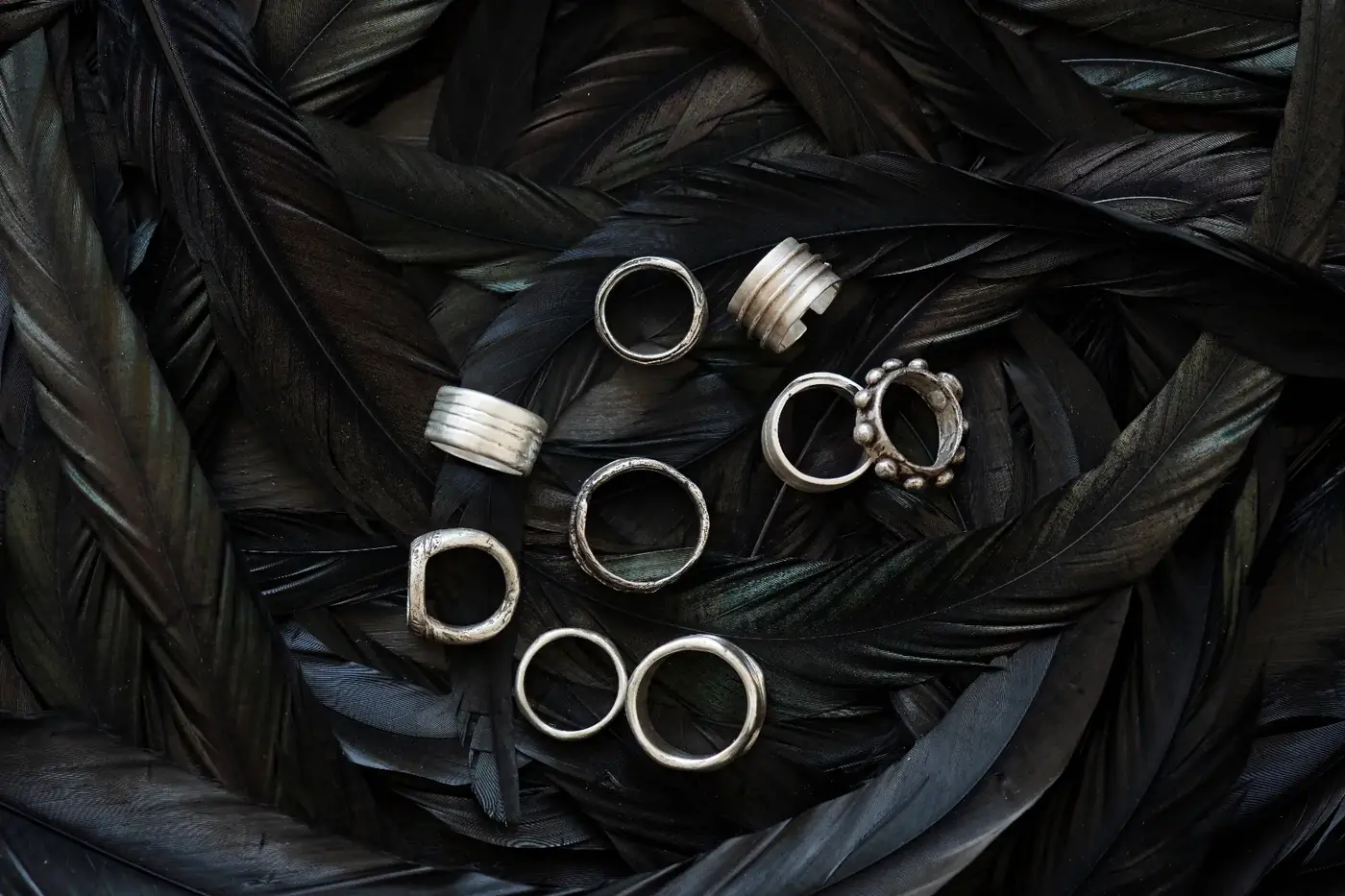
What 925 means in sterling silver 925 jewelry
Sterling silver is an alloy of 92.5 percent silver and 7.5 percent other metal, usually copper. That is why you see 925 stamped on sterling silver 925 jewelry. Pure silver is too soft for most pieces, and the added metal gives rings and chains the strength to keep their shape.
The stamp may read 925, .925, S925 or sterling. It is usually small and found on a clasp, a band or a tag. If a piece has no mark, ask the seller to explain why.
Copper darkens when it meets air and moisture, so sterling silver tarnishes. That is a normal reaction, not a flaw in the piece. A soft cloth brings the shine back.
Some modern silver alloys swap copper for other metals to slow tarnish. If you have sensitive skin or a nickel allergy, tell us and we will talk through your options.
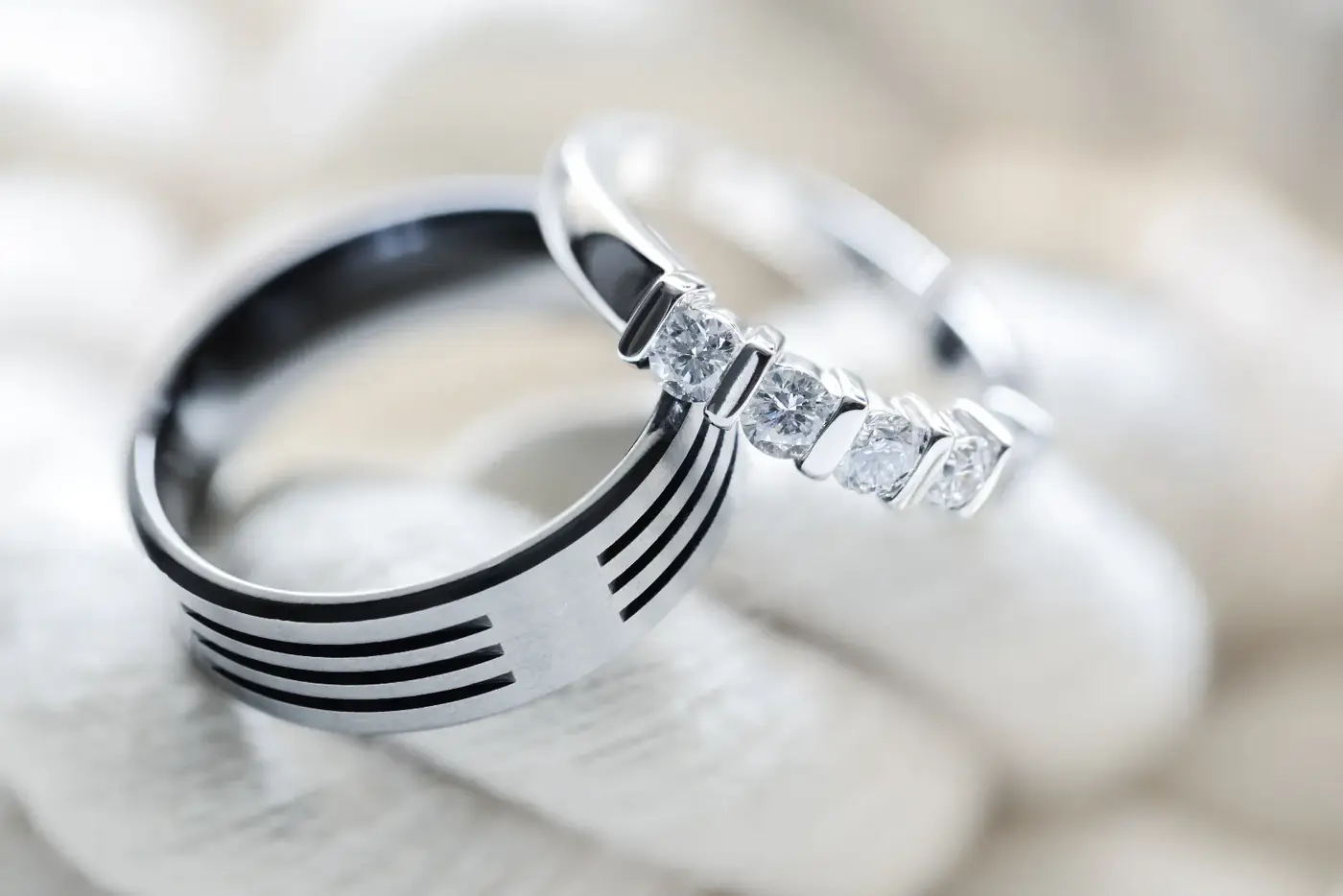
Silver jewelry in Canada: what to look for
When you shop for silver jewelry in Canada, look for a 925 stamp, a sturdy clasp, even finishing and a weight that suits the piece. Ask the seller to explain the stamp. Compare thickness across pieces, because thin silver bends and thick silver lasts.
Check the details that do not photograph well. Run a finger along the inside of a ring for rough spots. Open and close the clasp several times. Look at the soldered joins on chains.
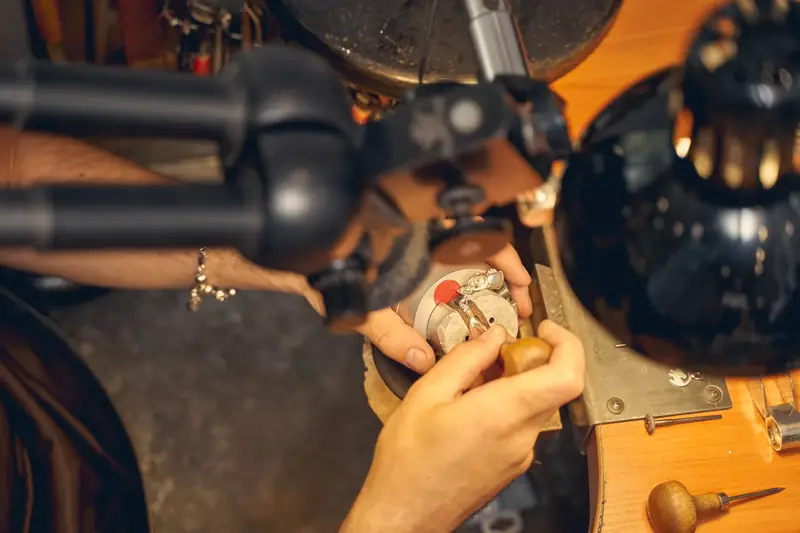
If you already own silver you wonder about, bring it in. We write jewellery appraisals and can look at what you have. Our jewellery repair bench handles pieces that have loosened or broken.
If a silver ring no longer fits, we resize rings. Read about ring resizing first, or just call.
Silver pairs well with stones. Clear stones look crisp against it, and coloured stones stand out. If you want a silver setting made for a stone you own, bring it and we will talk about the options.
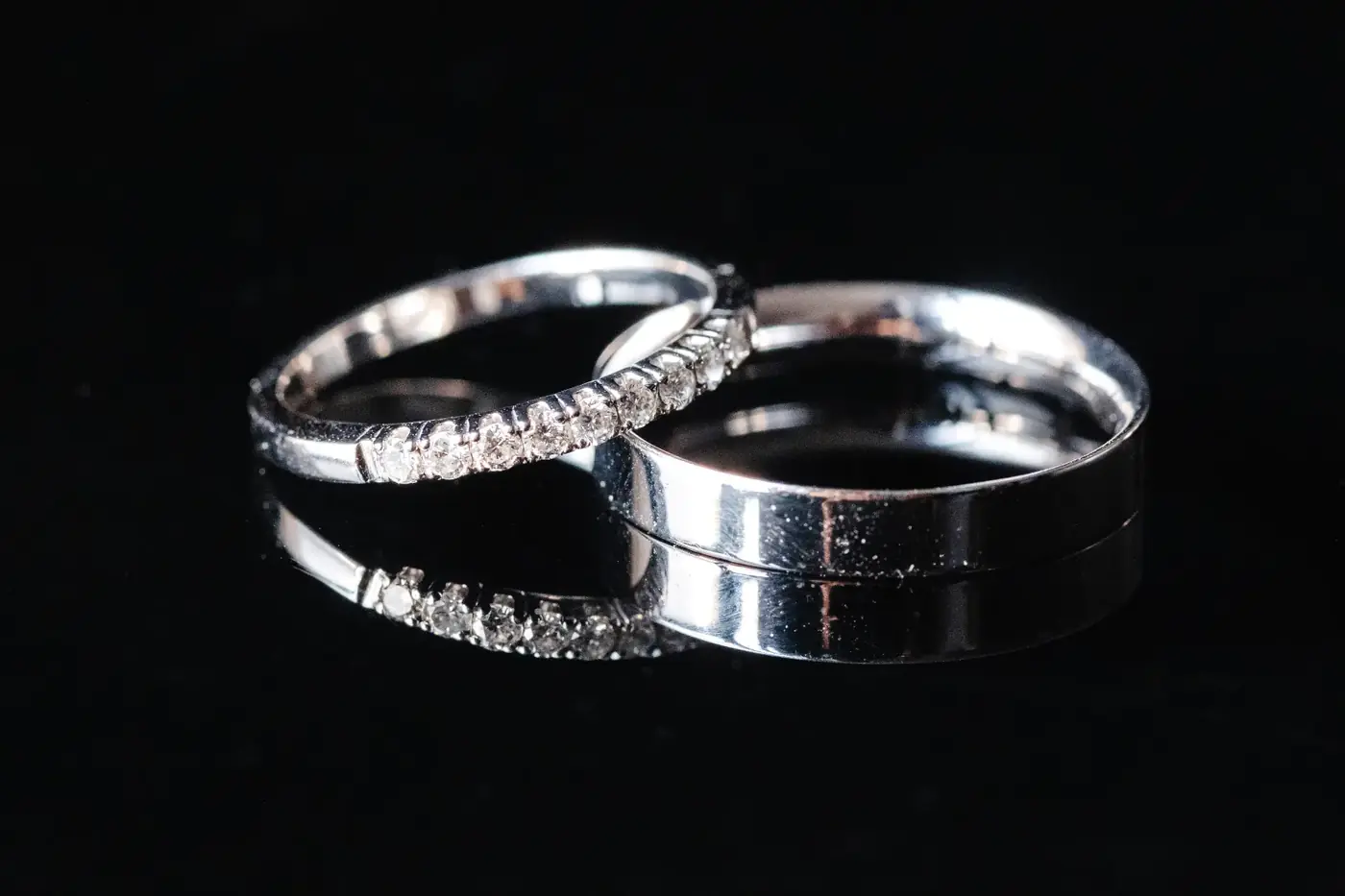
Pearl jewelry Canada shoppers ask about: the main types
Pearls are grouped by where they grow and how. Cultured pearls grow in oysters or mussels with human help. Natural pearls form without it and are far rarer. The main cultured types are Akoya, freshwater, Tahitian and South Sea, and each has its own size, colour and character.
Akoya pearls come from saltwater oysters, mostly in Japan and China. They are usually round with a sharp lustre and run about 6 to 9 millimetres. Freshwater pearls grow in mussels, mostly in China, in many shapes and natural colours.
Tahitian pearls come from French Polynesia and are known for dark shades. South Sea pearls, with Australia the largest producer, are among the biggest.
Pearl jewelry Canada shoppers see is made with pearls grown in places such as Japan, China, French Polynesia and Australia. Where a pearl grew tells you a lot about its size and colour, and each one carries a little of that place.
A note on names: some freshwater pearls are sold as freshwater Akoya, which GIA calls a misnomer. Ask any seller to explain exactly what a pearl is.
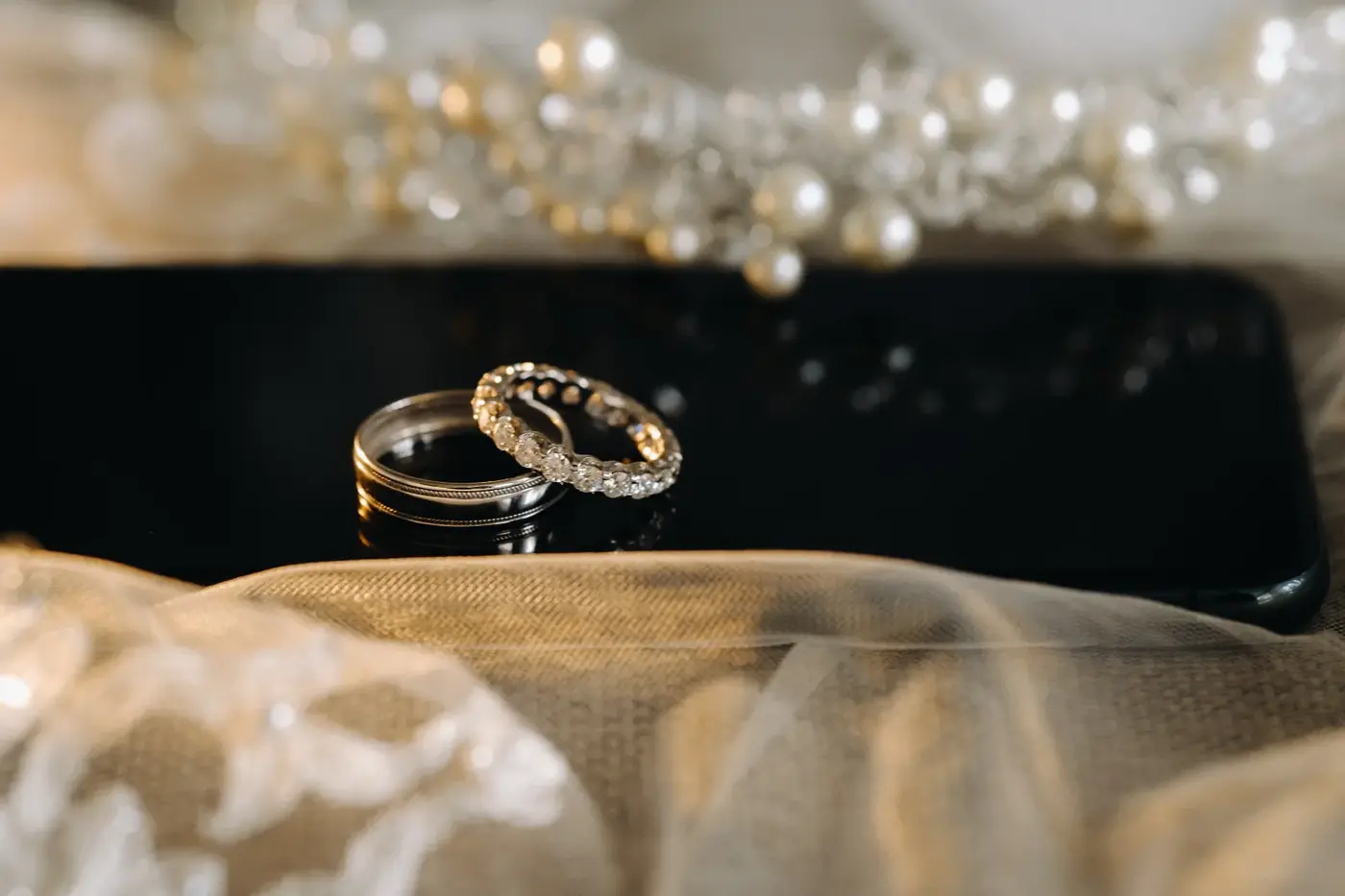
| Type | Where it grows | Typical character |
|---|---|---|
| Akoya | Saltwater, mainly Japan and China | Round, sharp lustre, about 6 to 9 mm |
| Freshwater | Mussels, mainly China | Many shapes and natural colours |
| Tahitian | French Polynesia | Darker shades, larger sizes |
| South Sea | Saltwater, Australia the largest producer | Among the largest pearls |
Pearl jewelry Toronto buyers can see up close
Pearl jewelry Toronto shoppers choose is best seen in person, in daylight. A pearl photographs flatter than it looks in life. Its glow comes from light moving through thin layers of nacre, and a screen cannot show that depth. At our counter you can compare two pearls side by side and see the difference within seconds.
Look at a pearl under a window and turn it slowly. Check the surface for dents, spots and ridges. Check how sharp your reflection looks in it. A bright, clear reflection points to strong lustre.
Ask where a pearl was grown and whether anything was done to its colour. Many freshwater pearls are dyed, and a good seller will tell you plainly. We would rather you ask than wonder, and no question is too small.
We have served the GTA for more than 30 years, and we like to show you what to look for and let you hold the strand yourself.
Pearls also suit more occasions than most people expect. A single strand dresses up a plain shirt, and a pair of studs works with a work outfit. Try them in a mirror under the same light you will wear them in, and see how they glow against your skin.
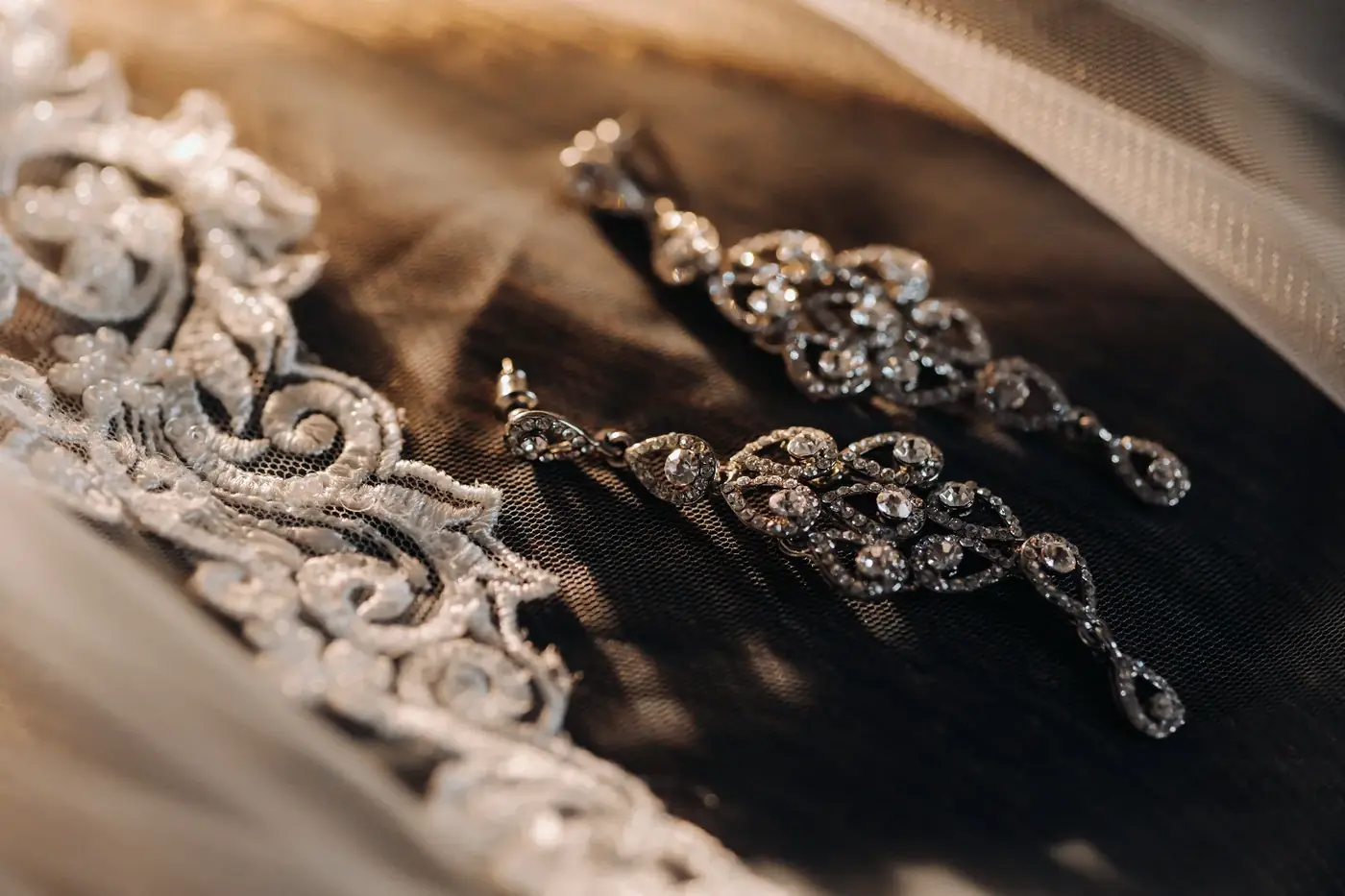
Judging pearl quality: lustre, surface, shape and colour
Pearl quality rests on lustre, surface, shape, colour, size and nacre. Lustre is the glow and the sharpness of reflections. Surface is how clean the skin looks. Shape runs from round to baroque. Colour includes the body tone and any overtone, a soft secondary shade that floats on top.
GIA's pearl value factors give a common language for these qualities. You do not need to memorize them. You need to compare two pearls under the same light and notice which one glows from within.
A perfectly round pearl is not always the better pearl for you. Baroque and off-round shapes have a character of their own and can look modern in a simple silver setting.
Size is measured in millimetres across the pearl. A difference of one millimetre changes how a stud sits on the ear. Try sizes side by side before you commit.
Check how the pearls are drilled and mounted too. A clean, centred hole and a snug setting mean the piece will sit straight when worn. Ask us to point out these details on any piece you are considering, and we will show you.
Pearl necklaces and pearl earrings: two guides
Pearls are worn most often as a necklace or as earrings, and each has its own page. Our pearl necklaces guide covers length, matching and the thread. Our pearl earrings guide covers studs, drops and settings. Read the one that matches the piece you want.
Start with pearl necklaces if you are weighing strand length and pearl size. The page explains matching, knots and clasps.
Move to pearl earrings for studs, drops and the backs that hold them. Both guides are written so you arrive at the counter with good questions.
If you want a pearl piece made to your own idea, our custom jewellery service can talk through what is possible.
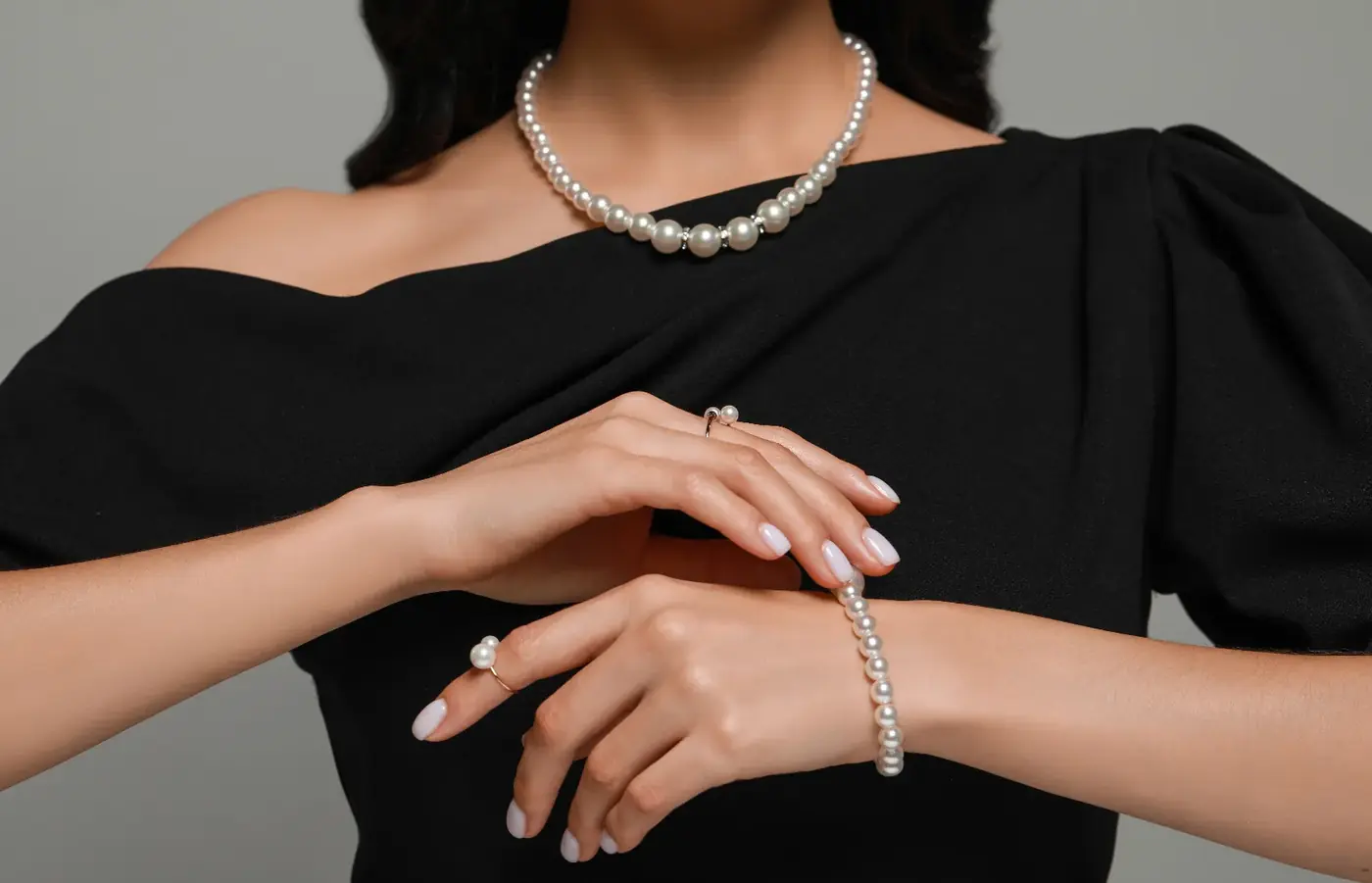
Silver rings and silver chains: two more guides
Silver is worn daily as rings and chains, and each has its own page. Our silver rings guide covers width, fit, finish and wear. Our silver chains guide covers link styles, strength and tarnish. Choose the page that matches what you are shopping for.
Read about silver rings for stacking bands and statement pieces, and how sterling holds up to daily wear.
Read about silver chains for link families, clasps and the way silver darkens where it touches skin.
Both pages sit under this one and link back to it, so you can wander freely between them.
Sterling is also easy to mix with the rest of your jewellery. A silver chain suits both a pendant and a bare collar. A plain silver band sits well next to a gold watch or a pearl bracelet.

Silver, gold and pearl together
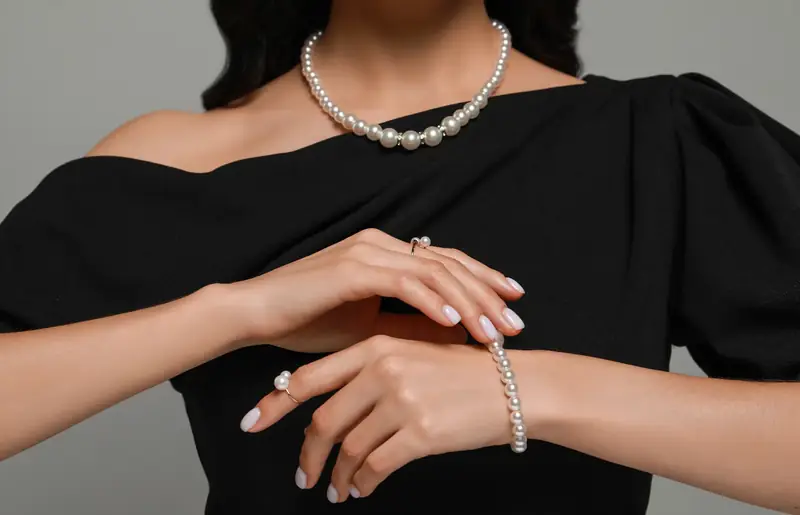
Silver, gold and pearls work well together when you balance warm and cool tones. Pearls suit both metals. A silver chain with a pearl pendant looks crisp, and the same pearl on gold looks softer. Mixed metals are a legitimate style when you repeat each metal at least twice.
Think of a collection in layers. A pair of pearl studs for every day. A silver chain that goes with everything. A gold piece for the days you want warmth.
Browse our gold jewellery beside the silver and pearl pieces so you can see the colours together. Hold two pieces against your wrist and decide which tone you prefer.
Gifts follow the same logic. A pearl pendant marks a milestone quietly, and is the sort of gift a granddaughter inherits. A silver ring suits a younger wearer who will enjoy it without worry.
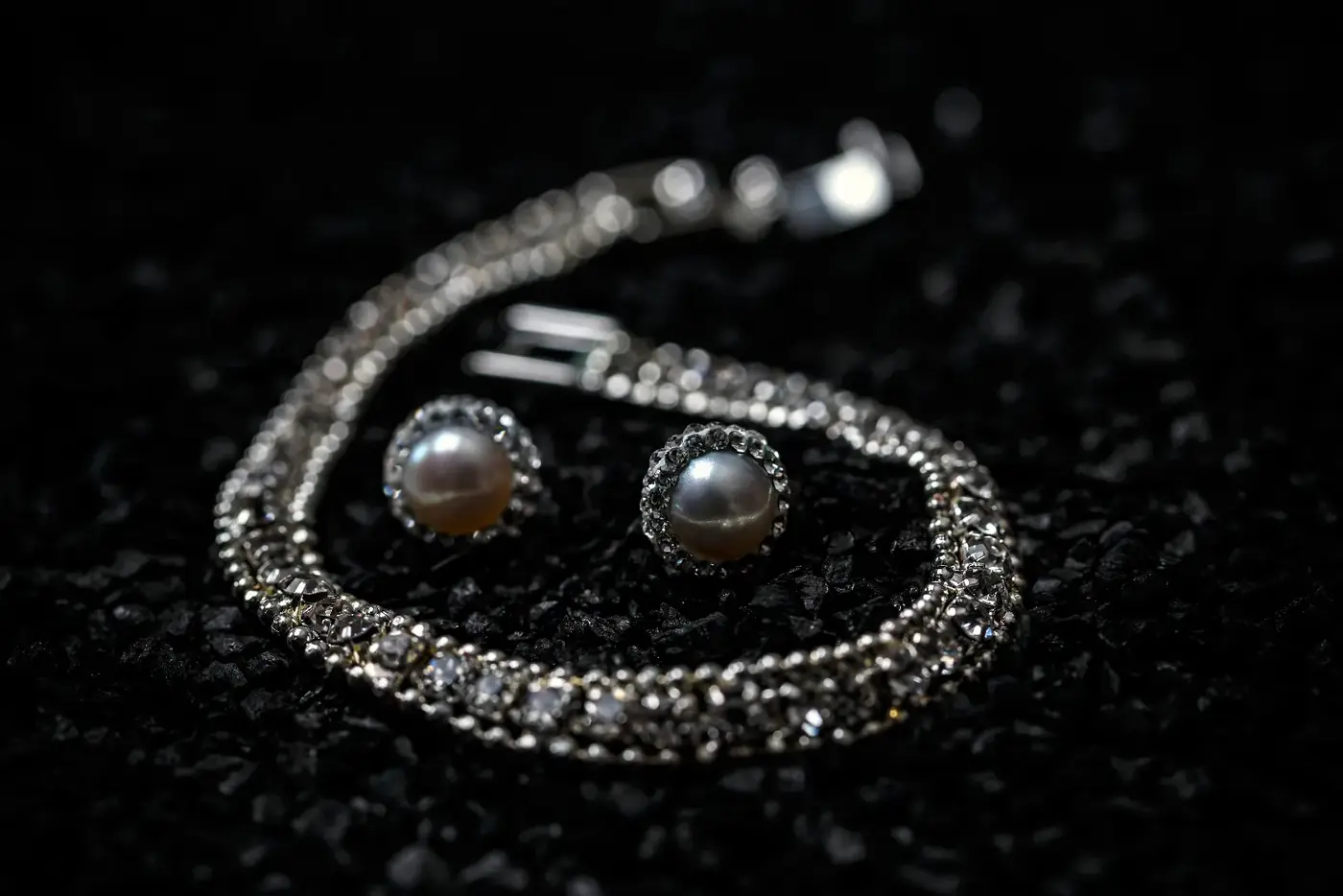
Caring for silver and pearls: different rules
Silver wants a soft polishing cloth and dry storage. Pearls want a gentler approach: wipe them with a soft damp cloth after wearing, and keep them away from perfume, hairspray and harsh cleaners. Pearls are soft and organic, and chemicals dull their surface.
Put pearls on last when you dress and take them off first. Store them flat or in a soft pouch, apart from harder jewellery that can scratch them.
For sterling silver, keep pieces in a dry place and wipe them after wearing. Avoid wearing silver in the pool or hot tub.
Our guide to cleaning jewelry at home covers the general rules. When something looks beyond a gentle wipe, bring it to us. Call (905) 475-1702 to arrange a visit at 7800 Woodbine Ave.
Questions, answered
What does 925 mean on sterling silver jewelry?
925 means the piece is sterling silver, which is 92.5 percent silver mixed with 7.5 percent other metal, usually copper. The other metal adds strength, since pure silver is too soft for most jewellery. You will often see 925 stamped on a clasp or the inside of a ring.
Where can I buy silver jewelry in Canada near Toronto?
You can see silver jewelry in person at Lucio's Gold, 7800 Woodbine Ave in Markham, which serves the whole Greater Toronto Area. Call (905) 475-1702 to arrange a visit. Look for a 925 stamp, a sturdy clasp and even finishing, and ask us to explain anything you see.
What are the main types of pearls?
The main cultured types are Akoya, freshwater, Tahitian and South Sea. Akoya pearls are round and bright and usually 6 to 9 millimetres. Freshwater pearls come in many shapes. Tahitian pearls are known for darker shades, and South Sea pearls are among the largest. Natural pearls are much rarer.
Where can I see pearl jewelry in Canada near Toronto?
You can see pearl jewelry in Toronto and across the GTA at Lucio's Gold, 7800 Woodbine Ave in Markham. Call (905) 475-1702 to arrange a visit. We will help you compare lustre, surface and shape, and explain how each pearl type differs.
Why does my sterling silver turn dark?
Sterling silver turns dark because the copper in it reacts with air and moisture, which is called tarnish. It is normal and does not harm the piece. A soft polishing cloth removes light tarnish. Dry storage and wiping after wear slow it down.
Can you resize a silver ring or repair a pearl necklace?
Yes. We resize rings and we repair rings, necklaces and bracelets, including silver and pearl pieces. Show us the item and we will explain what we see. Call (905) 475-1702 to arrange a visit so someone is ready to look at it with you.
Can I get a silver or pearl piece valued?
Yes. We write jewellery appraisals, including for silver and pearl pieces you already own. Bring the piece in and we will look at it with you. Call (905) 475-1702 to arrange a visit so someone is ready to give you their full attention, and bring any paperwork you already have.
Book a private consultation
Questions about sterling silver jewelry and pearls in markham? Send the form, ring (905) 475-1702, or drop by 7800 Woodbine Ave. A real person writes back, usually within the business day.
7800 Woodbine Ave, Markham, ON L3R 2N7
(905) 475-1702