Diamond shapes, compared side by side
Diamond shapes decide how a ring looks before colour or clarity ever enter the conversation. This guide compares each outline, shows how carat weight changes size, and helps you choose with confidence.
What a diamond shape actually means
A diamond shape is the outline of the stone seen from above: round, oval, emerald, pear and so on. It is not the same as cut. Shape is the silhouette you choose, while cut grade describes how well the facets inside that silhouette are proportioned and polished to return light.
People often use the two words as if they were one. They are separate decisions, and mixing them up is the most common mistake we hear at the counter.
Shape is personal taste, the part you will smile at every morning. Cut is craftsmanship. A beautiful oval with weak proportions will still look flat, and a round with excellent proportions in a plain setting will still sparkle.
The Gemological Institute of America groups the shapes into brilliant cuts, with triangular and kite shaped facets that favour sparkle, and step cuts, with long parallel facets that favour clarity and flashes of light. That one distinction explains most of how each shape behaves.
A diamond shapes chart for quick comparison
This diamond shapes chart lines up the ten outlines you will meet most often, with the facet style and the trait that matters when you wear the ring. Use it to narrow the field to two or three shapes, then look at real stones in the light before you decide.
No chart replaces seeing the stone. It does help you arrive with a short list instead of a blur of options, and that makes the choice calmer.
| Shape | Facet style | What to know |
|---|---|---|
| Round | Brilliant | Most sparkle, easiest to resell, usually costs more per carat |
| Oval | Brilliant | Elongated outline that can make a finger look longer |
| Emerald | Step | Hall of mirrors look, shows clarity, needs a cleaner stone |
| Cushion | Brilliant | Soft square with rounded corners, warm and romantic |
| Princess | Brilliant | Sharp square corners, modern look, corners need protective prongs |
| Pear | Brilliant | Teardrop with one point, flatters a longer hand |
| Marquise | Brilliant | Boat shaped, large face for its weight, pointed ends are vulnerable |
| Radiant | Brilliant | Rectangular with cut corners, strong colour and sparkle |
| Asscher | Step | Square step cut with a deep, geometric glow |
| Heart | Brilliant | Distinct and sentimental, needs a larger stone to read clearly |
The most popular diamond shapes and why they last
Round brilliant remains the shape most people picture first, and it has led the trade for generations. Oval, cushion, emerald and pear are the other most popular diamond shapes you will hear requested. Each earned its place by balancing sparkle, wearability and how large the stone looks on the hand.
Round is the benchmark. Its symmetry gives it the most efficient light return of any outline, which is why it is the shape GIA built its cut grading scale around.
Oval has become a favourite because it offers a round diamond's sparkle in a longer form. Our page on oval engagement rings covers how that outline wears.
Emerald cuts appeal to people who like clean lines and a quieter, glassy glow. See our guide to emerald cut engagement rings if that sounds like you.
Choose the shape you keep looking at, not the one you think you should want.
Choosing the best diamond shape for engagement ring wear
The best diamond shape for engagement ring wear is the one that suits the wearer's hands, daily routine and taste. There is no single winner. Think about how active she is, how the shape sits on her finger, which setting you prefer and how much of your budget you want in the stone.
Start with lifestyle. A rounded outline such as round, oval or cushion has no sharp corners to catch on knitwear, so it suits hands that are always working.
Then look at the finger. Elongated shapes like oval, pear and marquise tend to lengthen a short finger. A wide, short stone can sit flatter on a slim hand.
Finally, consider the setting. A classic solitaire engagement ring shows off the outline completely, while a halo adds sparkle around it. Try our 3D engagement ring creator to see a shape in a setting before you commit.
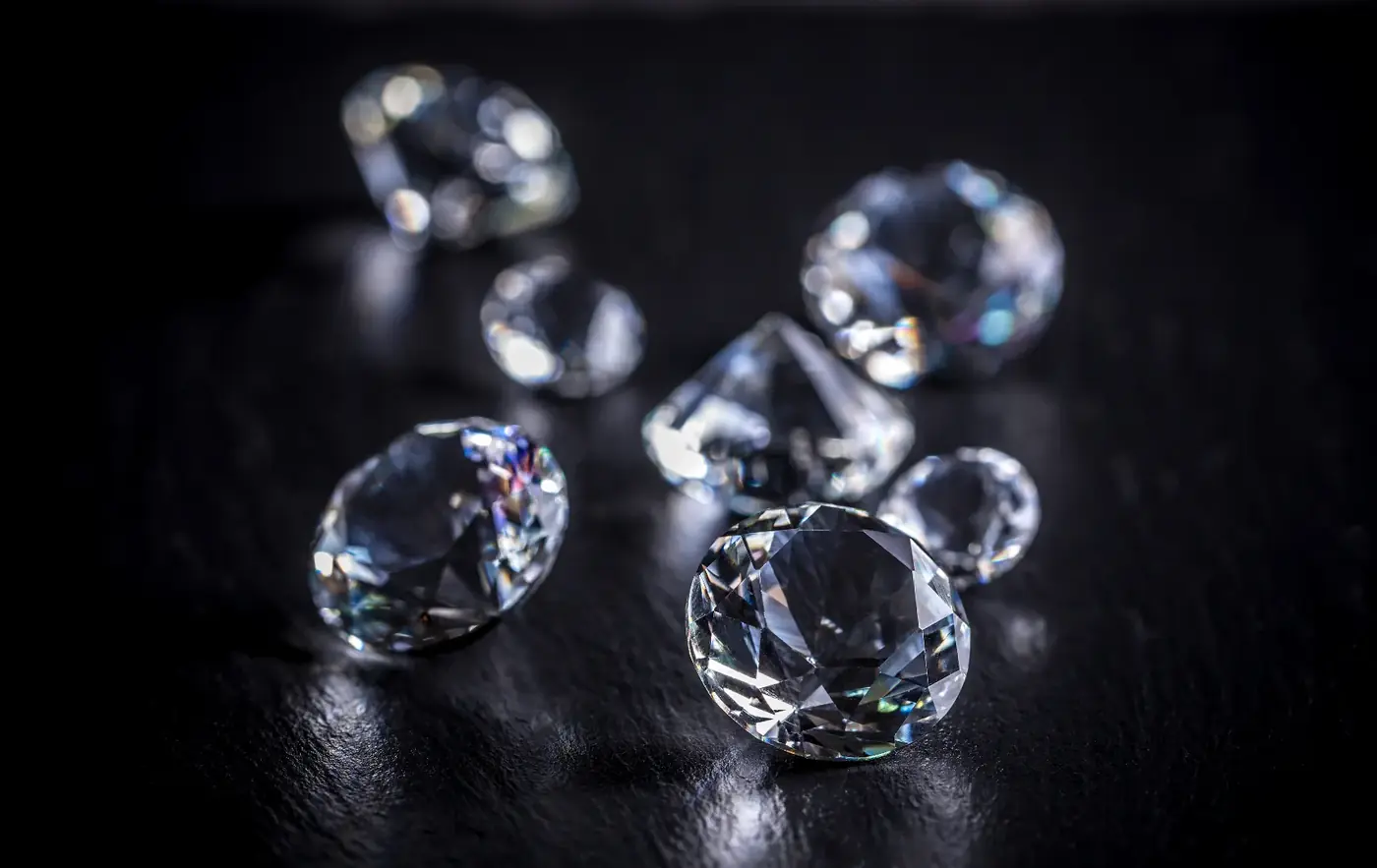
A diamond carat size chart for round stones
Carat is weight, not size, so a diamond carat size chart translates weight into millimetres across the top of the stone. For a well cut round diamond, half a carat measures about 5.0 mm and one carat about 6.4 mm. Two carats is about 8.1 mm, so doubling the weight does not double the width.
The GIA defines one carat as 200 milligrams. Size depends on how that weight is spread, which is why cut quality changes the diameter slightly.
These figures are typical for well proportioned rounds. A deeply cut stone hides weight below the surface and looks smaller from above.
| Carat weight | Approximate diameter | Note |
|---|---|---|
| 0.50 ct | 5.0 mm | A delicate, everyday size |
| 0.75 ct | 5.8 mm | A common step up in presence |
| 1.00 ct | 6.4 mm | The classic benchmark |
| 1.50 ct | 7.4 mm | Noticeably larger across the finger |
| 2.00 ct | 8.1 mm | A bold stone with a wide face |
Why fancy shapes look bigger or smaller than their carat weight
Fancy shapes spread their weight differently from a round. Ovals, marquise and pear cuts have a larger face-up area for the same carat weight, so they look bigger. Cushions and emerald cuts with deep proportions look smaller. Always compare the millimetre measurements of a specific stone, not just its weight.
Length to width ratio matters as much as carat. An oval that is too round loses its elegance, and one that is too narrow can look thin.
Ask for the stone's length, width and depth in millimetres. A good jeweller will give them without fuss, and they tell you more than weight alone.
We hand-pick our diamonds for the highest-quality cuts and spend time on quality versus cost, so you understand what you are paying for before you pay for it.
Shape first, then cut quality, then the rest
Once you have a shape, judge the cut inside it. Look for even brightness, no dark patches across the centre and no bow-tie shadow in ovals or pears. Colour, clarity and carat come after. A well cut stone in a modest grade usually outshines a poorly cut stone in a higher one.
Elongated brilliants can show a dark bow-tie across the middle. A slight one is normal, while a heavy one dulls the stone.
For the grading scales themselves, read our diamond 4Cs guide. It explains why cut earns priority over the other three.
If you would like to compare options, our loose diamonds page explains how we approach choosing a stone. We supply lab-grown and natural diamonds, and our guide to natural versus lab-grown diamonds sets out the differences.
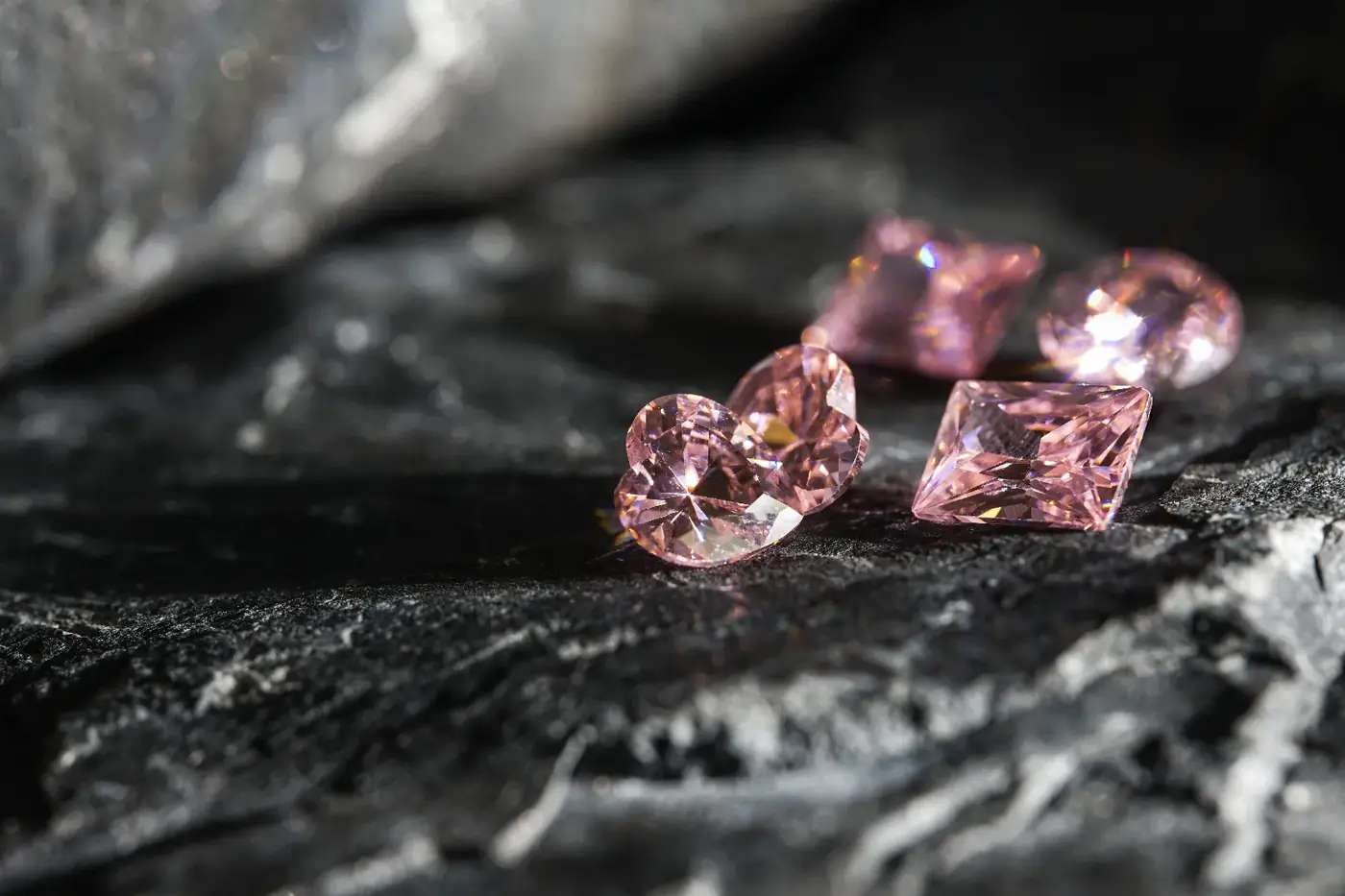
How to shortlist shapes before you visit
Pick your top two shapes, note a rough budget range and write down the ring size. Photos of jewellery the wearer already owns help more than words. Bring those to a consultation and you can compare real stones side by side, instead of guessing from images on a screen. Ask anything, and take your time.
Call (905) 475-1702 or visit 7800 Woodbine Ave in Markham. Come and try a few shapes on your own hand. We will talk through each one, show you how it wears and explain the trade-offs plainly.
If the stone is already chosen, we also do ring resizing and jewellery appraisals, so the ring can be fitted and documented afterward.
- Collect two or three photos of rings she has admired.
- Note whether her current jewellery is white, yellow or rose metal.
- Check her ring size, or borrow a ring she wears on that finger.
- Decide which matters more: a larger face or a higher grade.
- Plan to look at more than one shop. We encourage you to shop around and compare.
Questions, answered
What are the most popular diamond shapes?
Round brilliant is the most recognised shape, followed by oval, cushion, emerald and pear. Round has led for generations because it returns light so efficiently. Oval and emerald cuts have grown in interest for their length and clean lines. Popularity is a guide, not a rule, so choose the outline you like looking at.
What is the best diamond shape for an engagement ring?
There is no single best shape. Round gives the most sparkle, oval lengthens the finger, and emerald offers a quiet glassy glow. Match the shape to her hands, her daily routine and the setting you have in mind. Rounded outlines without sharp corners suit very active hands well.
Is diamond shape the same as diamond cut?
No. Shape is the outline you see from above, such as round or pear. Cut describes how well the facets are proportioned and polished, which controls brightness and fire. GIA assigns an overall cut grade only to standard round brilliants, so for fancy shapes you judge the cut by looking at the stone.
How big is a one carat diamond?
A well cut round one carat diamond measures about 6.4 mm across. Carat measures weight, so the width varies a little with cut depth. Fancy shapes such as oval or marquise can have a larger face-up area at the same weight. Always compare millimetre measurements of the exact stone.
Which diamond shape looks biggest for its carat weight?
Marquise, oval and pear shapes usually look largest for their weight because their elongated outlines spread across more of the finger. Round and princess cuts hold more weight in depth, so they look smaller from above. A shallow stone can look bigger but may lose brilliance, so balance size against cut quality.
Can I see diamond shapes in person before buying?
Yes, and we recommend it. Visit 7800 Woodbine Ave in Markham or call (905) 475-1702 to arrange a consultation. Looking at stones side by side in real light shows differences that photos hide. We also encourage you to compare options elsewhere before you decide.
Book a private consultation
Bring your idea for diamond shapes, compared side by side to the counter at 7800 Woodbine Ave, call (905) 475-1702, or start here and we will reply the same business day.
7800 Woodbine Ave, Markham, ON L3R 2N7
(905) 475-1702