How to clean jewellery at home, safely
Learn how to clean jewelry at home with warm water, mild soap and a soft brush, then see the exceptions for diamonds, gold, silver and pearls. Wrong cleaners do more harm than dirt, and a gentle routine keeps a favourite piece shining for decades.
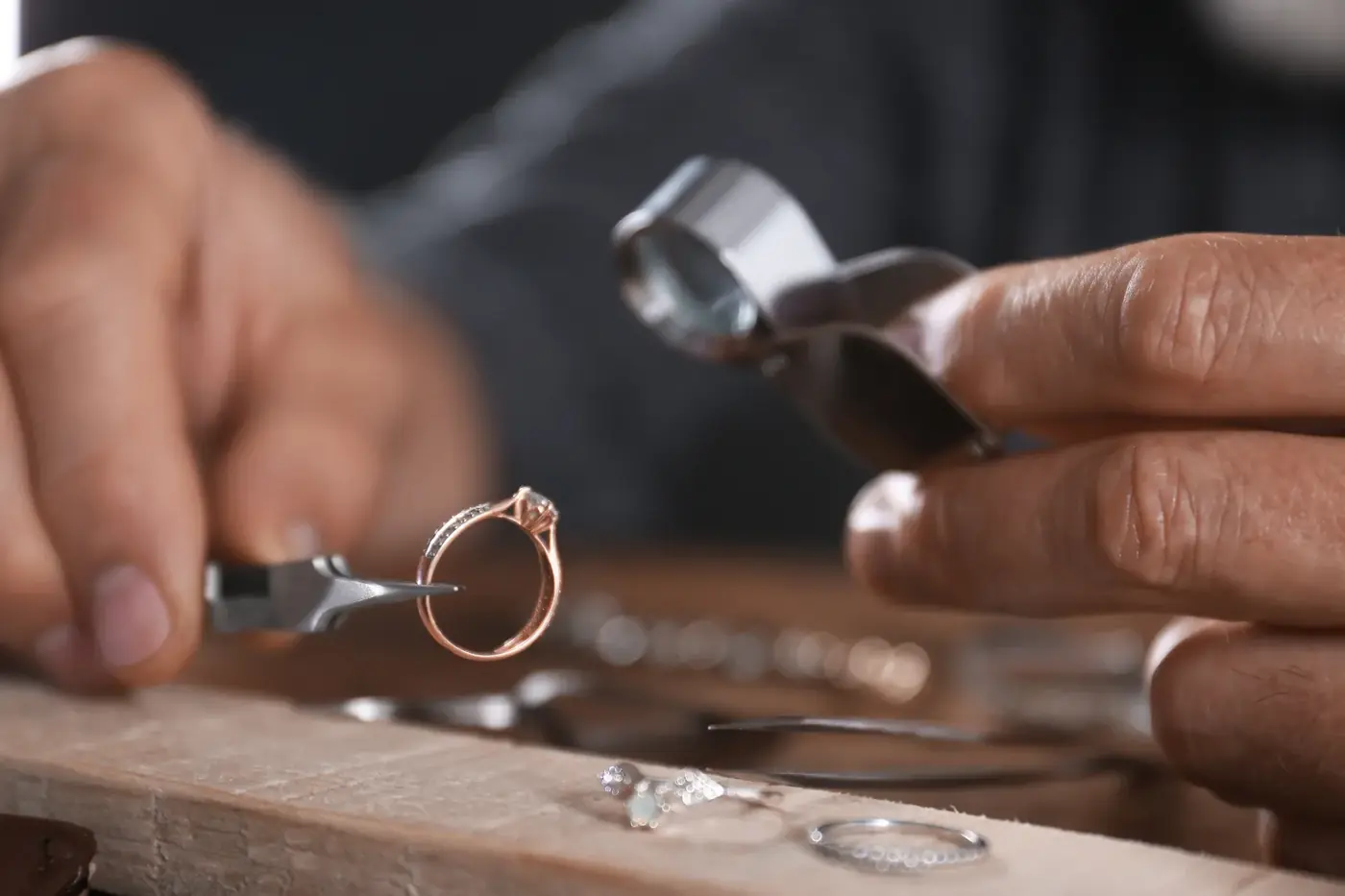
What you need before you start
You need a small bowl, warm water, a few drops of mild dish soap, a soft toothbrush kept only for jewellery, and a lint-free cloth. Work over a sink with the drain closed or a towel laid down. Skip toothpaste, bleach and abrasive powders. The gentlest method that works is the right one.
Dirt on jewellery is mostly skin oil, soap film, lotion and dust. Those lift off with warm water and a little detergent. You do not need a special solution for most pieces.
Take the piece off before you begin and look at it under a bright light. Note any loose stones, bent prongs or cracked settings. Do not clean anything that already looks damaged, because soaking can make a loose stone worse.
- Bowl of warm, not hot, water
- Mild dish soap, a few drops
- Soft toothbrush used only for jewellery
- Lint-free cloth or microfibre
- A towel or closed drain to catch dropped pieces
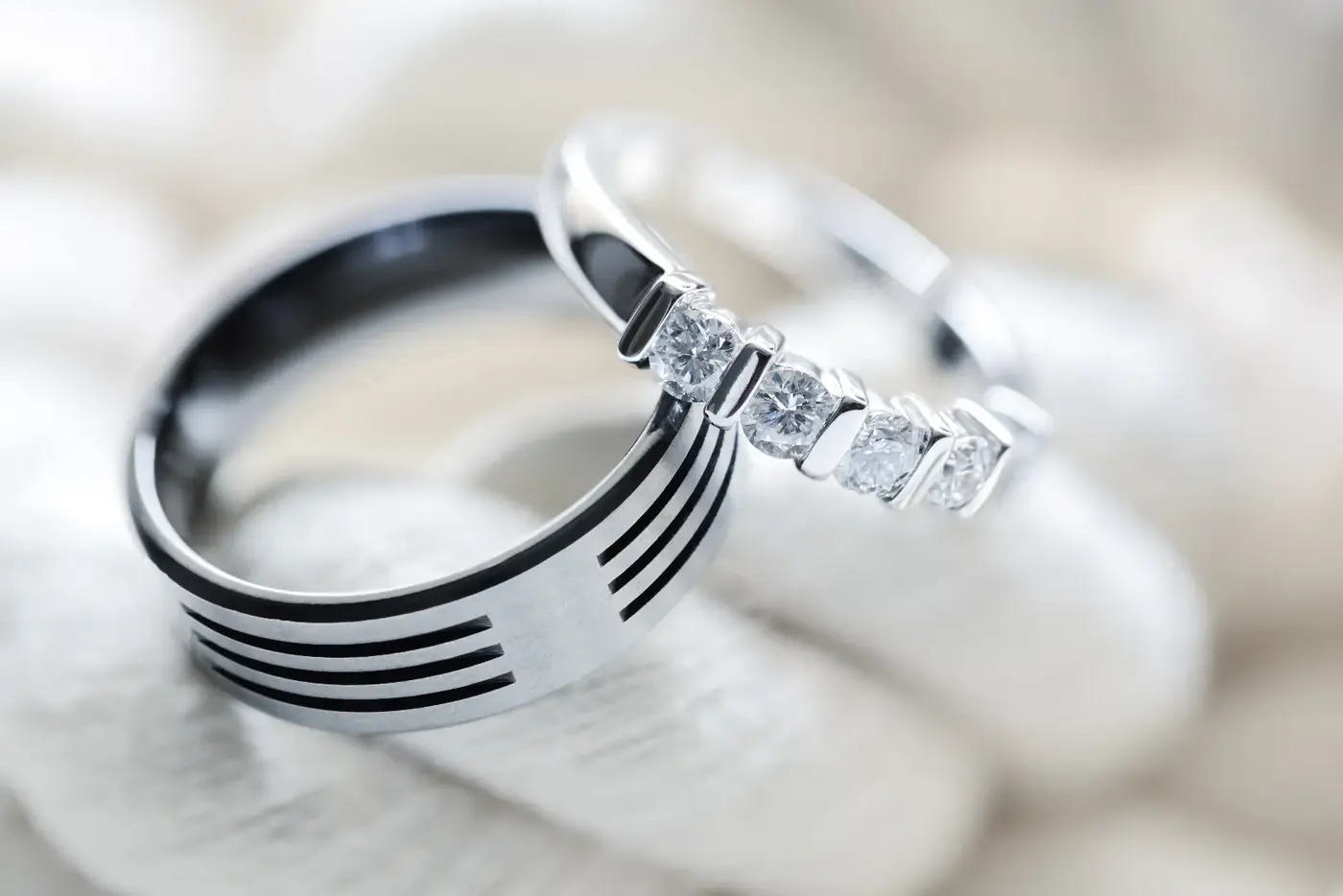
The basic method for most fine jewellery
Soak the piece for a few minutes in warm soapy water, brush gently under and around the stones and settings, rinse in clean warm water, and dry with a lint-free cloth. This is the core of how to clean jewelry at home. It suits solid gold, diamonds and most hard gemstones. It does not suit pearls or porous stones.
Brush where dirt hides: behind the stone, along the prongs and inside the band. Use light pressure and short strokes. A soft bristle reaches where a cloth cannot.
Rinse under a gentle stream of warm water with the drain closed. Pat dry and leave on a cloth for a few minutes. Water spots show up fast on polished metal.
Repeat the whole process if a ring is very dirty. Do not soak for hours, since long soaks can loosen glue under some settings.
- Fill the bowl with warm water and add mild dish soap.
- Soak the piece for a few minutes.
- Brush gently around the stones and settings.
- Rinse in clean warm water.
- Pat dry with a lint-free cloth.
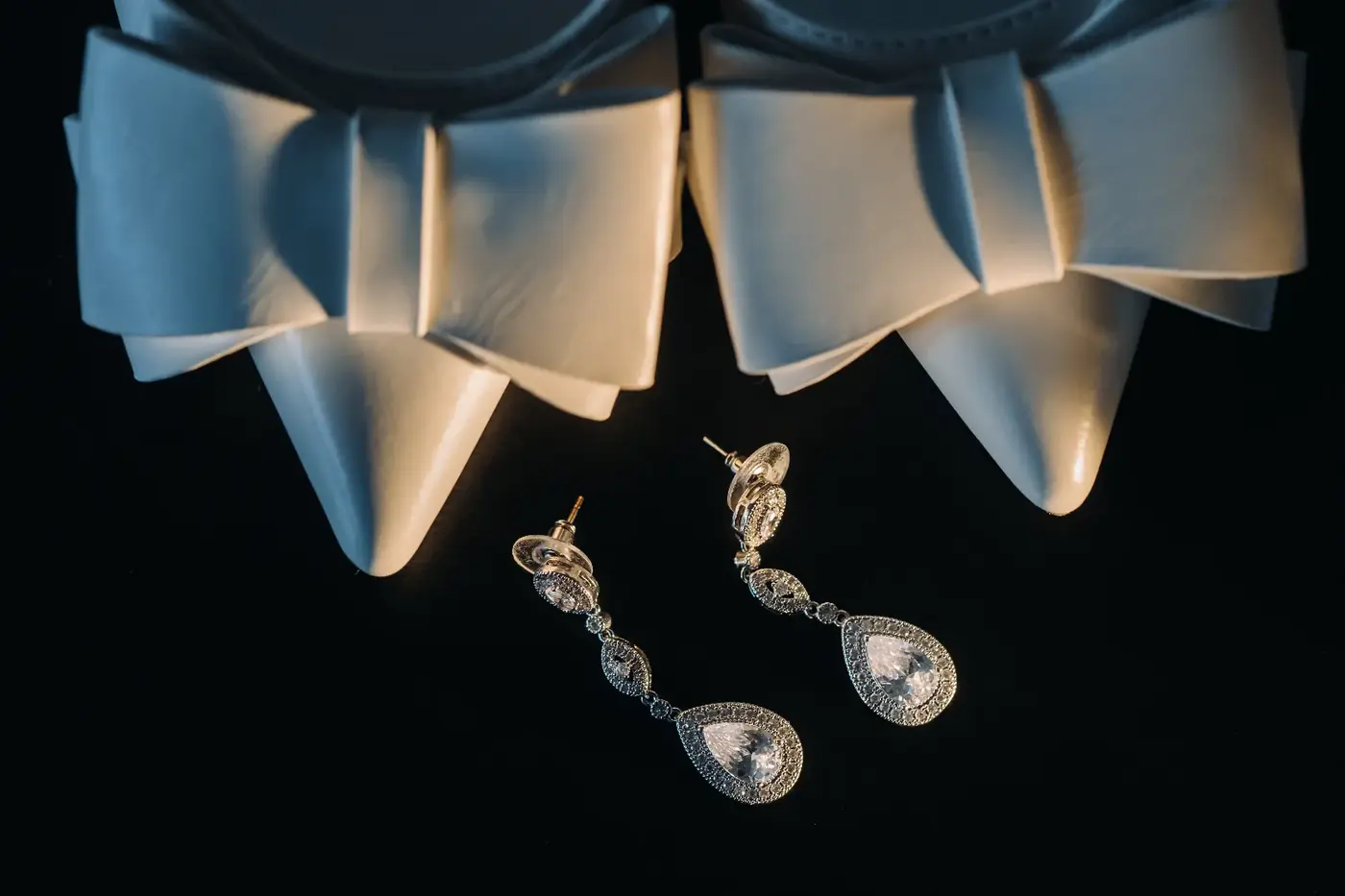
How to clean a diamond ring
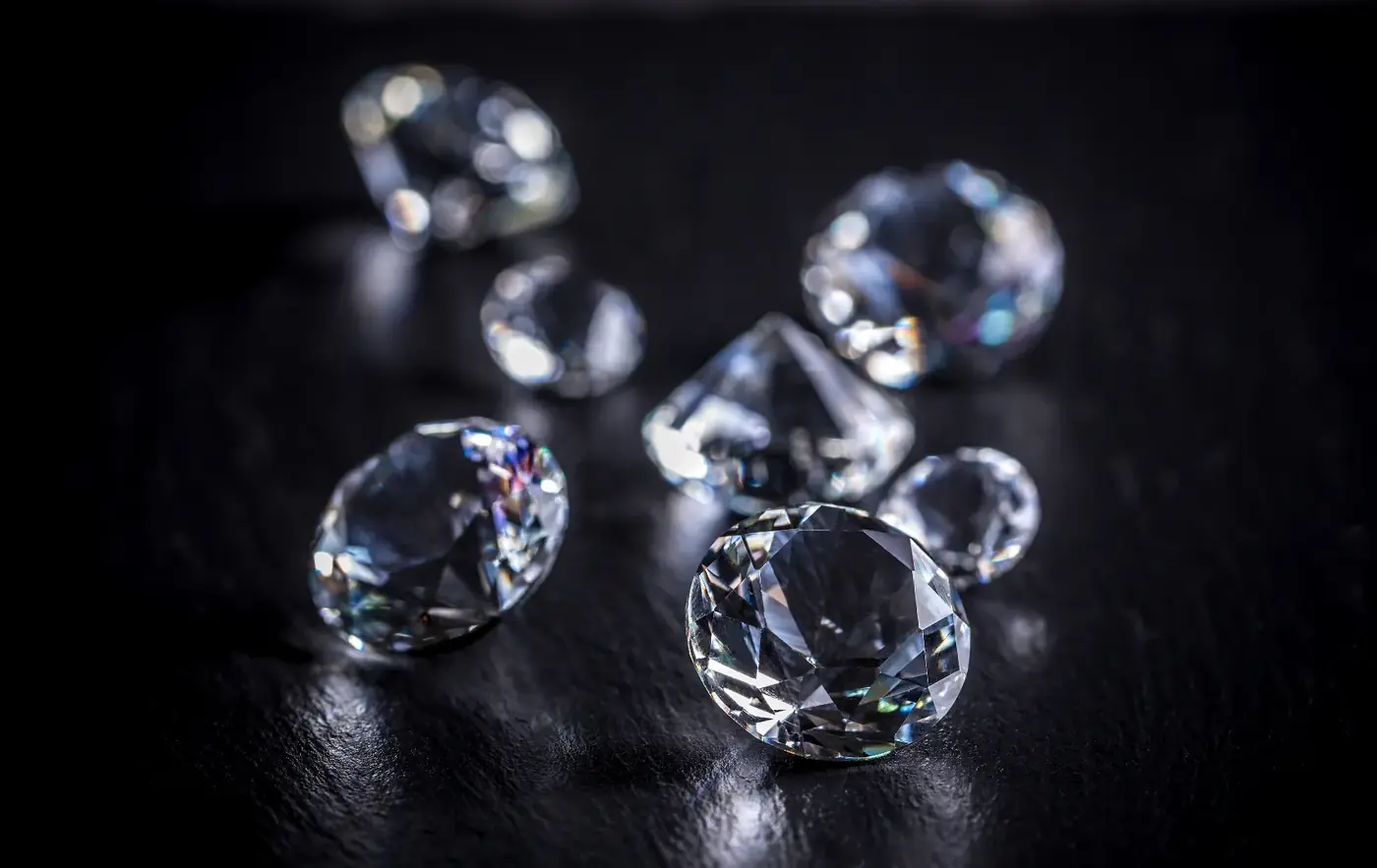
Here is how to clean diamond ring jewellery: use the basic method: warm water, mild dish soap, a soft brush, a rinse and a lint-free cloth. Diamonds attract grease, which is why they look dull between cleanings. GIA notes a mild ammonia solution is safe for most diamond jewellery unless the stone has a non-permanent coating, so ask first if you are unsure.
Dullness on a diamond is nearly always a film of oil and soap, not a flaw. Clear the film and the sparkle returns, often with the first rinse. Pay attention to the underside of the stone, where dirt gathers.
Check the prongs as you clean. If the stone moves when you touch it with a fingertip, stop and have it looked at. Our jewellery repair page covers rings, necklaces and bracelets.
GIA also suggests having a diamond cleaned by a trained jeweller from time to time. Home cleaning is fine between visits, but a jeweller can see wear that you cannot.
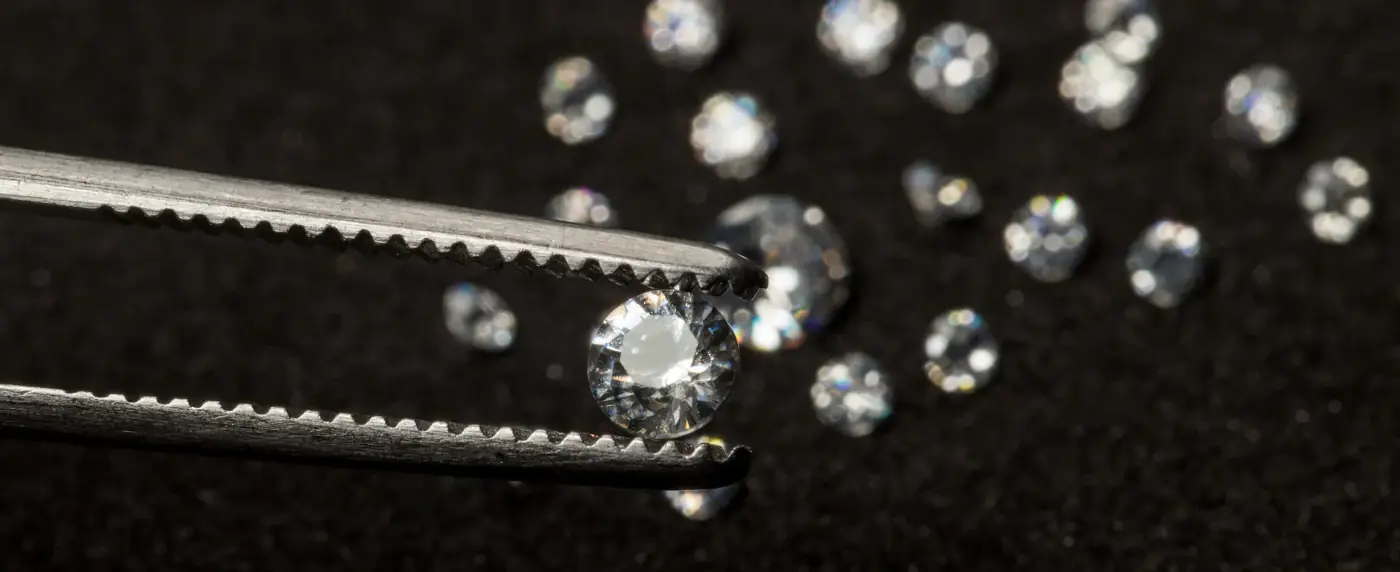
How to clean gold jewelry
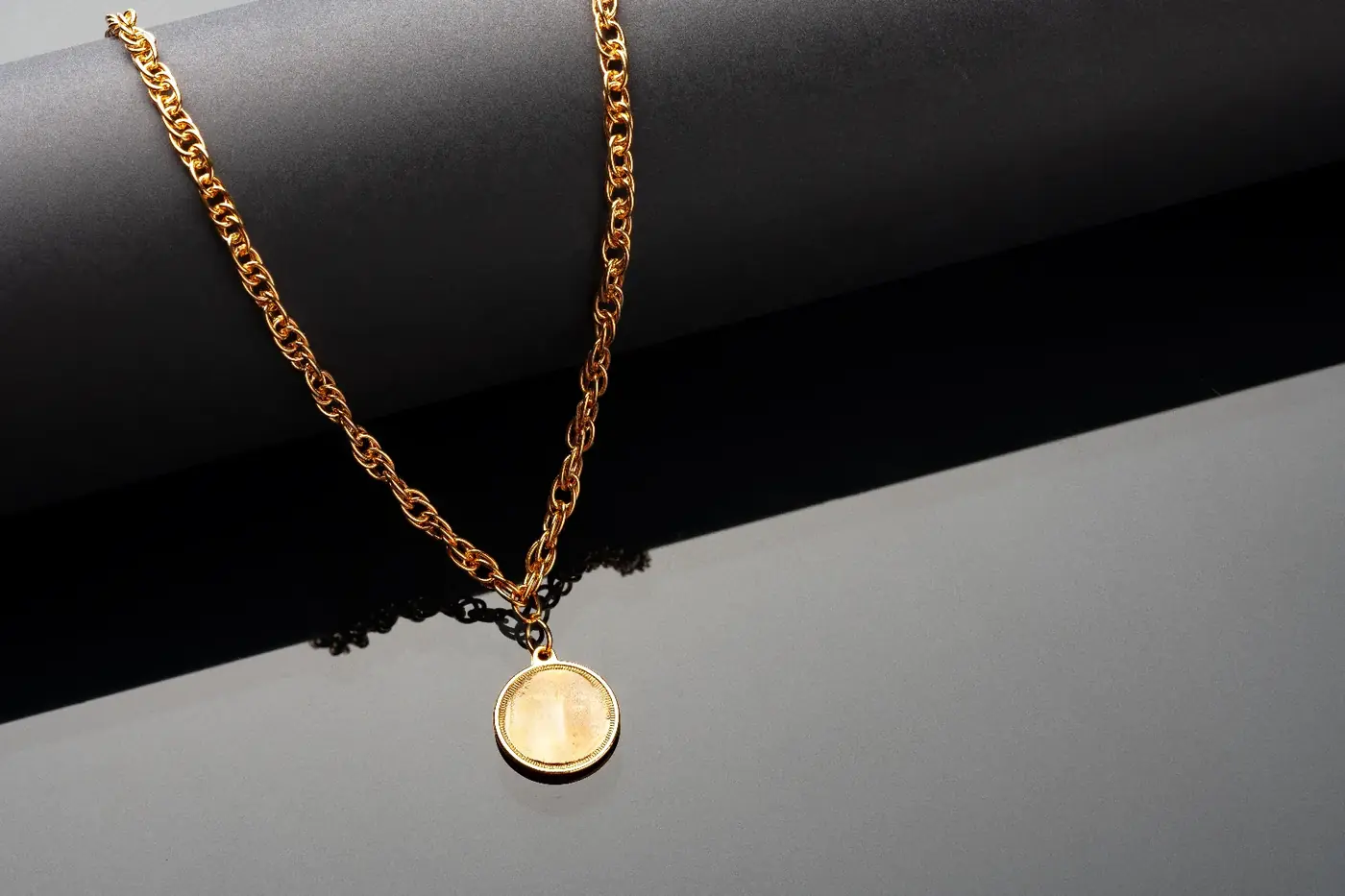
For how to clean gold jewelry, use warm water, mild dish soap and a soft brush, then rinse and dry. Gold itself does not tarnish, but the alloy metals in lower karats can darken. Avoid chlorine, which can attack the alloy, and avoid abrasive pastes. Heavily worn or plated pieces need a gentler touch.
Solid gold chains, bands and pendants clean well with the basic method. Use a toothbrush to reach into links and clasps, which matters on gold chains. Rinse well so no soap film remains.
Gold-plated or gold-filled pieces have a thin gold layer over another metal. Rubbing hard can wear it through. Use a soft cloth and a quick wash only.
Colour matters. White gold may show warmth as its plating wears. Our gold jewellery guide and our article on white gold vs platinum explain why.
How to clean silver sterling jewelry and remove tarnish
Sterling silver tarnishes when it reacts with sulphur in the air, so it darkens even when unworn. For how to clean silver sterling jewelry, wash with mild soap and warm water, then rub with a soft polishing cloth made for silver. Heavy tarnish needs a silver polish used sparingly. Keep silver dry and stored in a sealed bag.
Sterling silver is an alloy of silver and other metals, which is why it darkens over time. Light tarnish comes off with a polishing cloth and a little patience. Rub in straight lines along the piece rather than in circles, which can leave swirl marks.
Do not use polish on oxidized silver that was blackened on purpose, such as deep engraving or patterned chains. The polish strips the dark detail. Clean those with soap and water only.
Silver set with pearls, opals or glued stones should not be dipped or soaked. Wipe the metal with a damp cloth and keep liquid off the stones. Our silver rings and silver jewellery pages cover the metal in more detail.
How to clean pearls without damaging them
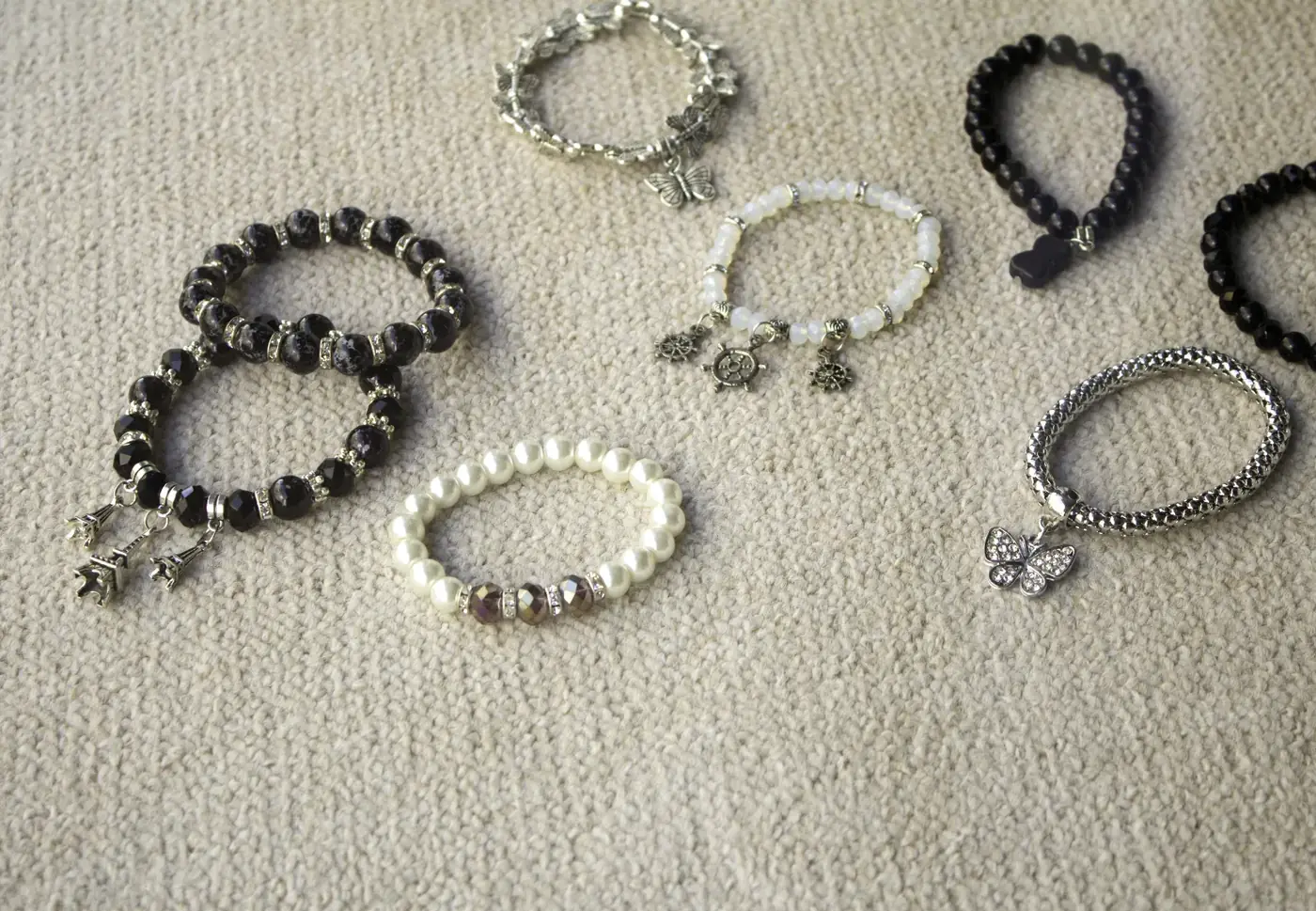
Here is how to clean pearls: wipe them with a soft, slightly damp cloth after each wear, then lay them flat to dry. Never soak them, and keep them away from ammonia, vinegar, bleach and abrasives. Put perfume, hairspray and lotion on before pearls go on. Pearls are soft and organic, so chemicals dull the surface.
Pearls are formed in layers of nacre, and that surface scratches and dulls easily. A damp cloth with a tiny drop of mild soap handles most stains. Wipe, rinse the cloth, wipe again and dry.
Strands hang on thread, often silk. Water weakens the thread and can make it stretch. Dry a strand flat, not hanging, so it keeps its length.
Stringed pearls should be checked by a jeweller from time to time. Knots between the pearls protect them from rubbing. If the thread looks dirty or frayed, have the strand restrung. See our pearl necklaces for how a strand is built, and how to tell real pearls from fake.
What never to use on your jewellery
Avoid toothpaste, bleach, chlorine, harsh household cleaners, paper towels and baking soda scrubs. Each one scratches, strips or corrodes something. Be careful with ultrasonic cleaners and steam, which can loosen stones or harm treated gems. When in doubt, use plain warm soapy water and ask a jeweller about the specific stone.
Toothpaste is a mild abrasive. It can scratch gold and leave a film on diamonds. Paper towels leave fine scratches on polished metal.
Chlorine in pools and hot tubs can attack gold alloys. Take rings off before swimming, and before cleaning with household products.
The table shows common mistakes and what they do.
| Do not use | Why it harms | Use instead |
|---|---|---|
| Toothpaste | Scratches gold and silver | Mild soap and a soft brush |
| Bleach or chlorine | Can corrode gold alloys | Warm soapy water |
| Ammonia on pearls | Dulls the surface | A damp soft cloth |
| Paper towels | Leave fine scratches | Lint-free cloth |
| Ultrasonic cleaner | Can loosen stones or harm treated gems | A jeweller's advice first |
Coloured stones, treated gems and fragile settings
Coloured stones vary in hardness and many are treated, so a method that suits a diamond can harm an emerald, opal or pearl. Use warm soapy water and a soft cloth, skip heat, steam and ultrasonic cleaners, and ask a jeweller about any softer or fracture-filled stone. Glued or antique settings also deserve extra caution.
Emeralds often contain fillers that soap and heat can disturb. Opals can crack with sudden temperature changes. Turquoise and other porous stones absorb liquids and may stain.
When a piece has more than one material, clean for the most delicate one. A diamond next to a pearl gets the pearl's treatment.
If you own a piece and are unsure what the stone is, bring it to us at 7800 Woodbine Ave in Markham, or call (905) 475-1702, and ask before you clean it.
Jewelry cleaning near me: when to ask a jeweller
If you search jewelry cleaning near me, start by asking the shop what it does. Not every jeweller cleans every piece, and the method depends on the stone and the setting. We are at 7800 Woodbine Ave in Markham, serving the GTA. Call (905) 475-1702 and ask whether we can look at your piece.
Home cleaning has limits. A jeweller can inspect prongs under magnification, check clasps and see wear that a bowl of soapy water will never show. That is the real value of a visit.
Before you go, note what the piece is made of, how old it is and what worries you. Ask what the shop will do and how it will clean your particular stones. We also write a jewellery appraisal for pieces you want valued.
We do not list a cleaning service with set terms on this page. Ask us directly about cleaning, checking and repair for your piece. Our jewellery repair page explains the repair work we handle on rings, necklaces and bracelets.
Shop around if you like, and ask anything. A good jeweller will explain what they plan to do and why, in plain words.
How often to clean, and how to store jewellery
Clean rings you wear daily every week or two, and other pieces when they look dull. Store each piece separately in a soft pouch or lined box, so harder stones do not scratch softer ones. Put jewellery on last and take it off first. Take it off for cooking, cleaning, gym sessions, swimming and sleep.
A short routine does more than an occasional deep clean. Wipe a ring with a soft cloth when you take it off. That removes the oils before they build up.
Do not toss chains together, where they knot and scratch. Fasten clasps and lay chains flat. Keep silver in a sealed bag away from damp air.
If a prong looks bent, a stone is loose or a clasp sticks, bring the piece in for jewellery repair. Bring an engagement ring for a quick check once a year, so the ring she says yes to stays secure for decades. Our engagement rings page explains how we work with diamond rings, and our engagement ring creator lets you design one on screen.
Questions, answered
What is the safest way to clean jewelry at home?
Warm water, a few drops of mild dish soap and a soft toothbrush are the safest way to clean most fine jewellery. Soak briefly, brush gently, rinse and dry with a lint-free cloth. Do not use this method on pearls or porous stones, which need only a damp cloth.
How do I clean a diamond ring at home?
Soak it in warm soapy water for a few minutes, brush behind and around the stone with a soft brush, rinse and dry. Diamonds collect grease, so a regular wash restores sparkle. GIA says a mild ammonia solution suits most diamond jewellery unless the stone has a coating. Have prongs checked by a jeweller.
Can I use toothpaste to clean gold jewelry?
No. Toothpaste is mildly abrasive and can scratch gold, and it can leave a film on diamonds. Use warm water, mild dish soap and a soft brush instead. For heavy buildup, repeat the wash rather than scrubbing harder, and bring stubborn pieces to a jeweller.
How do I clean gold jewelry without scratching it?
Use warm water, mild dish soap and a soft brush, then rinse and dry with a lint-free cloth. Avoid toothpaste, abrasive pastes and paper towels, which scratch gold. Keep it away from chlorine. Gold-plated pieces need only a quick wash and soft cloth, since the thin layer wears through easily.
Can I wash pearls with water?
Only lightly. Wipe pearls with a soft, slightly damp cloth, then dry them flat. Do not soak a strand, because water weakens the thread and can stretch it. Keep pearls away from ammonia, vinegar and bleach, and put on perfume and hairspray before the pearls.
Where can I find jewelry cleaning near me in the GTA?
Ask a local jeweller what they do before you travel. We are at 7800 Woodbine Ave in Markham. Call (905) 475-1702 to ask about cleaning or a check of your piece, since what we can do depends on the item. GIA advises periodic cleaning of diamond jewellery by a trained jeweller.
How do I clean silver sterling jewelry at home?
Wash sterling silver with mild soap and warm water, then rub gently with a silver polishing cloth. Heavy tarnish may need a little silver polish. Skip polish on pieces blackened on purpose, and keep liquid off pearls and opals. Store silver dry in a sealed bag to slow tarnish.
Book a private consultation
Bring your idea for how to clean jewellery at home, safely to the counter at 7800 Woodbine Ave, call (905) 475-1702, or start here and we will reply the same business day.
7800 Woodbine Ave, Markham, ON L3R 2N7
(905) 475-1702