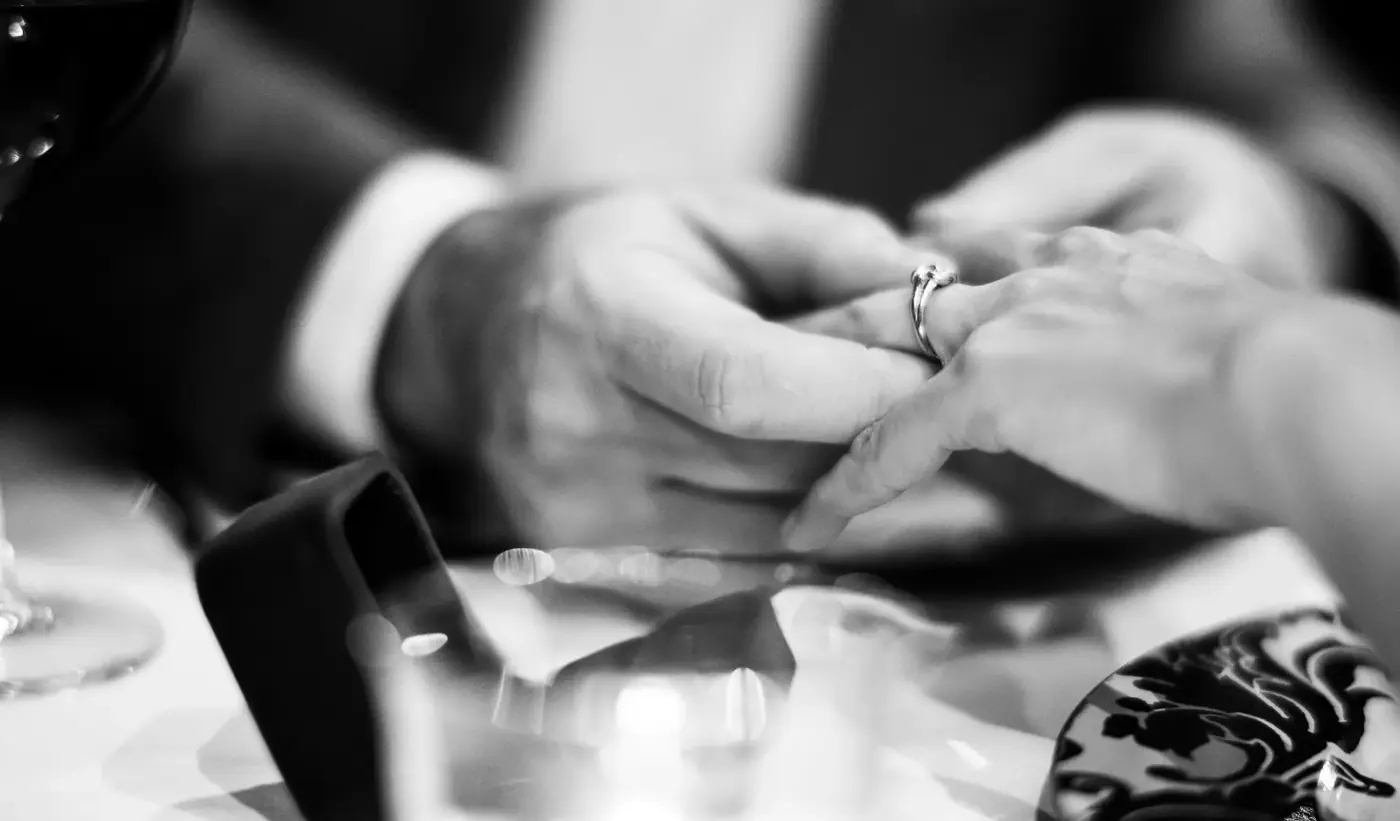
The lab grown diamond ring, explained plainly
A lab grown diamond ring holds a real diamond, grown instead of mined. We lay out the facts, and we supply both lab-grown and natural stones in Markham.
What a lab grown diamond ring actually holds
A lab grown diamond ring holds a real diamond. GIA describes lab-grown diamonds as having the same crystal structure of tightly bonded carbon, with nearly the same chemical, optical and physical properties as natural diamonds. They are grown in a controlled setting instead of mined. They are not cubic zirconia or moissanite.
The word to hold on to is origin. A lab-grown stone and a natural stone are both diamond. What differs is how and where each formed. Ask us anything about either, and take your time.
Simulants are different. Cubic zirconia and moissanite only resemble diamond, and they are different materials with different properties.
We supply lab-grown and natural diamonds, and we say which is which every time. Our guide to natural versus lab-grown diamonds goes deeper.
Lab-grown or natural: how they differ
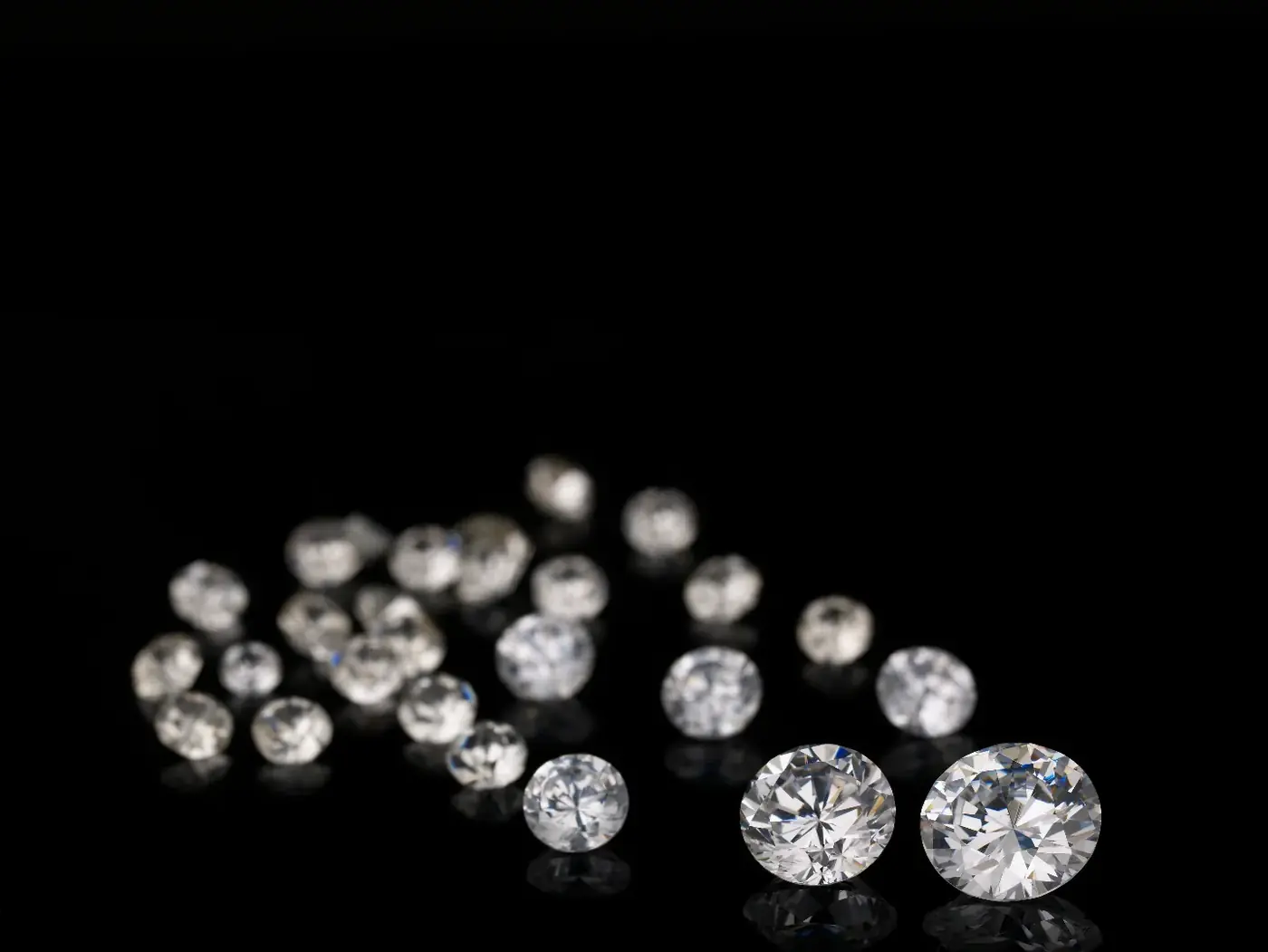
Lab-grown and natural diamonds look the same to the eye. The differences are origin, how the market values them and how each is described. Professional instruments, not a loupe, detect origin. A jeweller must label a stone plainly as lab-grown. That honesty matters more than any other part of the choice.
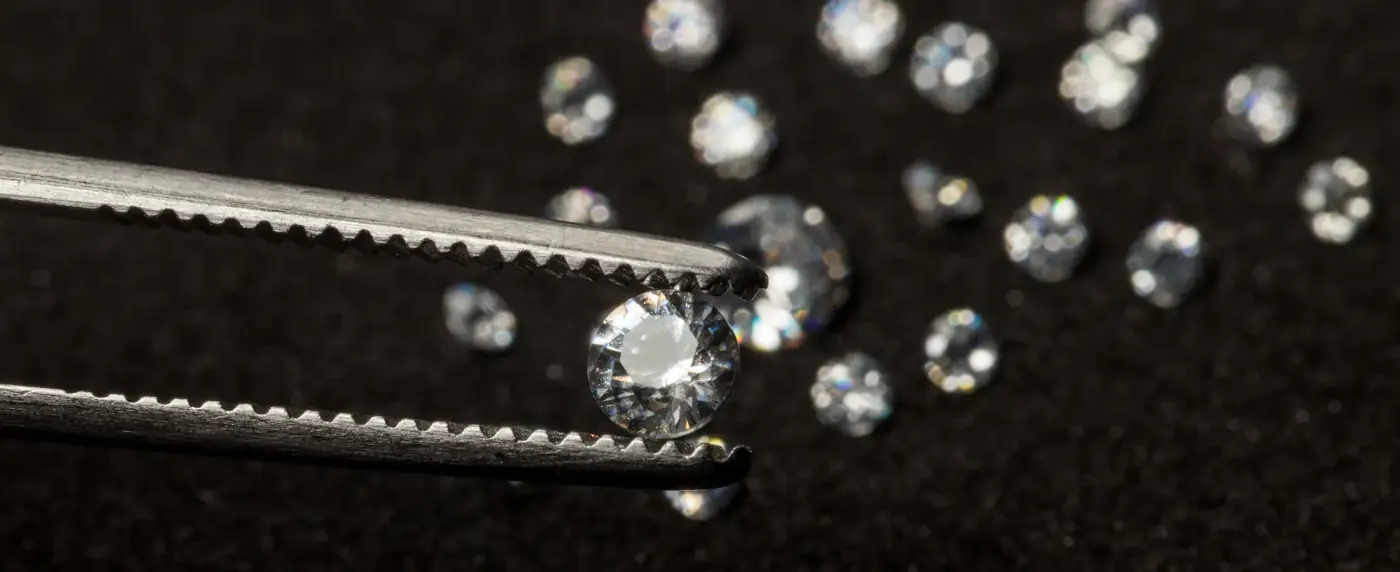
GIA says traditional gemmological observation cannot tell the two apart. Specialist instruments measure tiny atomic irregularities that reveal how a diamond formed.
That is why labelling and paperwork matter. Ask for the origin to be written on the invoice. We do that.
Natural diamonds formed over a very long time in the earth. Lab-grown diamonds are made in a controlled process. Both are graded for cut, colour, clarity and carat.
| Point | Lab-grown | Natural |
|---|---|---|
| Material | Diamond, carbon crystal | Diamond, carbon crystal |
| Look to the eye | Same | Same |
| Origin | Grown in a controlled process | Formed in the earth |
| How origin is shown | Written on invoice, detected by instruments | Written on invoice, detected by instruments |
| Graded on | Cut, colour, clarity, carat | Cut, colour, clarity, carat |
Designing lab grown diamond engagement rings
Lab grown diamond engagement rings are designed the same way as any other. You choose a shape, a setting and a metal, and we build the ring around the stone. Because the stone and the setting are separate decisions, you can shift budget between them as you prefer.
Start with the stone, because the setting follows its size and shape. Oval, round, emerald and others behave differently. See our diamond shapes guide.
Metal is the next choice. White gold and platinum keep a cool colour beside a colourless stone, while yellow and rose gold add warmth. Both gold and platinum are fine for either kind of diamond. Ask us how each ages and what upkeep it needs.
Then pick the setting. A solitaire shows the stone alone. A halo adds a ring of small diamonds. A vintage style adds milgrain and carved detail. Explore solitaire engagement rings or halo engagement rings.
Our 3D ring creator lets you try combinations before you visit. We hand-pick diamonds with the highest-quality cuts and explain quality against cost.
Reading a laboratory diamond engagement rings description
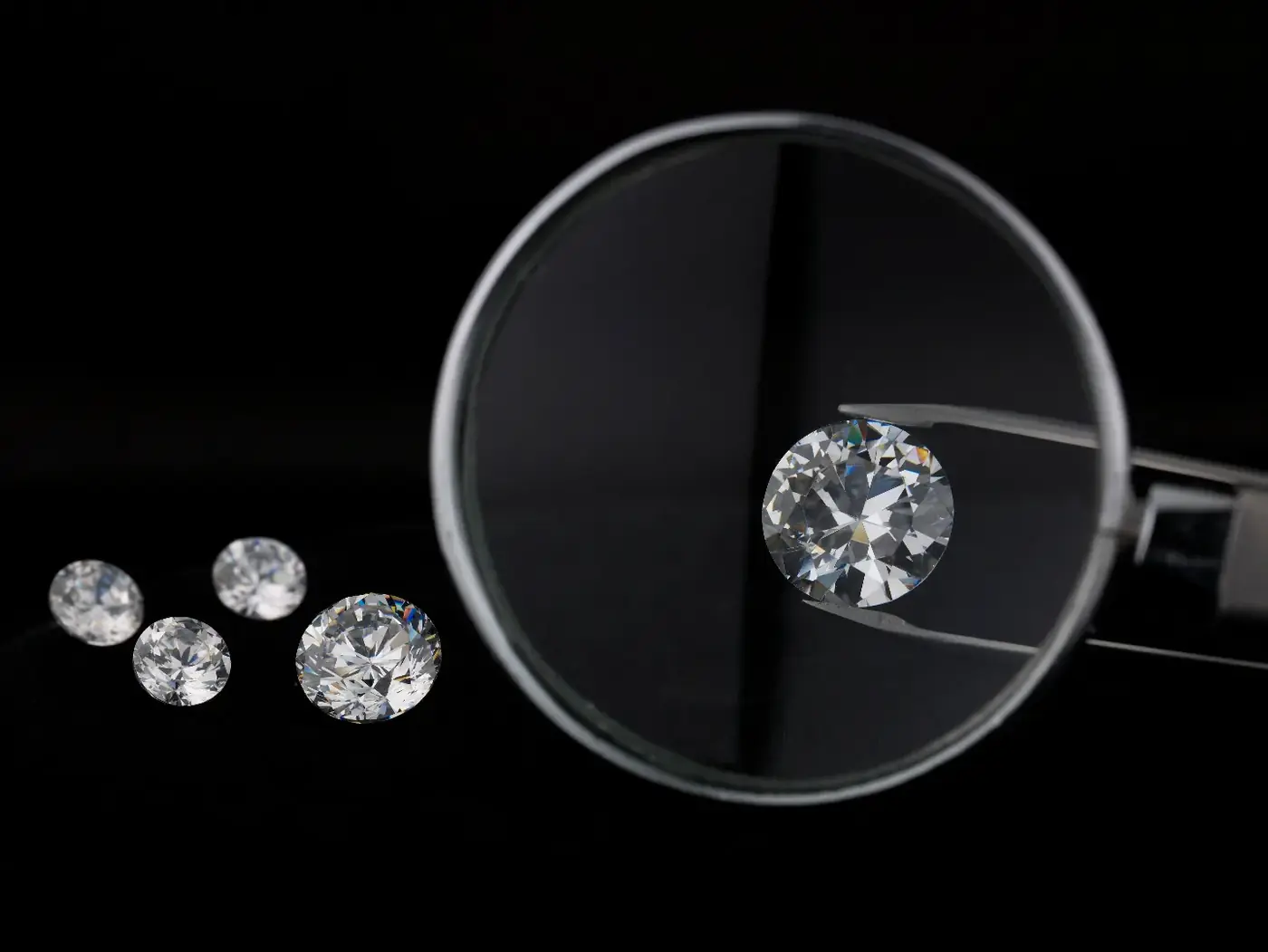
Descriptions of laboratory diamond engagement rings should state carat weight, shape, colour, clarity, cut and the words lab-grown. The Canadian Jewellers Association guidelines say a lab-grown stone should be identified as lab-grown, lab-created or synthetic directly before the word diamond. If the word is missing, ask why.
The same four factors apply as for natural stones. Our 4Cs guide explains each.
Watch for vague terms. A seller who avoids saying lab-grown, or who uses only the word diamond for a lab-grown stone, is not being clear.
Ask for the grading details in writing. Ask who graded the stone and what the report says, then compare it with the stone in your hand. Compare us with other jewellers too. We encourage it.
- Carat weight and shape
- Colour and clarity grades as stated
- Cut quality
- The words lab-grown or lab-created
- Metal and karat of the setting
Lab created diamond rings beyond engagement
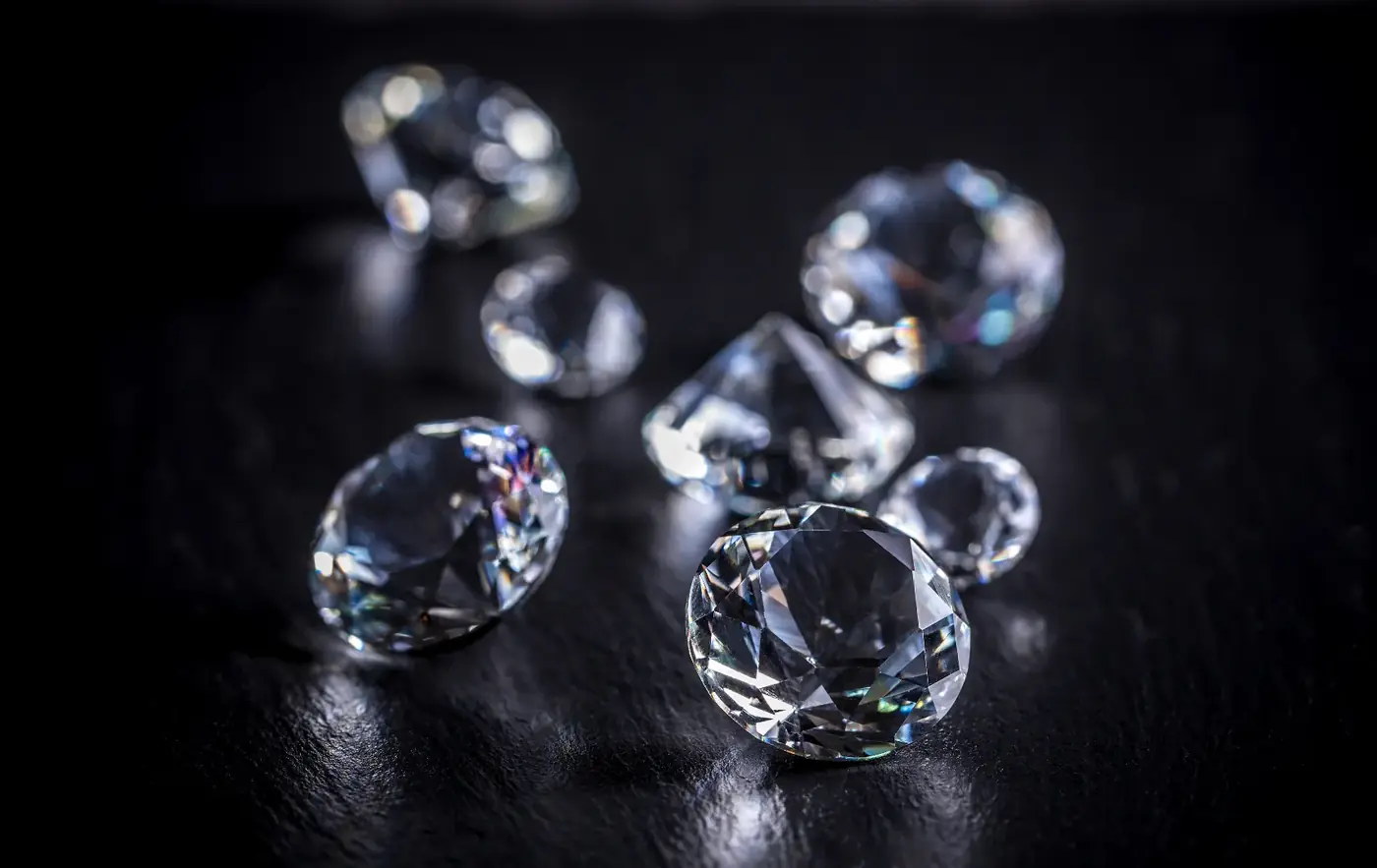
Lab created diamond rings are not only for engagements. Anniversary bands, right-hand rings, eternity bands and fashion rings all use them. A lab-created stone is a diamond, so it can be set in any style. Because many stones may be needed in a band, consistency of matching is key.
An eternity or anniversary band needs many matching stones. Matching is easier to plan when the stones can be selected together.
Wedding bands can carry diamonds too. See our womens wedding bands and mens wedding bands pages.
Colour of the metal matters here as well. A yellow gold band beside a white diamond looks warm and classic, while platinum or white gold keeps everything cool. Come and try a few against the stone before you decide.
Ask about the setting too. Bezel and flush settings protect stones on active hands, while prongs show more light, and the ring you choose should feel easy to wear for decades.
A lab grown diamond ring Canada buyers can inspect
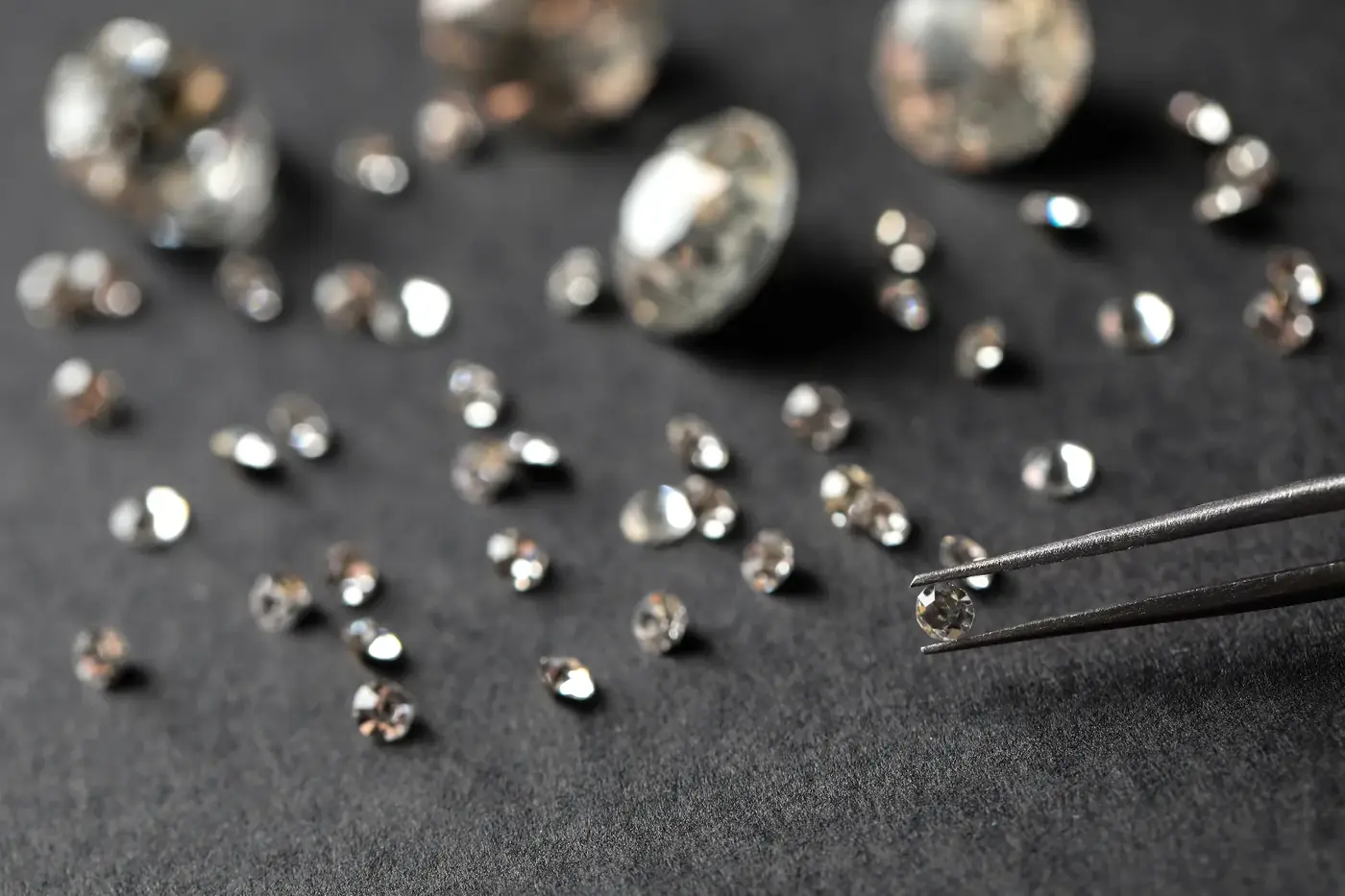
Buying a lab grown diamond ring in Canada means buying from a seller who labels it clearly. The Canadian Jewellers Association has published guidelines on describing lab-grown stones. Buying in person lets you compare stones side by side and ask questions. We are in Markham, serving the whole GTA.
Bring questions. Ask where a stone was graded, what the report states and how the origin is recorded on the invoice. A good answer is short and specific, and we are glad to give one.
Seeing stones side by side tells you more than any listing. Look at the sparkle, then at the paperwork, and trust the one you can explain to yourself.
If you already own a ring and want it checked, we write jewellery appraisals. The appraisal states what the piece is, which matters for insurance.
We are a family-owned jeweller, serving the GTA for more than 30 years. Our loose diamonds page covers both kinds of stone.
Sizing, resizing and aftercare
A lab-grown diamond is as hard as a natural one, so it wears and cleans the same way. We resize rings, subject to the design. Clean with warm soapy water and a soft brush, and have the prongs checked from time to time. Aftercare does not depend on where the stone came from.
Measure your finger when it is warm and at the widest. See our guide to finding your ring size.
If the ring needs adjusting later, our ring resizing page explains what can be done.
For a ring you plan to wear every day, ask us about settings that protect the stone, so it looks as good in twenty years as on the day she says yes.
Spending wisely on the stone and the setting
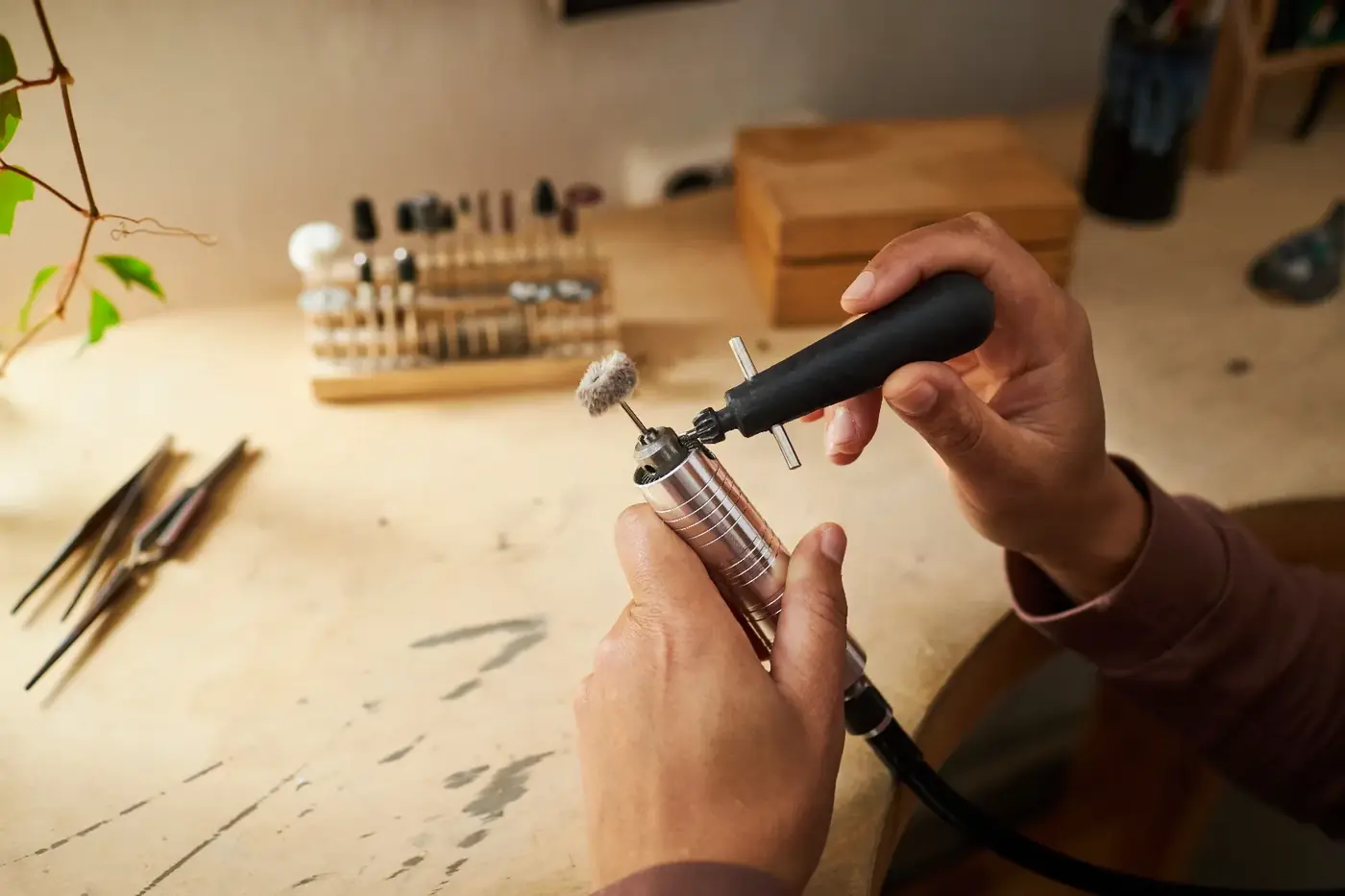
Spend where it shows. A well-cut stone sparkles more than a larger, poorly cut one. Decide your budget before you shop, then choose how to split it between the stone and the setting. We spend time on quality versus cost and never rush you. We do not quote prices here, so ask us in person.
Our guide on how much to spend on an engagement ring helps you set a number.
The honest answer is that origin changes the cost of a stone, and that can let you choose a larger or better-cut stone for the same budget. Ask to see both kinds side by side, with no pressure to choose.
Call (905) 475-1702 or visit 7800 Woodbine Ave to compare lab-grown and natural stones side by side.
Questions, answered
Is a lab grown diamond ring a real diamond?
Yes. GIA describes lab-grown diamonds as having the same crystal structure and nearly the same chemical, optical and physical properties as natural diamonds. They are not cubic zirconia or moissanite. What differs is origin: lab-grown stones are made in a controlled process, while natural stones formed in the earth.
Can you tell a lab-grown diamond from a natural one by eye?
No. GIA says traditional gemmological observation and instruments cannot tell them apart. Specialist equipment detects the tiny atomic irregularities that reveal how a diamond formed. This is why clear labelling and written paperwork matter, and why we state the origin of every stone.
Do you sell lab grown diamond engagement rings?
Yes. We supply lab-grown and natural diamonds, and we design and make engagement rings around either. We hand-pick diamonds with the highest-quality cuts and explain quality against cost. Call (905) 475-1702 or visit us in Markham to see both kinds side by side.
Are lab created diamond rings graded the same way?
Yes. Lab-created diamonds are assessed for cut, colour, clarity and carat weight, the same four factors used for natural stones. The paperwork should also say the stone is lab-grown. Ask who graded the stone and read the report before you decide.
What should a laboratory diamond engagement rings listing say?
It should give carat weight, shape, colour, clarity and cut, and clearly say lab-grown or lab-created. The Canadian Jewellers Association guidelines say the term should come directly before the word diamond. If a seller avoids the term or hides the origin, ask questions or shop elsewhere.
Where can I buy a lab grown diamond ring in Canada?
You can buy from any seller who labels the stone clearly. We are a family-owned jeweller at 7800 Woodbine Ave in Markham, serving the GTA for more than 30 years. Visit to compare stones side by side, and compare with other jewellers as well.
Can a lab-grown diamond ring be resized or repaired?
Yes. A lab-grown diamond is as hard as a natural one, so a ring is resized and repaired the same way. We resize rings, subject to the design, and we repair jewellery. Bring the ring in and we will tell you what is possible.
Book a private consultation
Bring your idea for the lab grown diamond ring, explained plainly to the counter at 7800 Woodbine Ave, call (905) 475-1702, or start here and we will reply the same business day.
7800 Woodbine Ave, Markham, ON L3R 2N7
(905) 475-1702