Engagement ring styles, explained by a jeweller
Engagement ring styles come down to a few arrangements and a few moods. Here is how solitaire, halo, three stone, bezel and vintage designs differ, so you can choose with a clear head.
Engagement ring styles at a glance
Most engagement rings fall into six families: solitaire, halo, three stone, side stone, bezel and vintage-inspired. The first four describe how stones are arranged. Bezel describes how a stone is held. Vintage describes the look. Many rings combine two of these, such as a vintage halo or a bezel solitaire.
A ring holds two decisions. The first is the arrangement of stones. The second is the setting that holds them. Keeping those apart makes shopping easier, and it keeps you calm when the options pile up.
The table sets the common styles side by side. None is better than the others. Each one trades something for something else. Our engagement rings page shows how we plan a custom ring around your choice.
| Style | What it is | Strength | Trade-off |
|---|---|---|---|
| Solitaire | One centre stone on a plain band | Most attention on the diamond | Little extra sparkle or width |
| Halo | Small stones circle the centre | Centre looks larger | More stones to clean and check |
| Three stone | Centre stone with one on each side | Width and a framed centre | Busier than a solitaire |
| Oval | Elongated brilliant-cut centre | Longer-looking finger, no sharp corners | Bow-tie varies stone to stone |
| Emerald cut | Rectangular step cut | Clean lines, flat facets | Shows clarity plainly |
| Vintage-inspired | Milgrain, filigree, engraving | Character and detail | Detail collects dirt |
Types of engagement ring settings: prong, bezel, channel and pavé
The setting is the metalwork that holds the stone. Prongs are small claws that lift the diamond and let light in. A bezel wraps a rim of metal around the stone. Channel and pavé settings hold small diamonds along the band. These are the main types of engagement ring settings, and each changes how secure, bright and snag-prone a ring feels.
Engagement ring settings differ in how much metal touches the diamond. Prongs are the most common choice for a centre stone. Four prongs show more of the diamond, and six hold it more fully.
A bezel has a low profile and little to catch on a sleeve. It also covers part of the stone's edge, so the diamond shows less of its outline. People who work with their hands often like it.
Pavé means tiny diamonds set close together on the band, held by small beads of metal. Channel means stones set between two walls of metal. Channel is flatter and tends to be tougher against knocks.
Whatever the setting, prongs and beads wear with use. Have them checked at a jewellery repair visit now and then. A loose prong is easier to fix before a stone is lost.
| Setting | How it holds the stone | Best for | Watch for |
|---|---|---|---|
| Prong | Metal claws lift the stone | Maximum light | Prongs wear and need checks |
| Bezel | Metal rim surrounds the edge | Active hands, low profile | Covers some of the edge |
| Channel | Stones between two metal walls | Band stones, toughness | Hard to resize |
| Pavé | Tiny stones held by beads | Sparkle along the band | Beads can loosen |
Three stone engagement ring: the trilogy design
A three stone engagement ring has a centre diamond with a smaller stone on each side. Many people read the trio as past, present and future, though the design stands on looks alone. The side stones add width and colour options, and they frame the centre without covering it. It sits between a solitaire and a halo in busyness.
The side stones can match the centre or contrast with it. Round, baguette and tapered shapes are common. Coloured side stones, such as sapphire or emerald, change the mood of the ring entirely.
A three stone ring often shows more of the centre's profile than a halo does, because the side stones sit apart. That keeps attention on the middle diamond while giving the ring presence on the finger.
Do not confuse it with a side stone ring, where small stones run along the shoulders of the band. In a three stone ring the side stones are larger and sit right beside the centre.
Lab-grown and natural stones can be mixed to suit a design. We supply both, so ask us to show how a three stone layout looks with each. Bring any questions to 7800 Woodbine Ave in Markham.

Engagement ring trends: what to notice and what to skip
Engagement ring trends come and go, so judge each one by how it wears, not how it photographs. Details people often discuss include hidden halos, east-west oval settings, coloured side stones, bezels and vintage milgrain. A trend suits you if you still like it in a plain light on your own hand. Ask us how a detail ages.
Trends mostly show up in details: the shoulder, the band width, the metal colour and the side stones. A trend in a detail is easier to live with than a trend in the whole ring.
A hidden halo sits beneath the centre stone and shows mainly from the side. A bezel offers the same low profile that suits busy hands. Vintage detail keeps returning because it looks personal.
Metal colour is another current conversation. Our guide to white gold vs platinum explains how each metal ages, and how much to spend on an engagement ring helps you plan.
Design for the next decade. Choose something you would still be glad to see on your hand when the trend has moved on, the ring you wear for decades and one day hand down.
Solitaire and halo: the two starting points
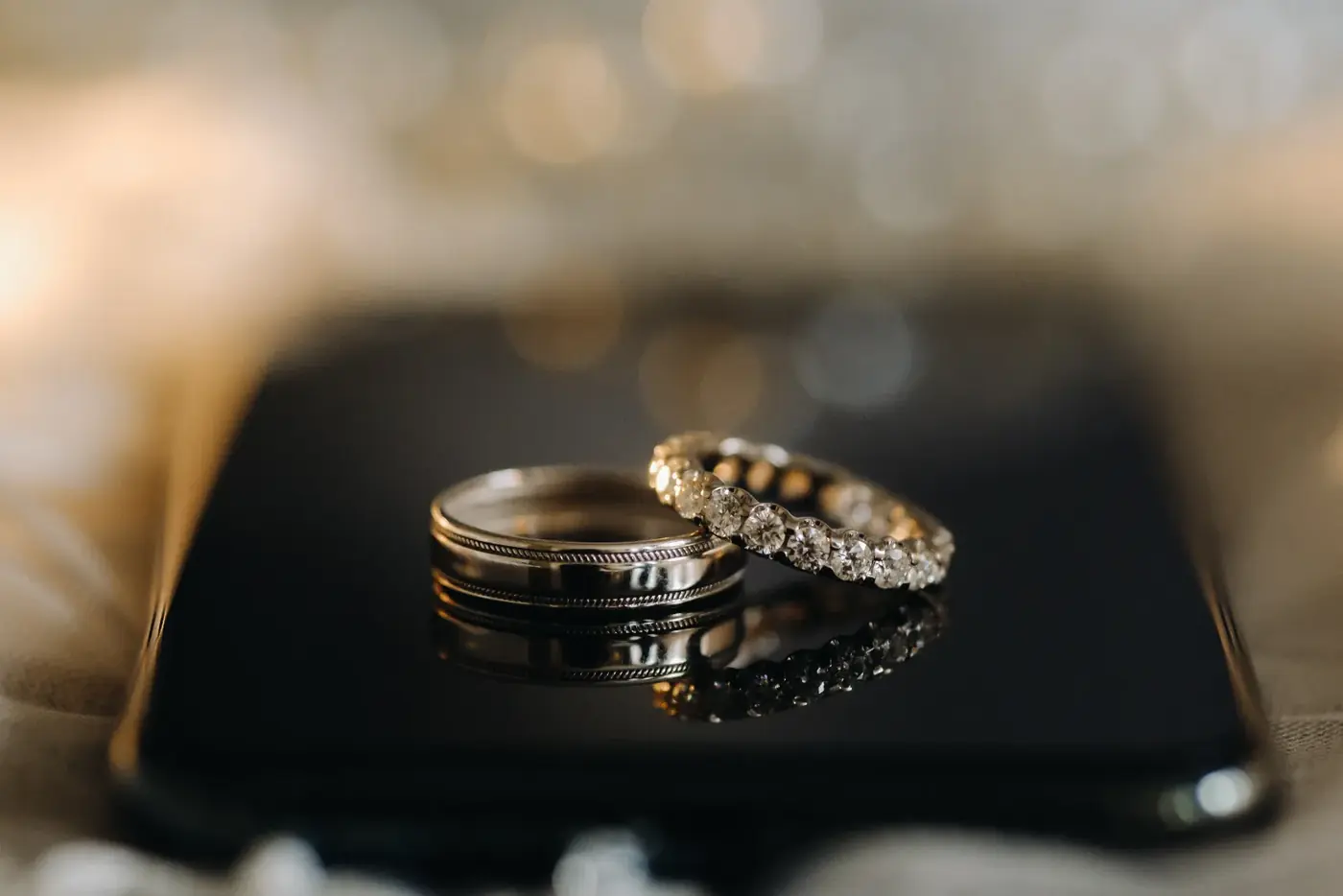
A solitaire puts one diamond on a plain band, so the stone does all the talking. A halo rings that diamond with small stones for a larger look and more sparkle at the edge. Solitaires are simpler to clean, and halos carry more detail. Come and try both on, because most people know within a minute.
The solitaire vs halo engagement ring question rarely has a wrong answer. Read more about the solitaire engagement rings we make, or compare them with halo engagement rings.
You can also browse loose diamonds to see how a stone looks bare before it is framed.
Oval and emerald cut: shape sets the mood
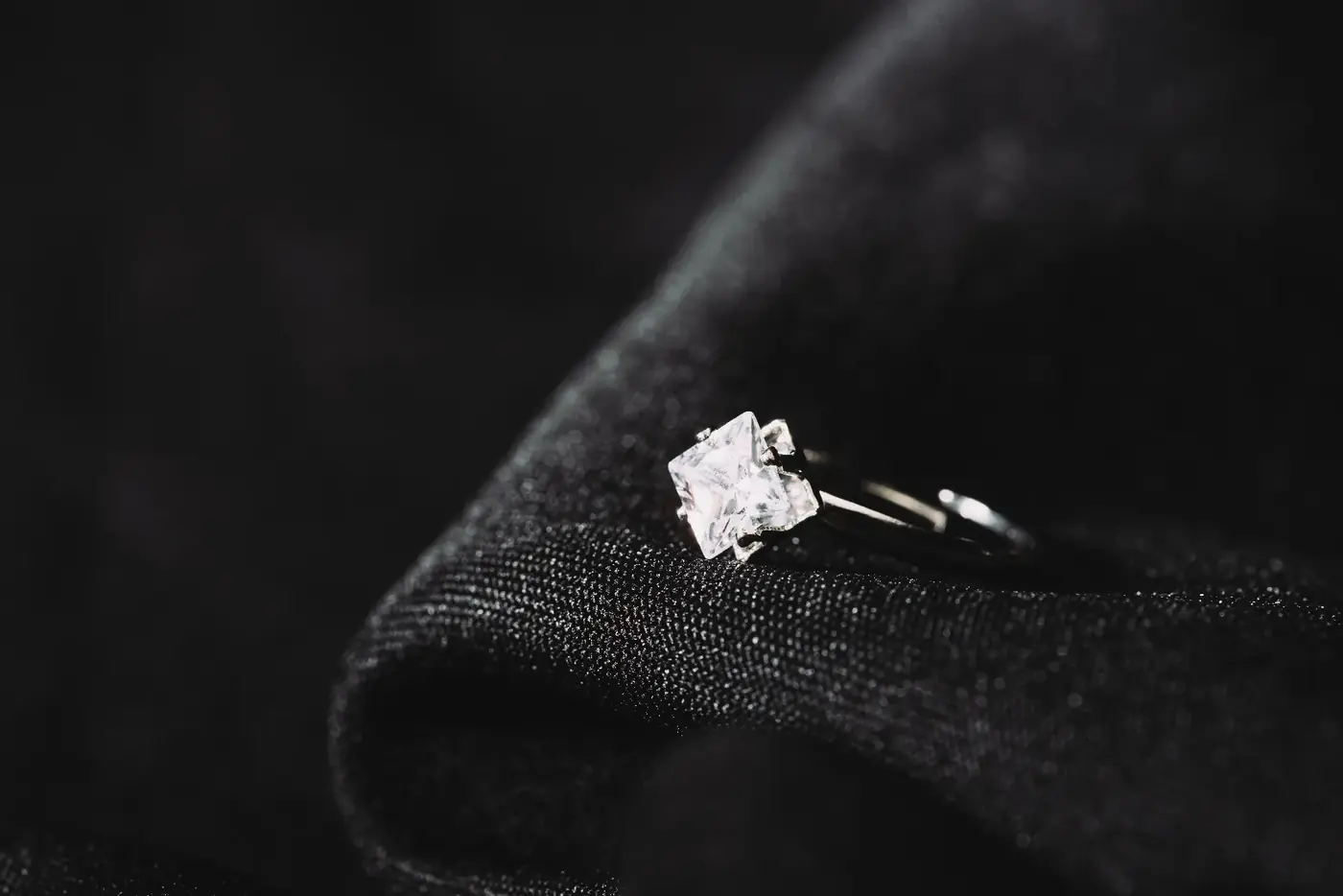
An oval engagement ring uses an elongated brilliant, which can make a finger look longer and has no sharp corners to chip. An emerald cut uses a rectangular step cut with long, flat facets that show clarity plainly. Both suit solitaires, three stone designs and vintage detail. Pick the shape by seeing it in real light.
Ovals keep the sparkle of a round brilliant and stretch it. Some show a darker bow-tie across the middle, so view the actual stone. See our oval engagement rings page for more.
Emerald cuts reward quality, because open facets show tint and inclusions. Prongs at the corners protect them. See emerald cut engagement rings for details.
Our diamond shapes guide compares every common shape side by side.
Vintage looks: milgrain, filigree and engraving
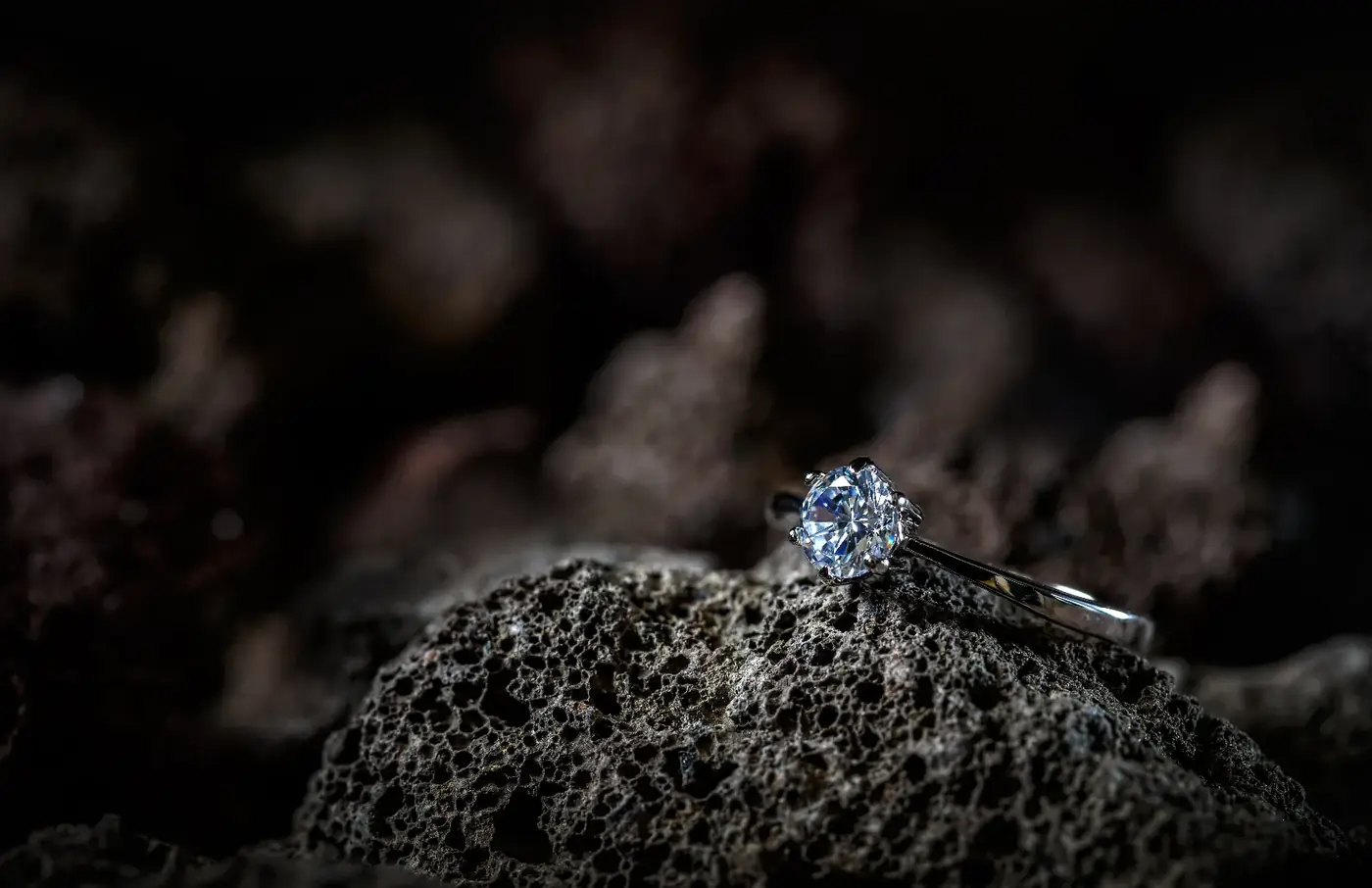
A vintage engagement ring borrows from earlier eras: the ornate Edwardian, the geometric Art Deco, the romantic Victorian. Look for milgrain edges, filigree, engraving and older diamond cuts. Vintage is a look, not a setting, so it often pairs with a halo or three stone layout. A jeweller can build that look new, in modern metal.
Milgrain is a row of tiny beads along an edge. Filigree is fine openwork made of wire. Both give a ring the feel of something handmade.
You do not need an antique to get this look. See vintage engagement rings, or start a custom jewellery design that borrows the details you love.
- Milgrain: tiny beads along the edges
- Filigree: openwork scrolls and lace
- Engraving: patterns cut into the shoulders
- Old-world outlines: softer, rounder shapes
Matching a style to how you live
Match the ring to the hands that will wear it. A low bezel suits a job with tools, gloves or keyboards. A raised solitaire suits someone who wants the most light on the stone. A halo or vintage design suits someone who enjoys detail and will clean it regularly. Think about the week, not just the proposal.
Think about the wedding band too. A high setting or a wide halo can leave a gap beside a straight band. Look at wedding bands alongside the ring, so the pair sits well together.
Ask about the shape of the shoulder and the height of the stone. Those two details decide how a ring wears day to day.
- Hands-on work or sport: bezel or low-set prongs and a plain band
- Office and everyday wear: solitaire or three stone with a cathedral shoulder
- You love detail: halo, pavé band or vintage milgrain
- You want something quiet: thin band and a four prong solitaire
- You plan to stack bands: a low, flat shoulder so a wedding band sits close
Try styles before you commit
Look at styles on a hand, in real light and from the side. A photo hides profile and height. Use the 3D ring creator to test a style, then bring the design to the store to talk it through. We encourage you to compare styles and shops, and we explain how each choice affects cost and wear.
Our engagement ring creator lets you turn a design around on screen and pick a setting, metal and stone shape. It never shows a price. It sends your design brief so a written quote can follow.
Then visit 7800 Woodbine Ave in Markham, or call (905) 475-1702, to see real stones and settings together.
Bring screenshots, a pin board or a family ring, and ask us anything, with no pressure to decide. A jeweller can read a picture quickly and tell you what is easy, what is delicate and what needs a change.
Details that quietly decide comfort
Small details decide whether a ring is comfortable after the first week. The height of the stone, the shape of the shoulder, the thickness of the band and the inside curve all matter. A ring that looks perfect on a screen can catch on knitwear or spin on the finger. Ask about each detail while you design.
Stone height changes how often the ring knocks against things. A lower setting is safer for everyday wear, and a higher one lifts the diamond for more light.
A cathedral shoulder rises in arches toward the stone. A straight shoulder stays level. Cathedral shoulders add height and a sense of lift, while straight ones sit lower beside a wedding band.
A comfort fit band is slightly rounded on the inside. Many people find it kinder to the finger, especially on wide bands, so you forget it is there until someone admires it. Ask whether it suits the style you chose.
Questions, answered
What are the most popular engagement ring styles?
Solitaire, halo and three stone are the engagement ring styles people compare most often, along with bezel and vintage-inspired designs. Popularity should matter less than fit. Choose the arrangement that suits the hand that will wear it, the work it will do, and the amount of cleaning you are happy to do.
What is a three stone engagement ring?
A three stone engagement ring has a centre diamond with a smaller stone on each side. It is often called a trilogy ring. The side stones can match the centre or add colour, and they widen the look of the ring without covering the middle diamond the way a halo does.
What are the main types of engagement ring settings?
The main types of engagement ring settings are prong, bezel, channel and pavé. Prongs lift the stone for light, a bezel wraps it in metal, channel holds stones between metal walls, and pavé sets tiny diamonds with beads. Ask which suits your stone shape and daily work.
Which engagement ring setting is the most secure?
A bezel holds a stone most fully, because metal surrounds its whole edge. Prong settings are secure too when the prongs are checked regularly. No setting lasts untouched forever, so have any ring looked over by a jeweller now and then, and repair worn prongs before a stone loosens.
How should I think about engagement ring trends?
Treat engagement ring trends as details, not rules. Hidden halos, east-west ovals, coloured side stones and bezels are often discussed. Pick a detail you would still like in ten years, and ask a jeweller how it wears, cleans and ages before you commit.
Can I mix styles, such as a vintage halo?
Yes. Style names describe parts of a ring, so they combine easily. A vintage halo, a bezel solitaire or a three stone ring with a pavé band are all common. Mixing is a good reason to design a custom ring, because each detail can be chosen to suit your hand.
Book a private consultation
Questions about engagement ring styles, explained by a jeweller? Send the form, ring (905) 475-1702, or drop by 7800 Woodbine Ave. A real person writes back, usually within the business day.
7800 Woodbine Ave, Markham, ON L3R 2N7
(905) 475-1702