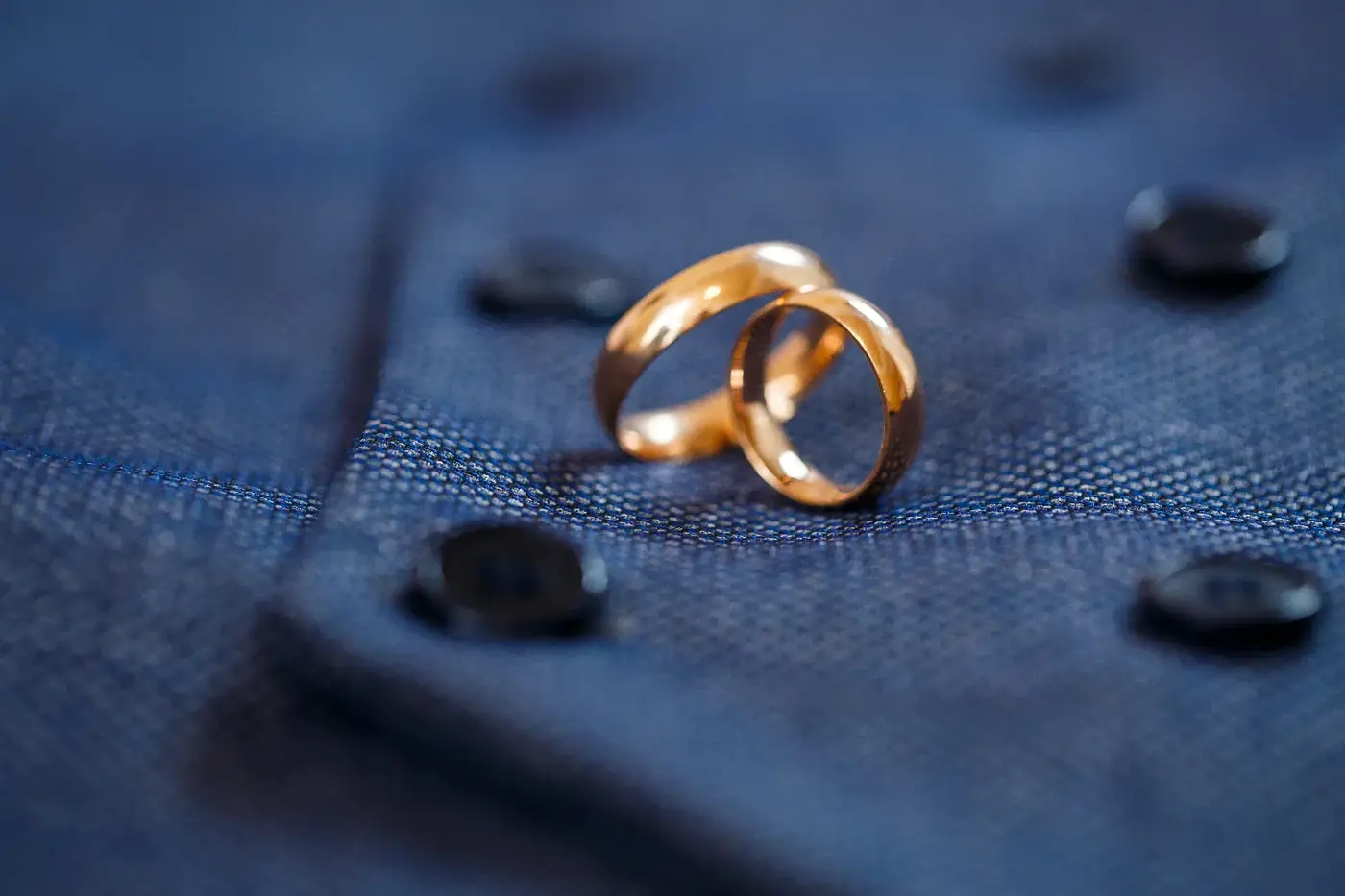
White gold vs platinum: choosing your ring metal
White gold vs platinum is a choice between a plated alloy and a naturally white metal. Here is how they differ in colour, wear, upkeep and cost, and how to pick for your ring.
White gold vs platinum in one minute
White gold is yellow gold mixed with white metals and usually finished with a thin rhodium plating. Platinum is a naturally white metal sold at very high purity. White gold costs less up front and needs replating over time. Platinum is denser, develops a soft patina and generally costs more. Both are good choices for a ring.
Neither metal is the wrong answer, and you can ask us anything while you decide. The decision comes down to upkeep, budget and how you feel about a ring that changes with wear.
The table gives the short version. The sections after it explain each row.

| Question | White gold | Platinum |
|---|---|---|
| What is it? | Gold alloyed with white metals | Platinum at 95% or higher purity when marked 950 |
| Colour | Bright white from rhodium plating | Naturally white, soft grey tone over time |
| Upkeep | Replating to restore the white finish | Polishing to refresh the surface |
| Weight | Lighter in the hand | Noticeably heavier |
| Up-front cost | Generally lower | Generally higher |
| Skin | Alloys can contain nickel, ask first | Naturally hypoallergenic, per most sources |
What each metal is actually made of
White gold is an alloy. Pure gold is 24 karat, so 18 karat is 75% gold and 14 karat is about 58% gold, with white metals making up the rest. Platinum is a separate element. In Canada, an article can be marked platinum only if it is at least 95% platinum or a platinum alloy of at least 95% platinum and iridium or ruthenium.
That difference explains most of the rest. White gold's colour comes from its alloy and its plating. Platinum's colour is just platinum.
Look for the quality mark on the inside of the band. A 950 mark on platinum refers to 950 parts per thousand of pure platinum. A karat mark on gold must carry the fraction that shows its gold content.
Our guide to 10k, 14k and 18k gold goes deeper on what the karat number means.
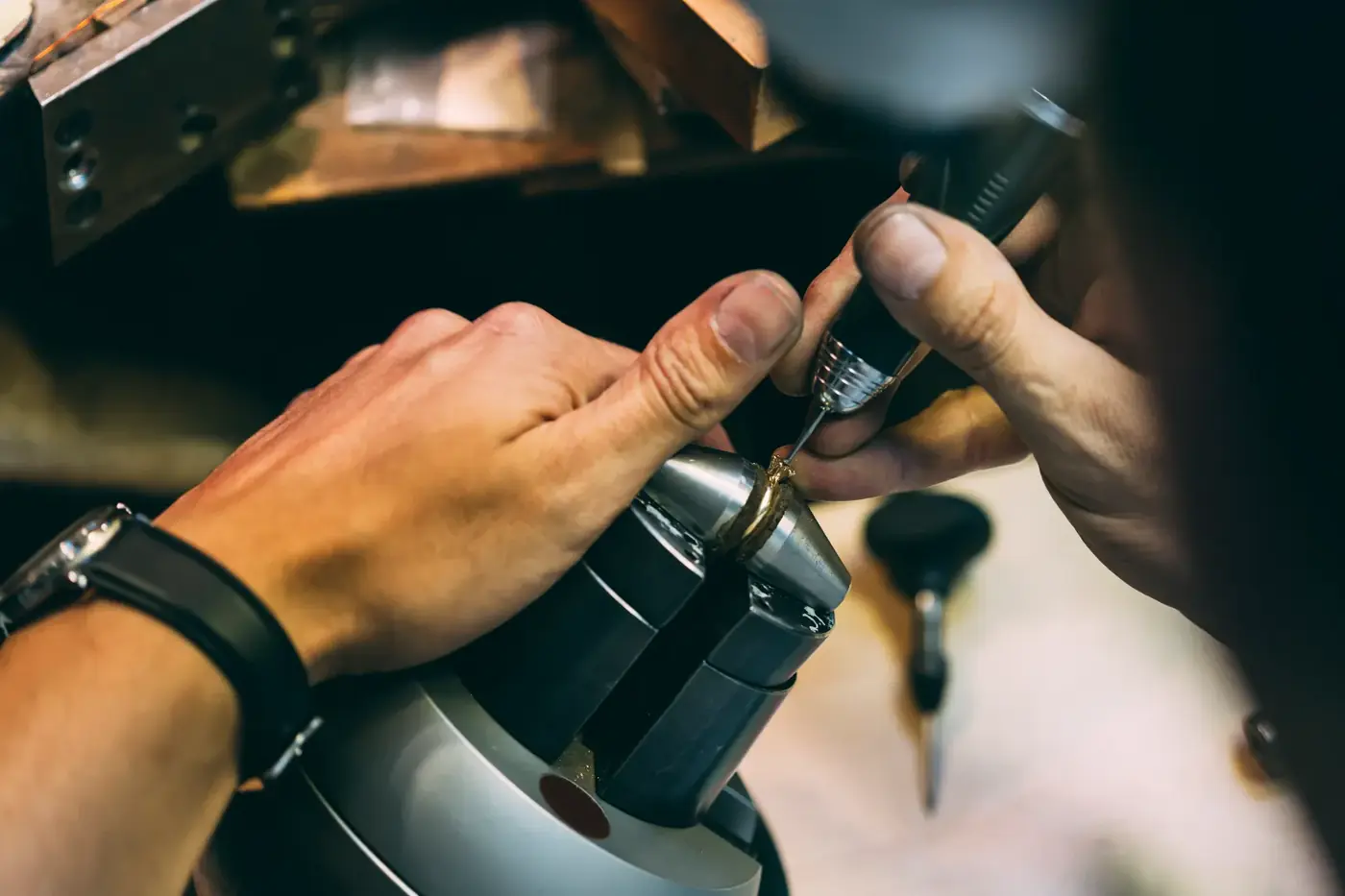
Rhodium plating on white gold: what it does and how long it lasts
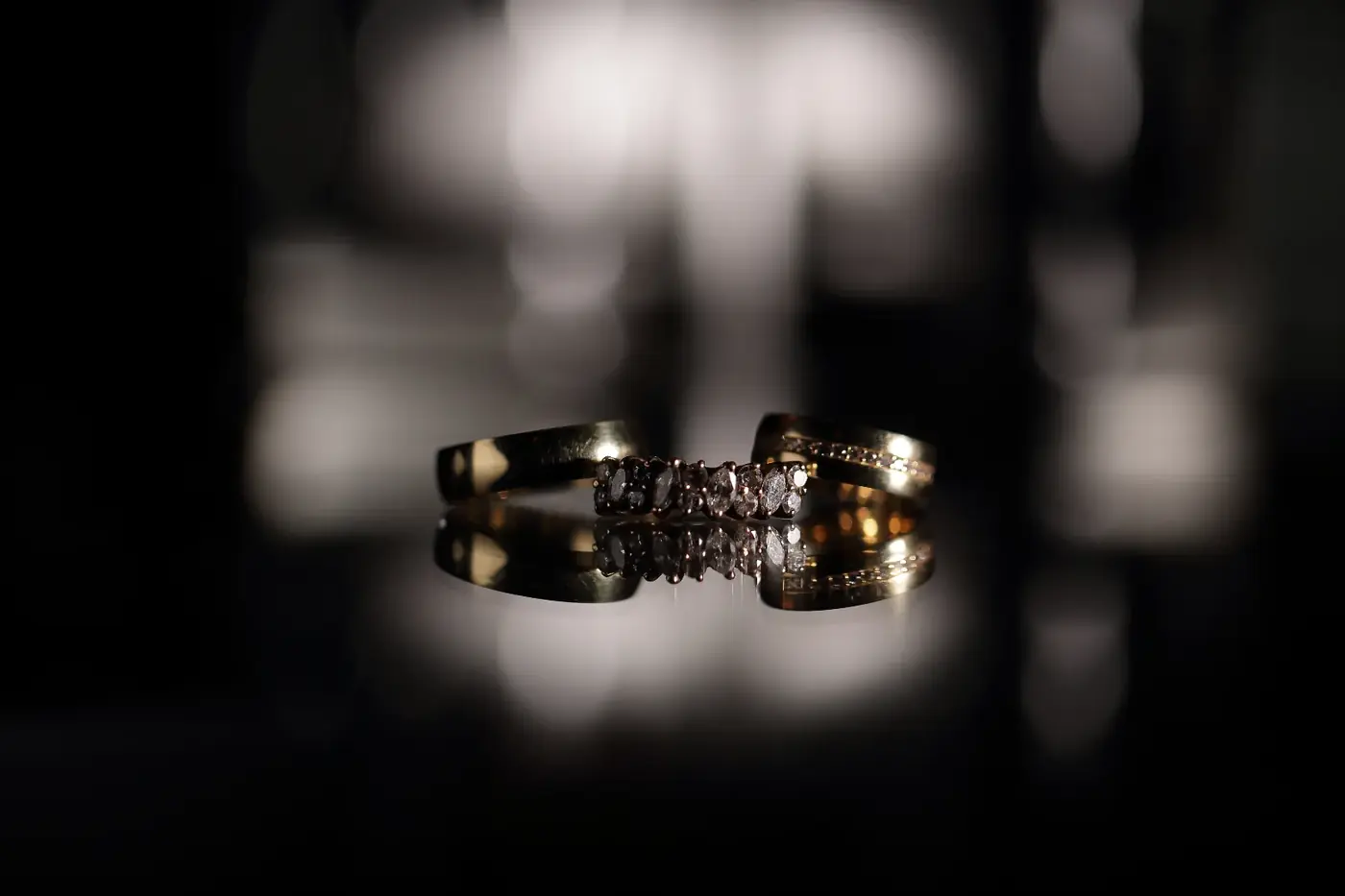
Rhodium plating is a thin, bright white layer applied over white gold. Without it, white gold shows a faint warm tint from its gold content. The plating wears with time and friction, especially on a ring worn daily. Jewellers replate it to restore the white finish, and the interval varies by wear, so there is no single date.
Rhodium plating white gold is a finish, much like the coat on a painted door. It is applied with a bath process and is only a few thousandths of a millimetre thick. That is why it wears.
Sources disagree on how often replating is needed. Estimates run from about once a year to every two or three years, depending on how hard the ring works. Hands in water, soaps and lotions all speed it up.
If you wear white gold, ask us about replating when you buy. We do not list costs or timing here, so ask when you call or visit.
Rhodium is not a repair for damage. It covers colour, not scratches. A worn edge or a loose prong needs jewellery repair, not just a new coat.
Colour, scratches and the way each ring ages
Fresh white gold plated with rhodium looks bright and slightly mirror-like. Platinum looks a touch deeper and greyer. Both scratch with daily wear. On platinum, scratches displace metal rather than remove it, so the surface turns into a soft satin patina that many people like. Either metal can be polished to refresh the look.
The patina on platinum is a matter of taste, and it is part of how a ring becomes yours. Some people enjoy the worn-in look, as with an old leather watch strap. Others polish it back to bright every so often. A patina is simply the soft satin surface that scratches build up.
White gold under worn plating shows a pale, warm tone. Next to a diamond that is a graded colour, the tint can show in the metal. That is one reason many people replate.
Hardness is different from toughness. Both metals suit everyday wear when well made. Prong shape and thickness matter as much as the metal.
Platinum vs white gold wedding band: which suits a daily band?
A wedding band takes more daily knocks than an engagement ring, because it sits lower and works harder. For a platinum vs white gold wedding band decision, platinum offers a heavier feel and no plating to maintain. White gold offers a lower starting cost and an easy match to a white gold ring. Match the metal to the engagement ring.
Matching matters. Two white metals side by side can look different, with one brighter than the other. When both bands come from the same metal and finish, they age together.
If you plan to wear the band every day without a break, think about how the finish will look in five years. Plating wears fastest at the bottom of a band where it meets surfaces.
Browse our men's wedding bands and women's wedding bands for style ideas, and bring your engagement ring so the pair can be compared side by side. Come and try them on together.
Wedding band metals beyond white gold and platinum
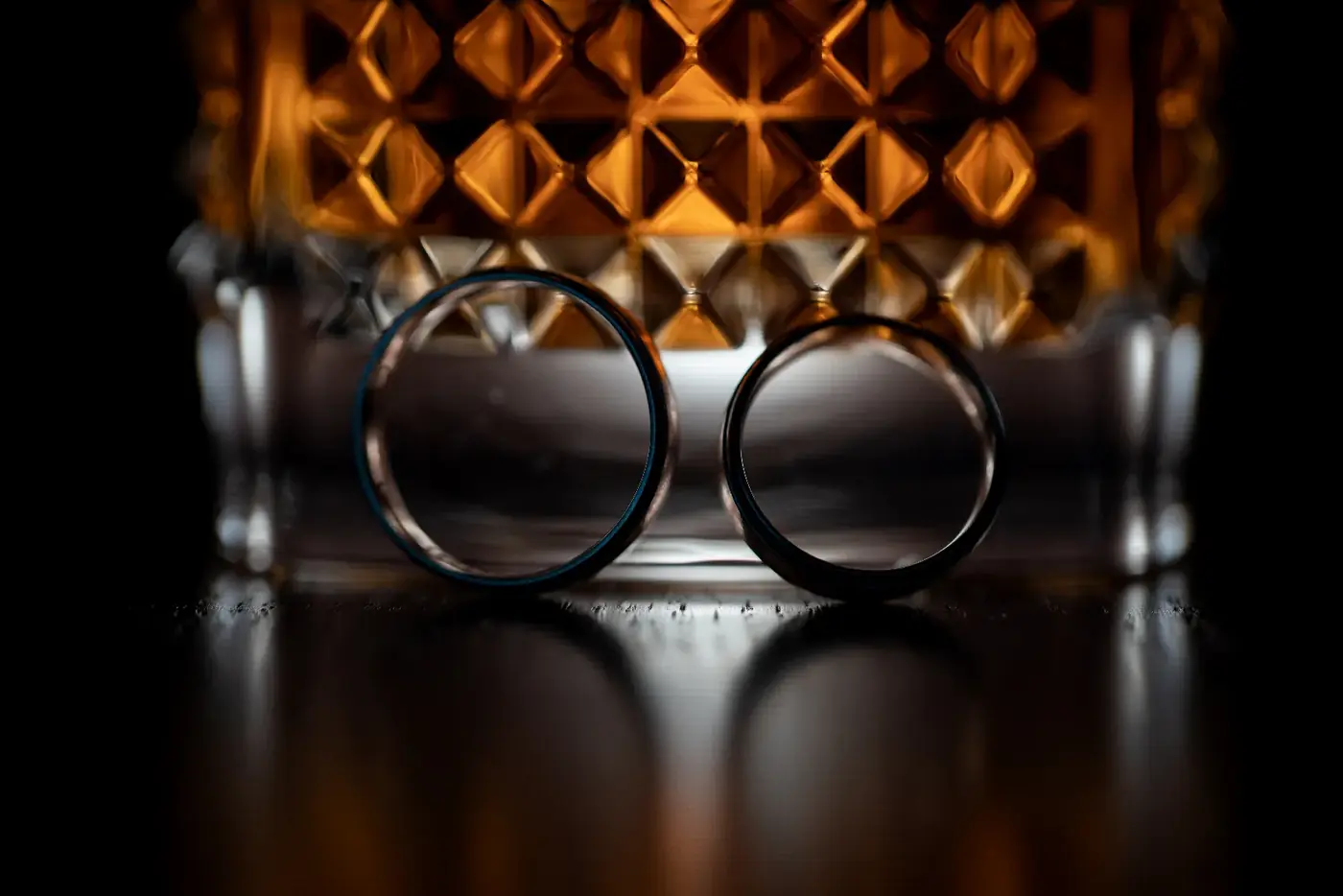
Wedding band metals include yellow gold, rose gold, white gold and platinum, and some people also look at palladium or silver for fashion pieces. Yellow and rose gold need no plating, because their colour is part of the alloy. Each has its own colour, weight and upkeep. Fine silver is soft and suits occasional wear better than daily bands.
Yellow gold is the traditional choice and suits many skin tones. Rose gold carries copper in its alloy, which gives it the pink warmth. Neither needs plating to keep its colour.
Mixing metals is fine. A white gold ring with a yellow gold band, or the reverse, can look intentional when the proportions are right.
Wedding band metals can be mixed across a set. Our wedding bands page shows how metal and width work together.
- Yellow gold: classic warm colour, no plating
- Rose gold: copper in the alloy, pink tone, no plating
- White gold: bright white from rhodium, replating over time
- Platinum: naturally white, heavy, polishes to refresh
Rose gold vs yellow gold: the warm alternatives
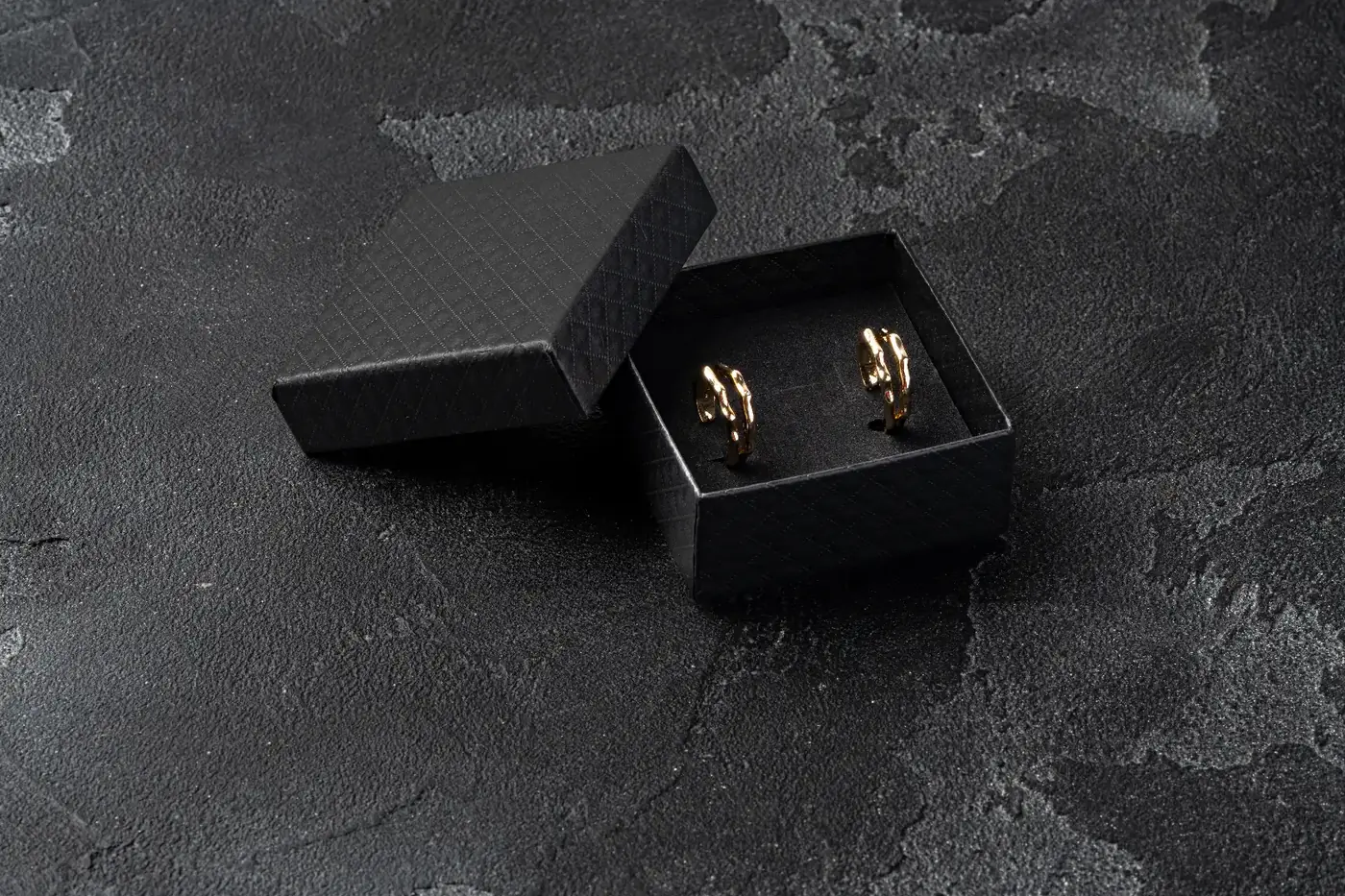
Rose gold vs yellow gold is a question of colour. Yellow gold is the classic warm tone and suits many skin tones. Rose gold gets its pink warmth from copper in the alloy. Neither needs rhodium plating, because the colour runs through the metal. Both come in 10, 14 and 18 karat, and both can be polished.
If white metals feel too cool, the warm golds are the simple answer. They need no plating, so there is no finish to replace. Scratches soften into the overall tone rather than showing a different colour underneath.
Yellow gold looks richer as the karat rises, because a higher gold content means less of the other metals. Rose gold deepens as its copper share increases. Hold both beside your skin before you decide, because you will see that tone every day.
Rose gold vs yellow gold also changes how a diamond looks. Yellow gold can warm a lower-colour diamond, while white metals make a stone read colder. Rose gold adds a soft blush that suits morganite and pale stones.
Our gold jewellery page covers the colours of gold and how they wear.
| Question | Yellow gold | Rose gold |
|---|---|---|
| Colour source | Gold with silver and copper | Gold with a larger share of copper |
| Plating needed | No | No |
| Typical look | Classic, bright warm tone | Soft pink, vintage warmth |
| Pairs with | Most skin tones and stones | Pale stones, vintage designs |
Skin sensitivity and metal allergies
If your skin reacts to jewellery, tell your jeweller before choosing. Some white gold alloys use nickel, a common cause of skin reactions, while platinum is generally described as hypoallergenic. Nickel-free white gold alloys exist. Ask exactly which alloy a piece uses, and have a doctor guide medical questions.
Rhodium plating also forms a barrier between the alloy and the skin. When it wears thin, any nickel underneath can touch the skin.
This is general guidance, not medical advice. If you have a known allergy, confirm the exact metal composition in writing before you order.
Is platinum worth it? A way to decide
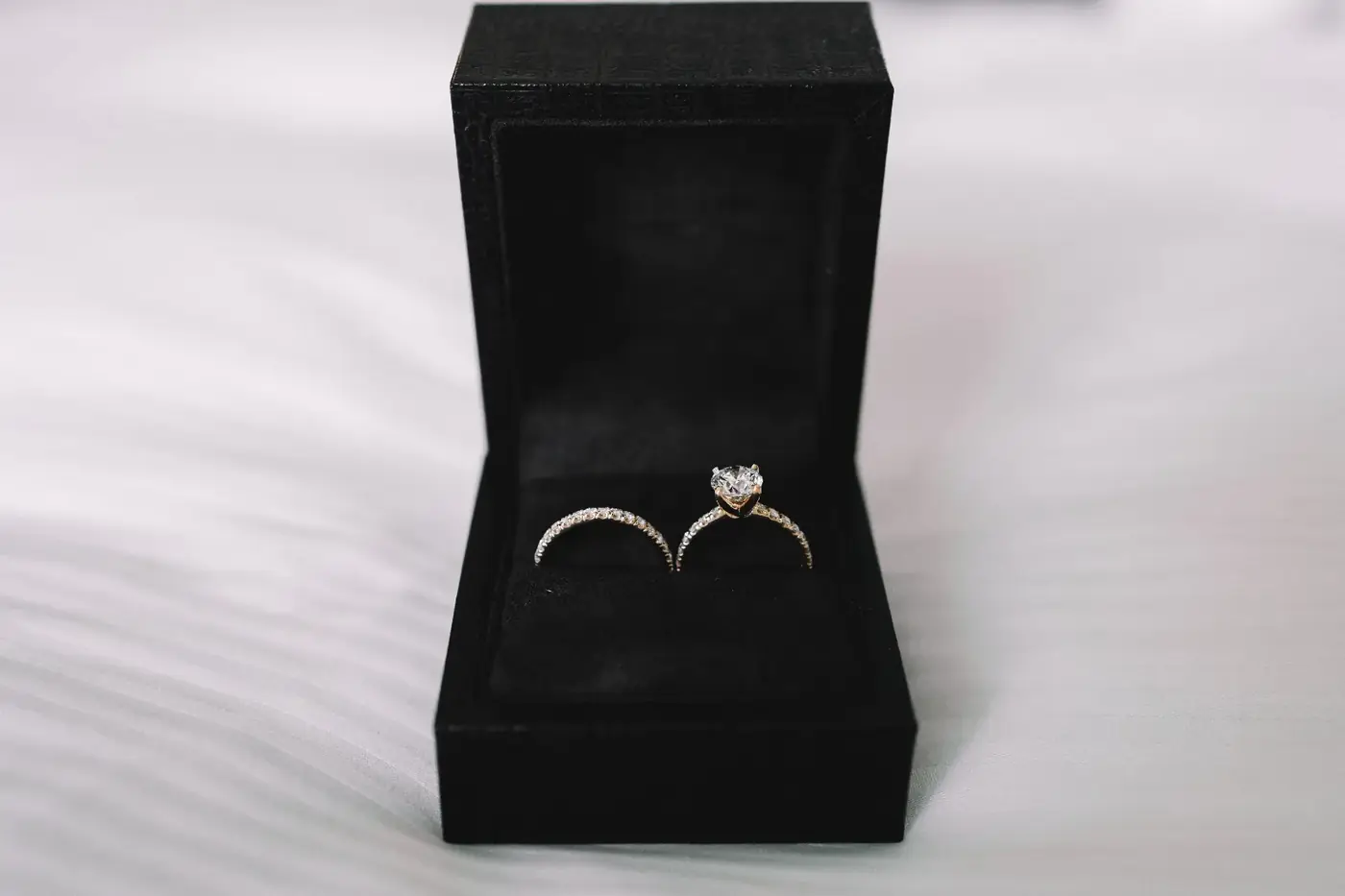
Is platinum worth it? It is if you value a heavy ring, a naturally white metal and no plating to maintain, and your budget allows it. It is less compelling if you prefer a lighter ring, plan to keep costs down, or like the idea of replating. Weigh up-front cost against upkeep over the years you will wear it.
Platinum generally costs more at purchase, and white gold costs less at first but adds replating over the years. The two paths can end up closer than the first price suggests.
Start by asking how you want the ring to feel and look in ten years. Then compare quotes for both metals side by side. We encourage shopping around, and we are glad to explain what drives the difference so you choose where it matters. Call (905) 475-1702 or visit 7800 Woodbine Ave.
If you are designing a ring, try both metals in our engagement ring creator and see how they read next to a stone.
- Choose platinum for weight, a naturally white colour and fewer maintenance visits
- Choose white gold for lower starting cost, a lighter feel and a bright polished look
- Choose either with a plan for checking prongs once in a while
The cheaper ring on day one is not always the cheaper ring after ten years.
Questions, answered
What is the difference between white gold and platinum?
White gold is gold mixed with white metals and usually plated with rhodium for a bright white finish. Platinum is a naturally white metal sold at very high purity. Platinum is heavier and generally costs more, while white gold costs less at first and needs replating over time to keep its colour.
How often does rhodium plating need to be redone?
There is no single date. Sources suggest anywhere from about once a year to every two or three years, depending on how often the ring is worn and what it meets. Hands in water, soap and lotion shorten it. Ask your jeweller to check the finish when the ring looks warmer in colour.
Is platinum worth it for a wedding band?
It can be, if you want a heavy band that stays naturally white and does not need plating. It is less compelling when budget is tight or you prefer a lighter feel. Compare quotes for both metals, and think about how each will look after years of daily wear.
Does platinum scratch?
Yes, platinum scratches like any metal. The difference is that scratches move metal around rather than removing it, so the surface develops a soft satin patina. Some people love that look. Others have the ring polished to bring back the bright finish, and a jeweller can do that.
Is white gold nickel free?
Not always. Some white gold alloys contain nickel, which can bother people with a nickel allergy. Nickel-free white gold exists. Ask which alloy a ring uses and confirm it in writing if you have sensitive skin. Platinum is generally described as hypoallergenic.
Can I mix white gold and platinum in one ring set?
You can, but the two will look slightly different side by side. Platinum has a deeper grey tone and white gold a brighter plated finish. They also age differently. Most people choose one metal for the engagement ring and the wedding band so the pair match over time.
What is the difference between rose gold vs yellow gold?
Rose gold vs yellow gold is mainly about colour. Yellow gold is the classic warm tone. Rose gold gets its pink shade from more copper in the alloy. Neither needs rhodium plating, and both come in the usual karats. Hold each against your skin to see which suits you.
Book a private consultation
Planning white gold vs platinum: choosing your ring metal? A short note is enough to begin. Use the form, call (905) 475-1702, or visit us on Woodbine Avenue in Markham.
7800 Woodbine Ave, Markham, ON L3R 2N7
(905) 475-1702