14K vs 18K gold, and where 10K fits
14K vs 18K gold is a choice between hardness and colour, with 10K as the toughest option. Here is the full comparison and how to pick.
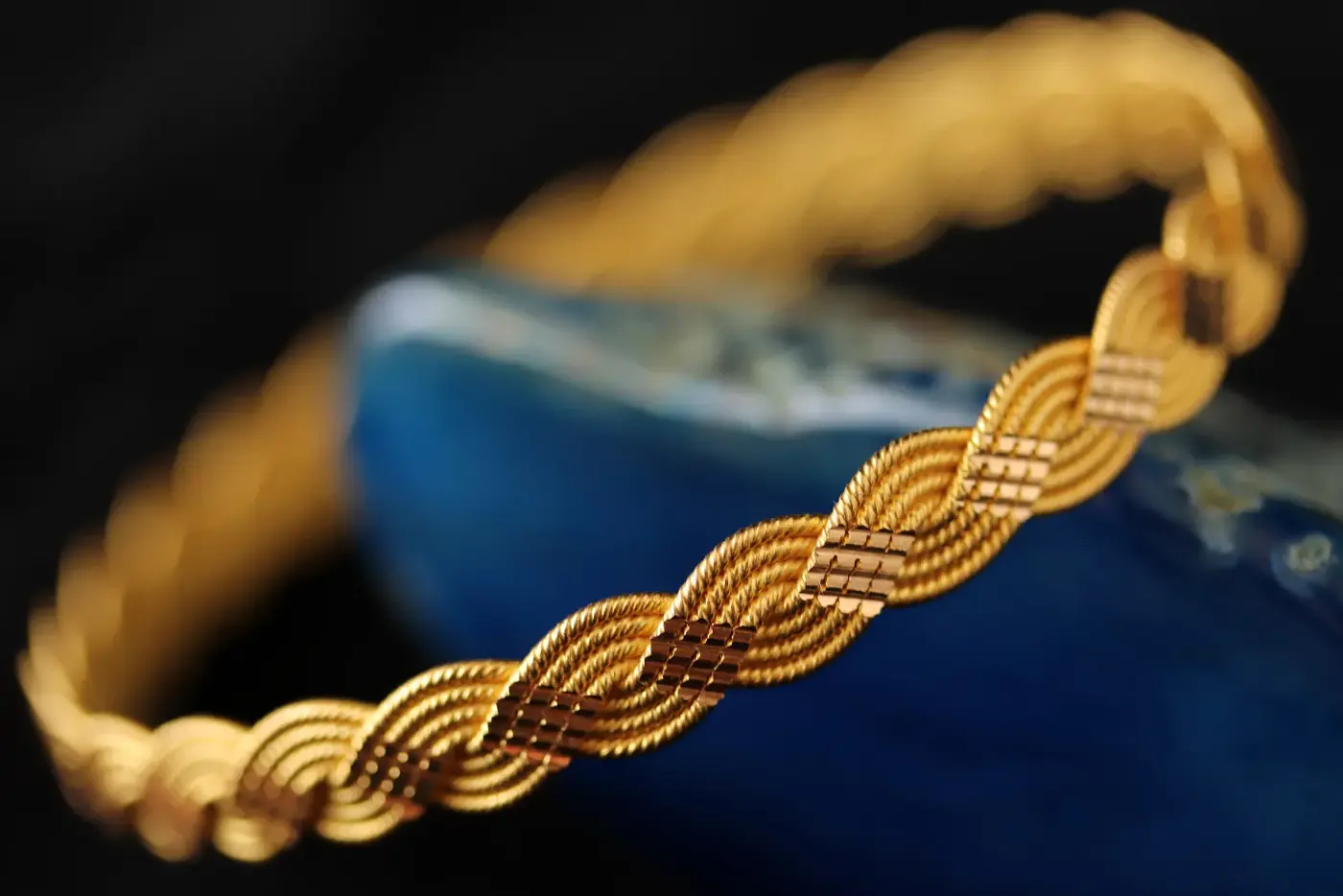
The gold karat chart at a glance
10K gold is about 41.7 percent gold, 14K is about 58.3 percent and 18K is 75 percent. The rest is other metals that add strength and set the colour. More gold means richer colour and a softer metal. Less gold means a harder, paler metal. Neither is fake, and each suits a different piece.
Use this gold karat chart as a map. The sections below take each row apart and tie it to real choices such as an engagement ring or a daily chain.
| Karat | Gold content | Common stamps | Character |
|---|---|---|---|
| 10K | About 41.7 percent | 10K, 417 | Hardest of the three, paler colour |
| 14K | About 58.3 percent | 14K, 585 | Balanced strength and colour |
| 18K | 75 percent | 18K, 750 | Richest colour, softer metal |
| 24K | About 99.9 percent | 24K, 999 | Pure, very soft, rarely used for rings |
Gold purity karats, explained simply
Karat measures gold purity in 24ths. Pure gold is 24 karat. So 18 karat means 18 parts gold out of 24, which is 75 percent. 14 karat is 14 out of 24, and 10 karat is 10 out of 24. Under Canada's marking rules, a gold article marked in karats must be at least 9 karat.
This is a different word from carat, which measures the weight of a diamond. The two are spelled alike in some places, so keep them apart.
Gold purity karats also tell you about price behaviour in general terms. A higher karat contains more gold by weight, so it usually costs more for the same design. Ask for the karat and the weight on the receipt so you can compare pieces fairly.
The Competition Bureau notes that quality marks are voluntary in Canada. If a piece does carry a mark, it must be accurate and follow the Precious Metals Marking Act and Regulations. Our guide to gold jewellery goes further into care and wear. If you want a piece valued on paper, we write jewellery appraisals.
10K gold: hard-wearing and paler
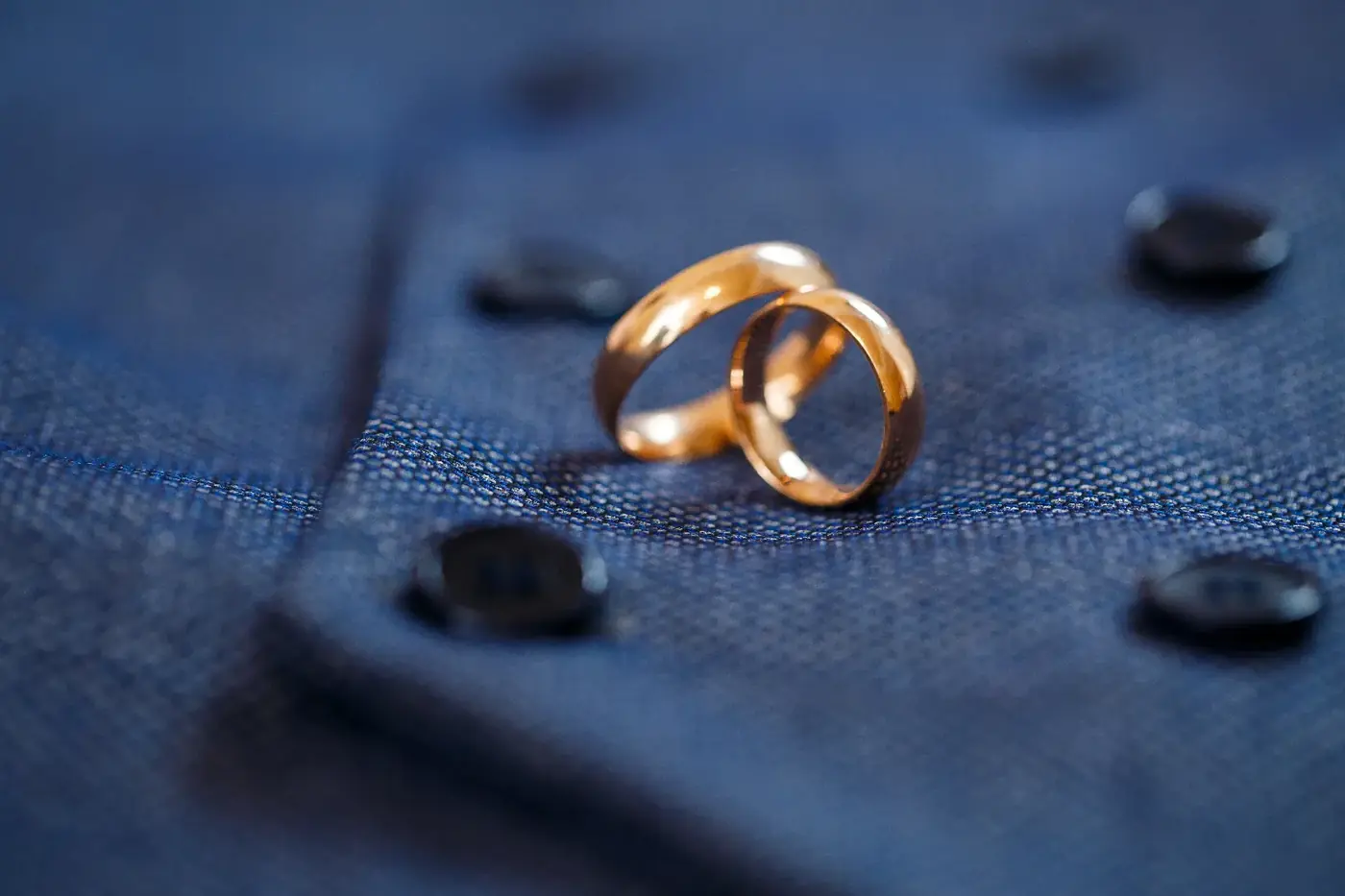
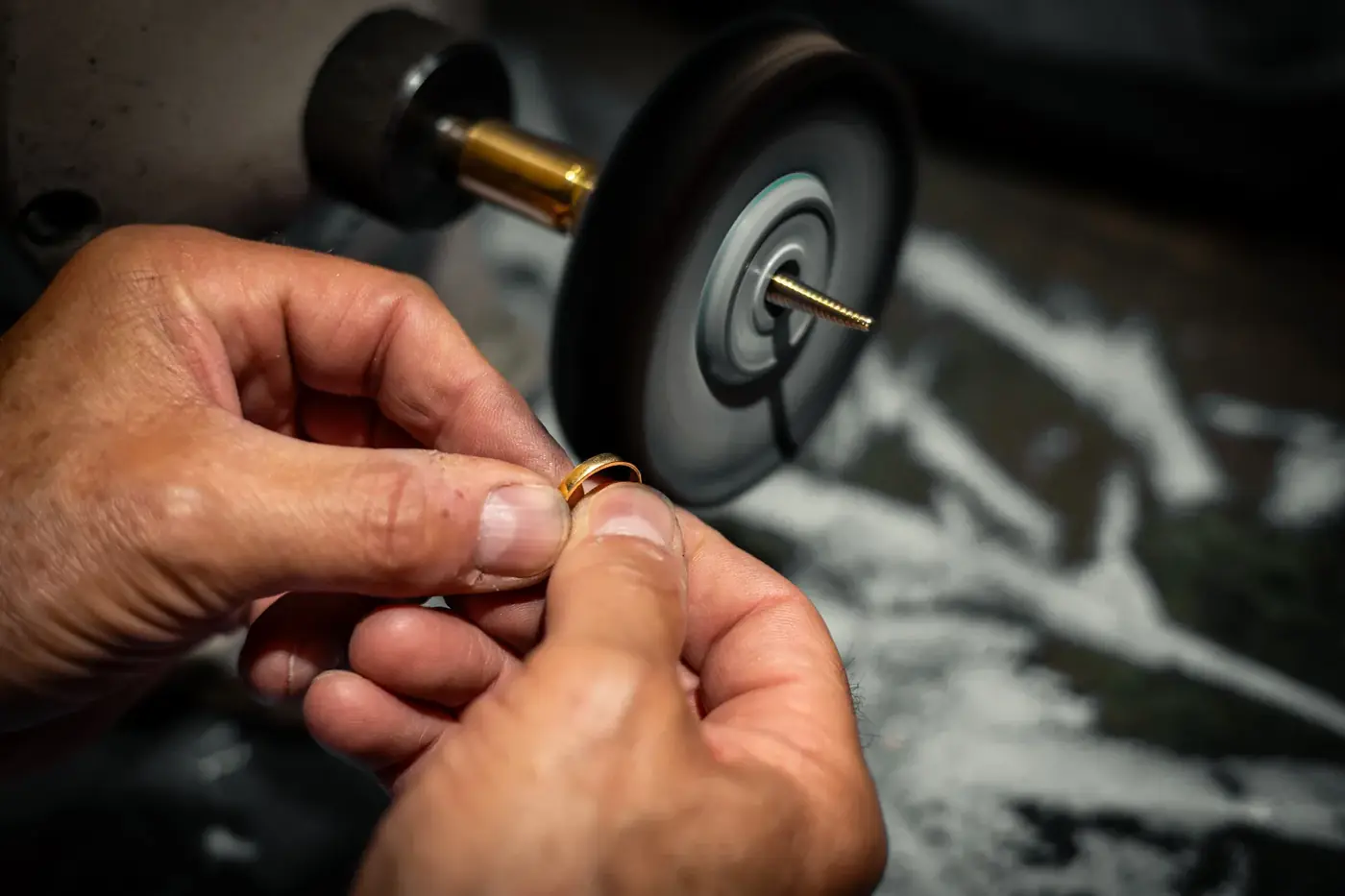
10K gold has the most alloy and the least gold, so it is the hardest and most scratch resistant of the three. Its colour is paler and slightly less warm. It suits work rings, children's jewellery and pieces that take knocks. It is a practical choice, not a lesser one.
Some people notice 10K looks less rich beside 14K or 18K. Others prefer the soft, understated tone, and that preference is worth trusting.
The alloy metals vary between makers. If you have a known metal sensitivity, ask what alloys a piece contains before you buy it, whichever karat you choose.
Because it is hard, 10K holds an edge and a polish well. That makes it a sensible match for a plain band that will see heavy daily use, and it often costs less than a higher karat of the same design.
14K vs 18K gold: the real difference
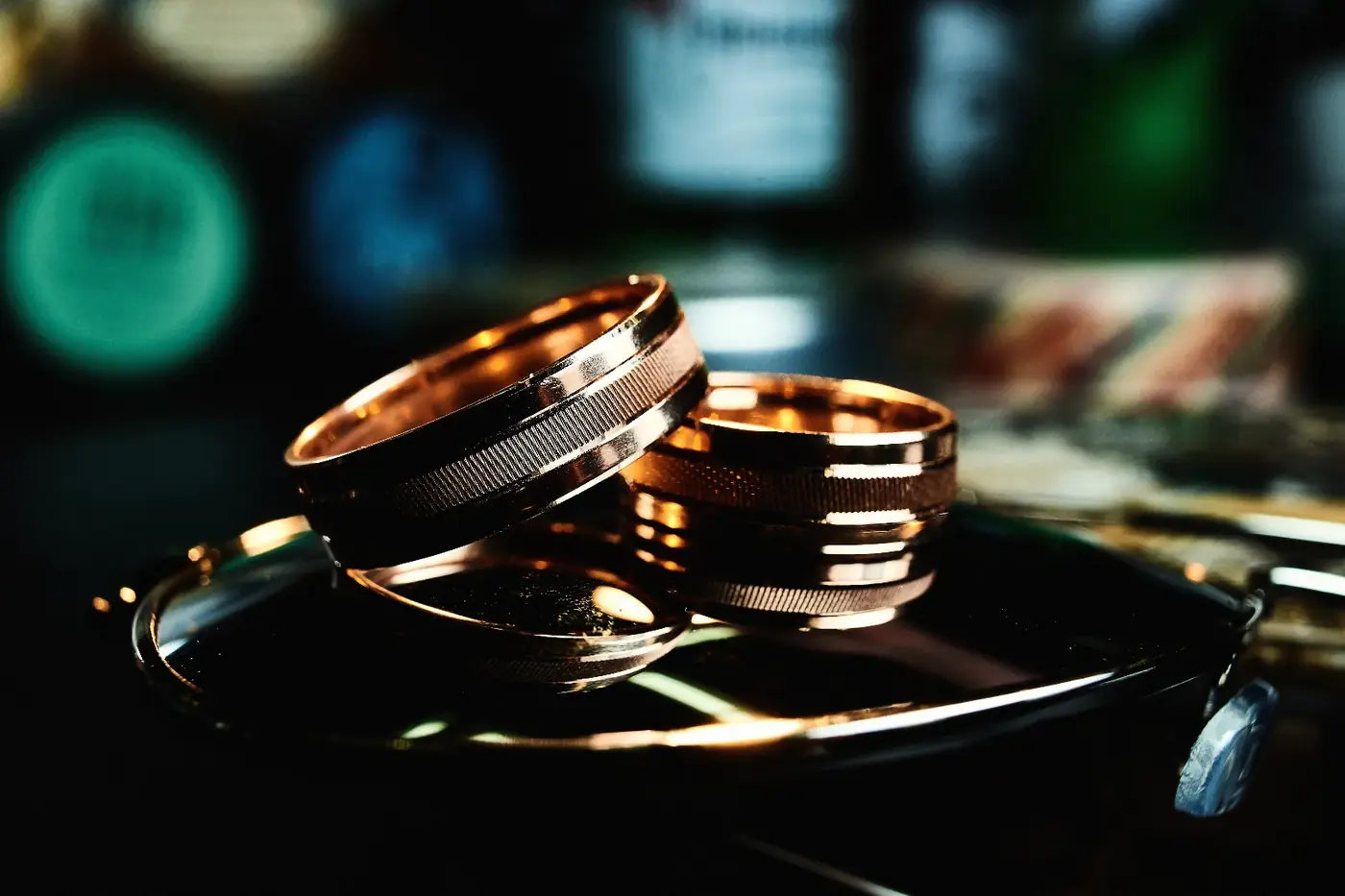
In a 14K vs 18K gold ring, 14K is the harder metal with a slightly lighter colour, and 18K is softer with a deeper, richer tone. Both can last for decades with care. 14K tends to hold its polish better through daily wear. 18K shows the colour of gold more strongly and can mark more easily.
For a ring you will wear every day, 14K is often the practical choice. For a ring worn with care, or when colour is the priority, 18K is hard to beat. The 10k vs 14k vs 18k gold question is really a question of use.
Prong settings are where softness matters most. Softer metal can wear faster at the tips of the prongs, which is why regular checks matter on any ring. Our jewellery repair page covers what repair usually involves.
Ask your jeweller to show both karats side by side. The difference in colour is easy to see in person and hard to judge from a photo, so come and compare them on your own hand.
Weight is another factor. Gold of a higher karat is denser, so an 18K ring of the same size feels slightly heavier in the hand than its 14K twin.
Which gold is best for engagement ring designs?
For most engagement rings, 14K or 18K are the usual choices. 14K offers a good balance of hardness and colour for daily wear. 18K gives richer colour and suits a ring worn with care. 10K is harder still but paler. The best gold is the one that fits how you live and how the stone looks in it.
People ask which gold is best for engagement ring designs more than almost any other metal question. The honest answer starts with how the ring will be worn every day, not with a number.
Think about the stone as well as the metal. White gold flatters a colourless diamond. Yellow and rose gold can make a near colourless stone look whiter by contrast.
A ring takes more wear than a pendant, because the hands do everything. A harder alloy gives the setting more protection, while a richer one gives more colour.
If you are designing a ring, you can compare metals in our 3D ring creator and then talk through the choice with us. Our engagement rings page shows how we start.
- Daily wear and an active job: lean toward 14K
- Special-occasion wear and rich colour: consider 18K
- Tight budget with a hard-wearing need: 10K is an option
- Metal sensitivity: ask about the alloy before you choose
Rose gold vs yellow gold: it is all in the alloy
Rose gold vs yellow gold is a question of colour, not purity. Both can be 10K, 14K or 18K. Yellow gold is gold mixed with metals such as silver and copper. Rose gold carries more copper, which gives the pink tone. The same karat in either colour holds the same amount of gold.
A higher karat shifts the colour. 18K rose gold looks softer and more golden, while 10K rose gold looks stronger and redder, because there is more copper in it.
Rose gold is a good partner for warm skin tones and pairs well with diamonds that have a little warmth. Yellow gold has a classic look and ages gracefully. White gold is the third option, usually finished with a bright coating that can wear and be refreshed.
If you are matching a wedding band to a ring, aim for the same karat and colour so the two wear at the same pace.
Colour also changes as a piece ages. Rose gold keeps its tone for years, and yellow gold stays steady, so neither is a risky choice. The decision is about which tone you want to see on your hand every day.
Matching karat to the piece you are making
Match the karat to the job. Rings and bracelets take the most knocks, so 10K or 14K suits them. Pendants and earrings sit away from impact, so 18K works well. Pieces set with stones need a metal that holds prongs firmly. When in doubt, ask your jeweller how each karat will wear.
Think of karat as a tool. A harder alloy protects a setting, and a richer alloy carries colour. Chains sit between the two, because links flex and rub. The gold chain types guide shows how style affects wear.
If you are planning a custom piece, tell the jeweller how often you will wear it and what you do with your hands. That detail changes the advice more than any chart. Our custom jewellery page describes how we start.
The same logic applies to a wedding band that will sit beside an engagement ring. Choose a karat that will wear at the same pace as the ring. For bracelets, see our gold bracelets page.
Caring for gold at any karat
All gold benefits from simple care. Clean it gently with mild soap and a soft brush. Store pieces apart so they do not scratch each other, and take rings off for heavy work. Have settings checked from time to time. Softer, higher karat gold marks more easily, and harder gold keeps its polish longer.
Chlorine and strong cleaners can harm alloys, so keep jewellery out of pools and out of cleaning products. Rinse and dry soft pieces before you put them away.
Gold scratches, and that is normal. A light polish by a jeweller often brings the surface back. Our jewellery repair work covers this, and we resize rings too. Ask us anything, call (905) 475-1702 or visit 7800 Woodbine Ave.
Store each piece in its own soft pouch or lined box, and keep chains fastened so they do not knot. A few minutes of care each week keeps a piece looking its best for years, and ready to hand down.
Chains deserve the same care. See our gold chains and gold necklaces pages for what suits daily wear.
Questions, answered
What is the difference between 10K, 14K and 18K gold?
The difference is gold content. 10K is about 41.7 percent gold, 14K is about 58.3 percent and 18K is 75 percent, with other metals making up the rest. More gold gives a richer colour and a softer metal. Less gold gives a harder, paler metal. All three are real gold and suit different uses.
Is 14K or 18K gold better for a ring?
14K is often better for daily wear because it is harder and keeps its polish longer. 18K is better when you want deeper colour and will wear the ring with care. Both are good choices, and the right one depends on your lifestyle. Ask to see both in person, since the colour difference is easier to judge by eye.
Is 10K gold real gold?
Yes. 10K gold is real gold, about 41.7 percent pure, mixed with other metals. In Canada a gold article marked in karats must be at least 9 karat. It is harder and paler than 14K or 18K. It is a sound choice for tough use, though some people with metal sensitivities react more to its alloys.
Which gold is best for an engagement ring?
14K and 18K are the most common choices. 14K suits everyday wear with a good balance of hardness and colour. 18K suits a richer look and careful wear. The best choice also depends on the stone and how it looks in the metal, so compare options in person or in our 3D ring creator before you decide.
Does rose gold have less gold than yellow gold?
No. At the same karat, rose gold and yellow gold contain the same amount of gold. Only the alloy metals differ. Rose gold carries more copper, which gives it the pink tone. A 14K rose gold ring is 58.3 percent gold, exactly like a 14K yellow gold ring, just with a different mix of the rest.
Does a higher karat mean better gold?
Not always. A higher karat means more gold and a softer metal, which suits some pieces and not others. A lower karat is harder and can wear better in a ring that takes daily knocks. Better means the right fit for your use, colour preference and budget. Ask for the karat to be named clearly on your receipt.
What does a gold karat chart show?
A gold karat chart lists each karat with its gold content, usually as a percentage and a stamp number. For example, 10K is about 41.7 percent (417), 14K is about 58.3 percent (585), 18K is 75 percent (750) and 24K is about 99.9 percent. Use it to read gold karat markings and compare pieces fairly.
Book a private consultation
Bring your idea for 14k vs 18k gold, and where 10k fits to the counter at 7800 Woodbine Ave, call (905) 475-1702, or start here and we will reply the same business day.
7800 Woodbine Ave, Markham, ON L3R 2N7
(905) 475-1702